
Cowra is located on the Lachlan River in the central tablelands of NSW, and is about 300 km from Sydney. It is a thriving farming district, and is known for superb local food and wine. It is also renowned for the Japanese Prisoner of War breakout during World War II. Cowra has a population of about 8100 and the Wiradjuri are the First Peoples and Traditional Custodians of the lands and waters of the area. Cowra means rock in Wiradjuri, and the area is known for its rocky outcrops and boulders.
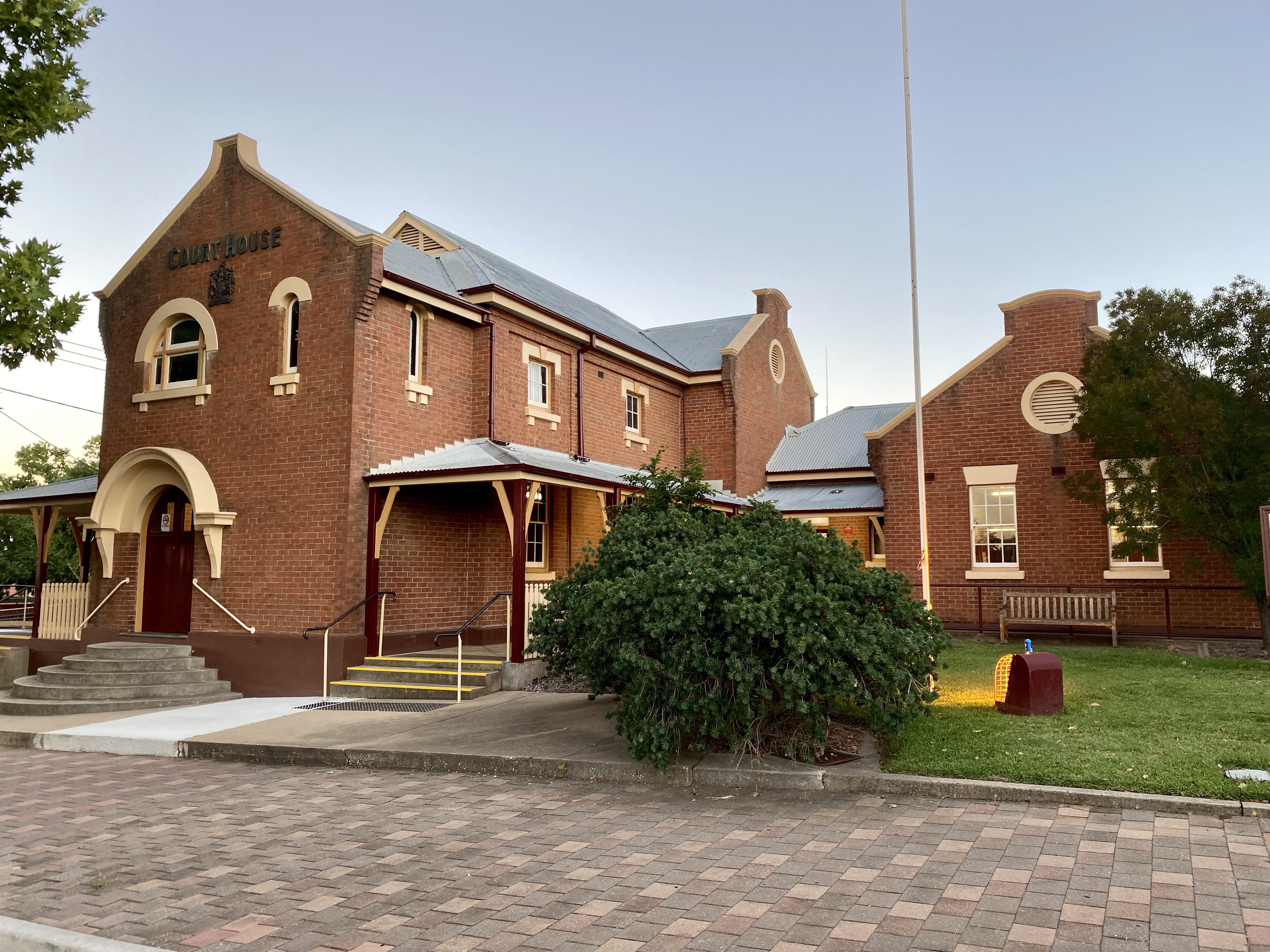
The village of Cowra was proclaimed in 1849, and the townsite was originally a river crossing known as ‘Coura Rocks’. During the gold rushes in the 1850s, the river crossing was used by prospectors heading for Lambing Flat (Young) and Grenfell. One of the buildings on the town’s heritage walk is the Cowra Courthouse. It was opened in 1880, and was designed by NSW Colonial Architect James Barnet. There were substantial additions designed by Walter Liberty Vernon in 1909.

The railway arrived in Cowra in 1887 after local lobbying for rail services in the district. The railway station initially had a small depot, but increased use and demand resulted in the construction of the Cowra Locomotive Depot between 1921 and 1924. This is now part of the Lachlan Valley Railway, which is a rail preservation society. It has been open for nearly 50 years, and operates regular heritage rail tours across the state using former government railways locomotives and rolling stock. It is run by volunteers, and you can see a selection of the restored fleet here. There are self-guided tours available of the heritage rail depot, which includes the roundhouse shown above.

On the outskirts of town is the site of the Cowra Prisoner of War camp, built in 1941-2. The camp is particularly associated with Japanese Prisoners of War (POW), but there were also large numbers of Italian and Javanese prisoners, along with other nationalities. There is a short film providing a history of the camp and the breakout here, along with the establishment of the Cowra War Cemetery. On 5 August 1944, a mass breakout was staged by over 1000 Japanese POW. Over 300 escaped and all were eventually recaptured. 231 Japanese POW lost their lives, and 4 Australians also died during the breakout. The original foundations of the camp remain, along with a replica guard tower, photo displays and signage.
Source: Aussie Towns websiteThe public identity of the town has been changed and enriched by the Cowra breakout of 1944 (in which 378 Japanese prisoners of war attempted to escape from a local camp) and the subsequent developing and deep associations with Japan. This dramatic trauma in the history of the district has led the town to focus on and promote the values of pacifism and internationalism. The Japanese Garden, the Japanese cemetery, the Sakura Walk at cherry blossom time, the remnants of the POW camp and the World Peace Bell are all reminders of the town’s importance both during the war and after the war as a benchmark of healing and reconciliation.
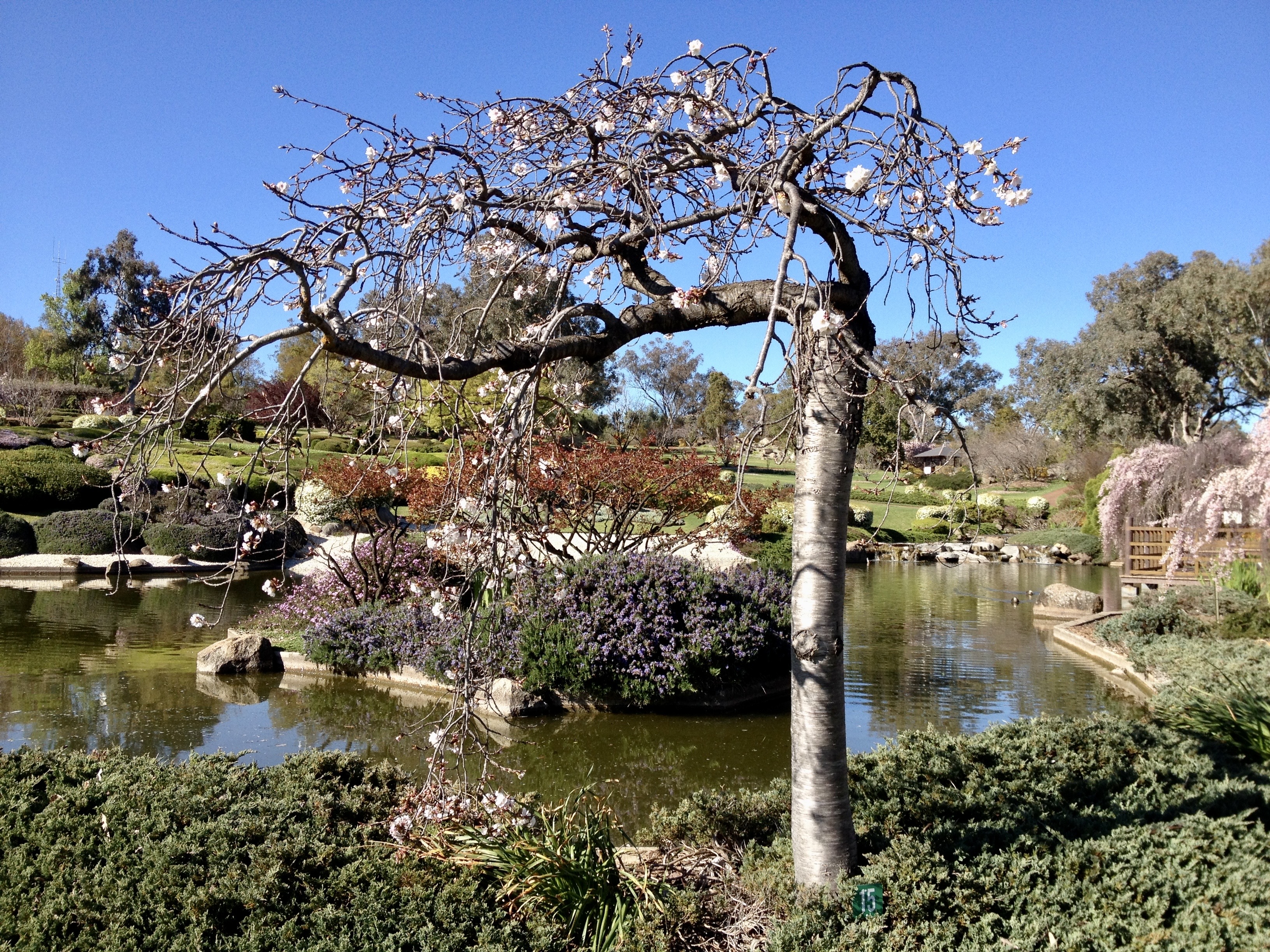
One of the locations for reflection is the Cowra Japanese Garden and Cultural Centre. The garden was opened in 1979 and incorporates a cultural centre, traditional teahouse, pottery and bonsai house. Its aims include advancing the cultural relations between the people of Cowra and Japan. Located on 5 hectares, it is the largest in the Southern Hemisphere and is a beautiful and tranquil place to explore. You can find out more about the Cowra Japanese Garden and Cultural Centre on the National Trust page here.
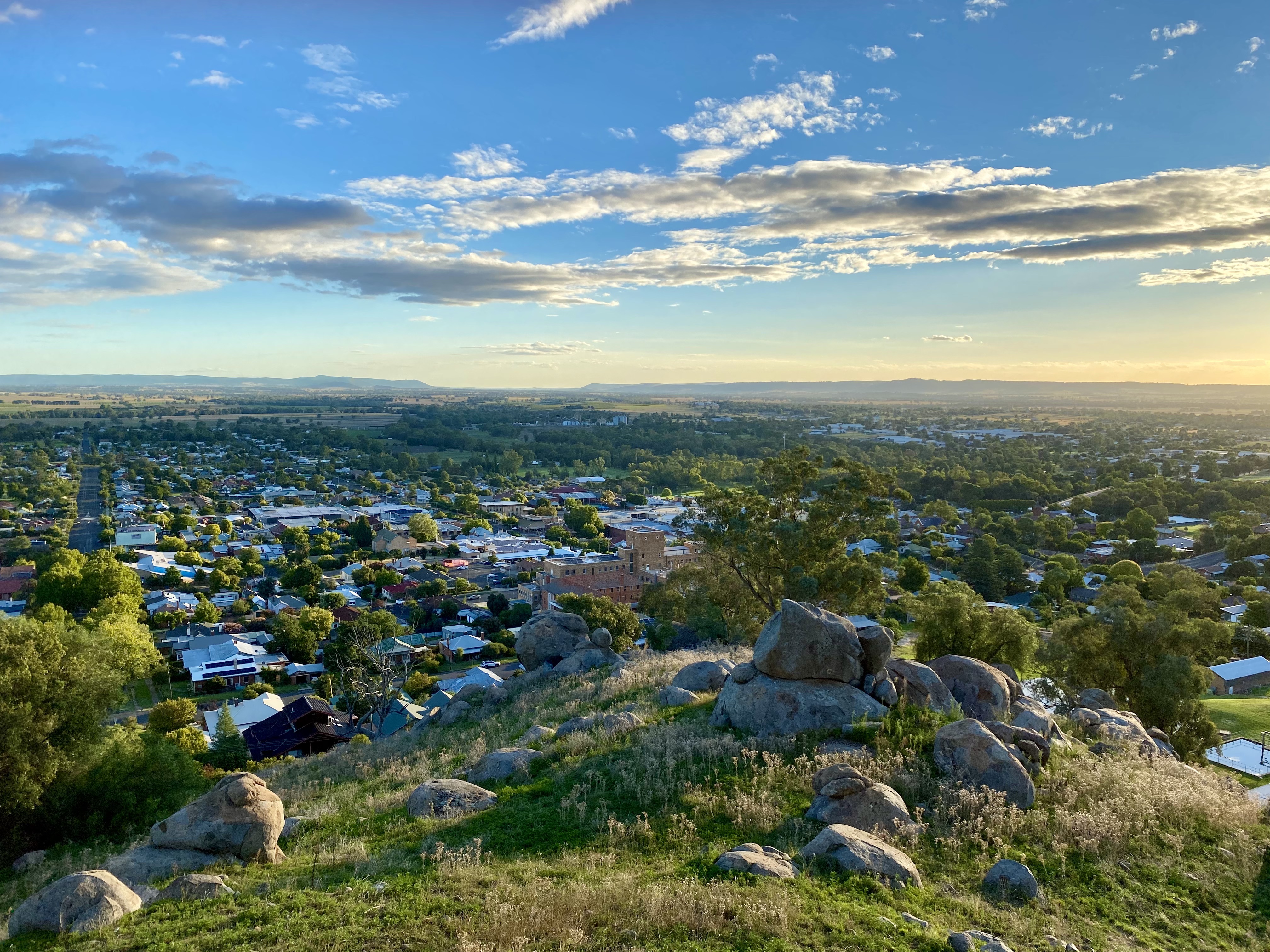
It is worth the drive or climb to see the view from Billy Goat (Bellevue) Hill. From the top of the rocky ascent, Cowra is laid out and there are places to sit and enjoy the panoramic vistas of the Lachlan Valley. Goats were kept on the rocky terrain over the years, and you can hear stories of growing up in Cowra, and of the goats that roamed on Billy Goat Hill here. More of what Cowra has to offer can be seen on the Two Minute Postcard site.
Have you taken the time to explore Cowra?
Photo: Cowra Japanese Garden and Cultural Centre


 jml297
Leave a comment