Earlier this year I had some time in the south coast town of Moruya. It is located 305 km south of Sydney on the Moruya River, about 8 kilometres inland from Moruya Heads. The Yuin Nation are the First Peoples and Traditional Custodians of the lands and waters of the area. The town was gazetted in 1851, with Moruya as an anglicised version of ‘Mherroyah’, believed to mean the resting place of black swans.
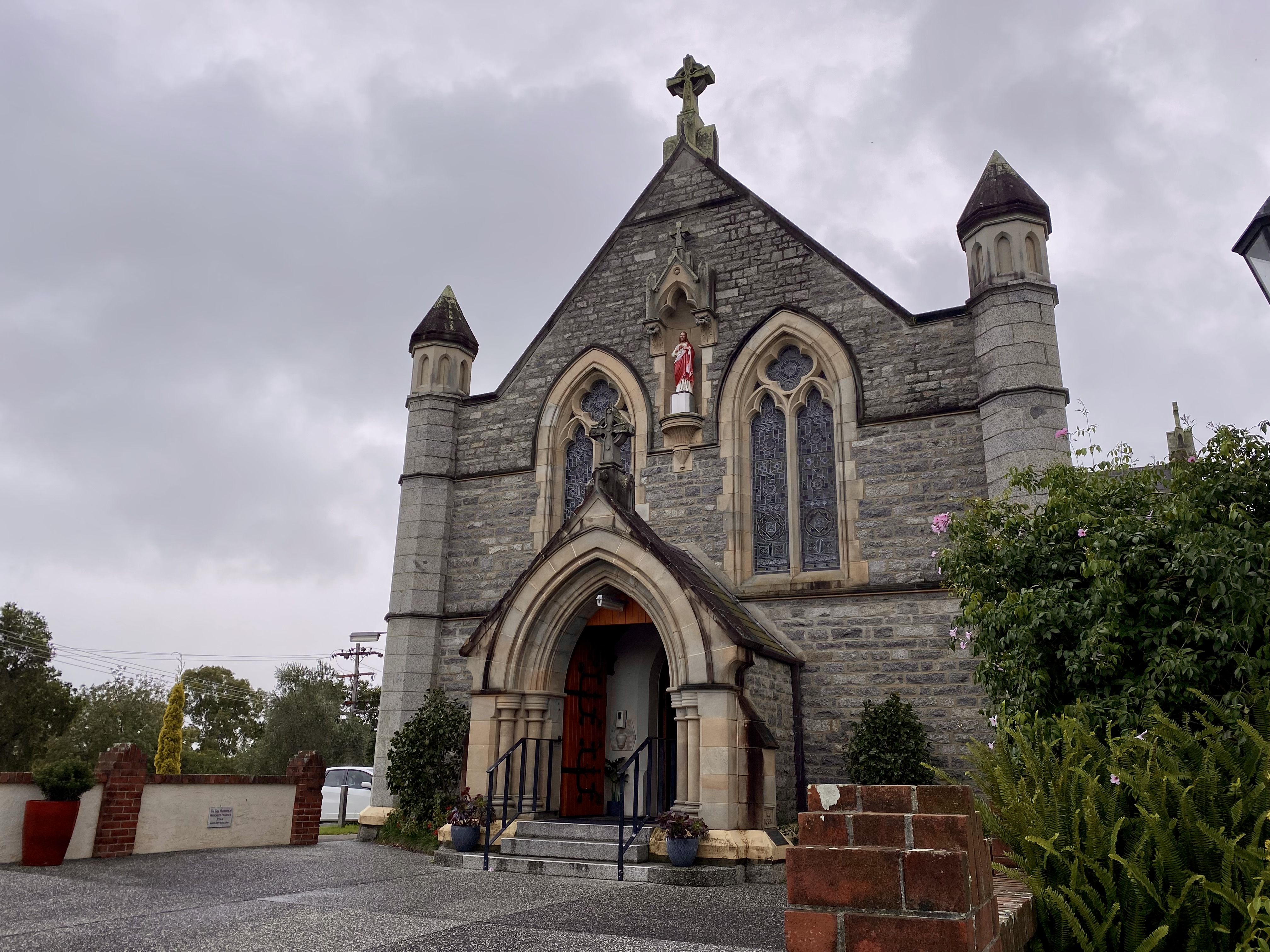
Moruya is often associated with granite, which has been used in the construction of many landmarks. There is a link here to a story about the importance of the stone, and it was used extensively in local buildings as well. The Sacred Heart Catholic Church is one example, with building completed in 1889. The quarrying of local granite dates back to the 1860s. In the late 1920s and early 1930s, the quarry had its own village. It was called Granite Town, and was built by Dorman, Long & Co to supply material for the Sydney Harbour Bridge.
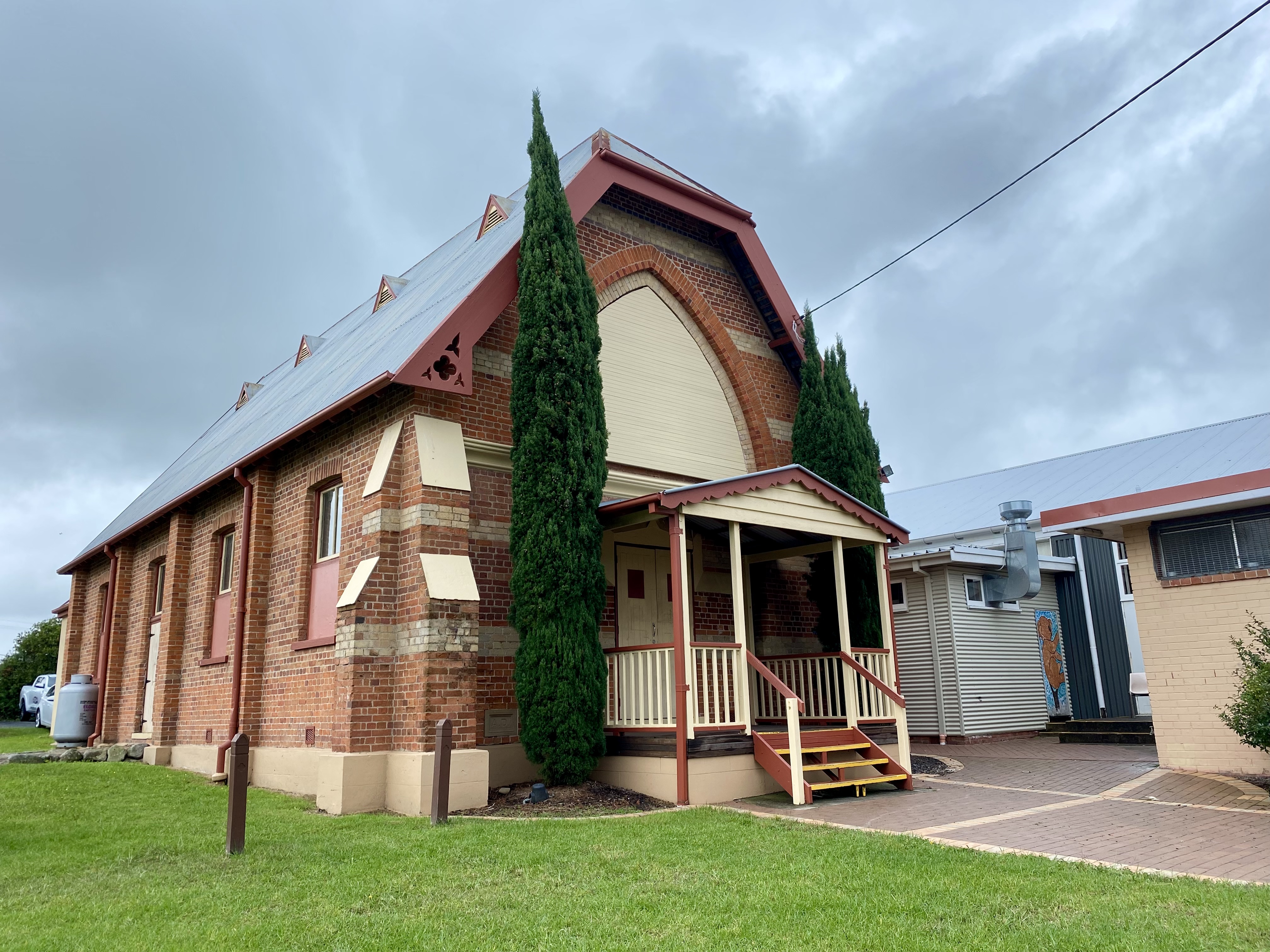
Mechanics’ Institutes, or School of Arts buildings, were a common feature in many towns and cities. They provided a range of functions, including technical courses, reading rooms, libraries, classes and lectures, as well as a venue for social activities. The Mechanics’ Institute in Moruya is still an important cultural centre, and was built in 1881 to the design of a local teacher and architect, Reginald Heber Barlow.

Now a private residence offering boutique accommodation, the Moruya Post & Telegraph Office was built in 1887 to a design by the Colonial Architect, James Barnet. There is a great photo of the Post & Telegraph Office in its heyday here. The size and design of the building is a reflection of both the importance of postal services and of the town at the time. The Telegraph Office was added in the 1920s.

The Court House was also designed by the Colonial Architects Office under Barnet, with construction completed during 1879-1880. It is still in use today, and is located in Vulcan Street. This is the main commercial street in Moruya, and there are several old banks and business premises which have been repurposed over the decades.

The Hotel Monarch, built in 1939, is an example of the Art Deco style. It replaced the Commercial Hotel, which had been on the site since the 1860s. The wooden sculpture of dolphins in the front left of the photo is one of several wood carvings located around the town. These were created by Bryan Carrick from eucalyptus trees, with intricate designs formed using a mallet and chisel.
Moruya has a rich heritage and was a delight to wander around. You can find out more about local attractions here, and there is more information on the history of the town available on the Moruya and District Historical Society page.
Photo: Moruya River, Moruya
 jml297
Leave a comment