
Psophodes olivaceus (from psophodes, “noisy bird”, and olivaceus, “olive”)
Known for being shy and swift, Eastern Whipbirds have distinctive calls which epitomise the Australian bush. The whip crack call is made by the male, then answered and completed by the female. I have spent many moments standing still, eyes scanning the bush for the birds that make these calls, and if lucky, have glimpsed one or two in the scrub.

A visit to Blackbutt Reserve at Kotara, near Newcastle, changed that. In the main bird aviary there were dozens of different birds. Through the noise of parrots, lorikeets and pigeons, the clear call of the whipbird could be heard. On the day I visited, there was a pair of whipbirds within the free-flight aviary, and at least another pair outside of it.

Eastern whipbirds are found along the eastern coast of Australia, from North Queensland to Victoria. They inhabit coastal forests, rainforests, and areas of dense scrub, and are territorial.

I have heard them in my neighbourhood, and spotted one or two in the area over the years. But a few weeks ago I looked out my kitchen window and spotted an immature whipbird. It has returned several times, often in the company of a mixed flock of other birds such as fairy wrens, scrub wrens or eastern spinebills.
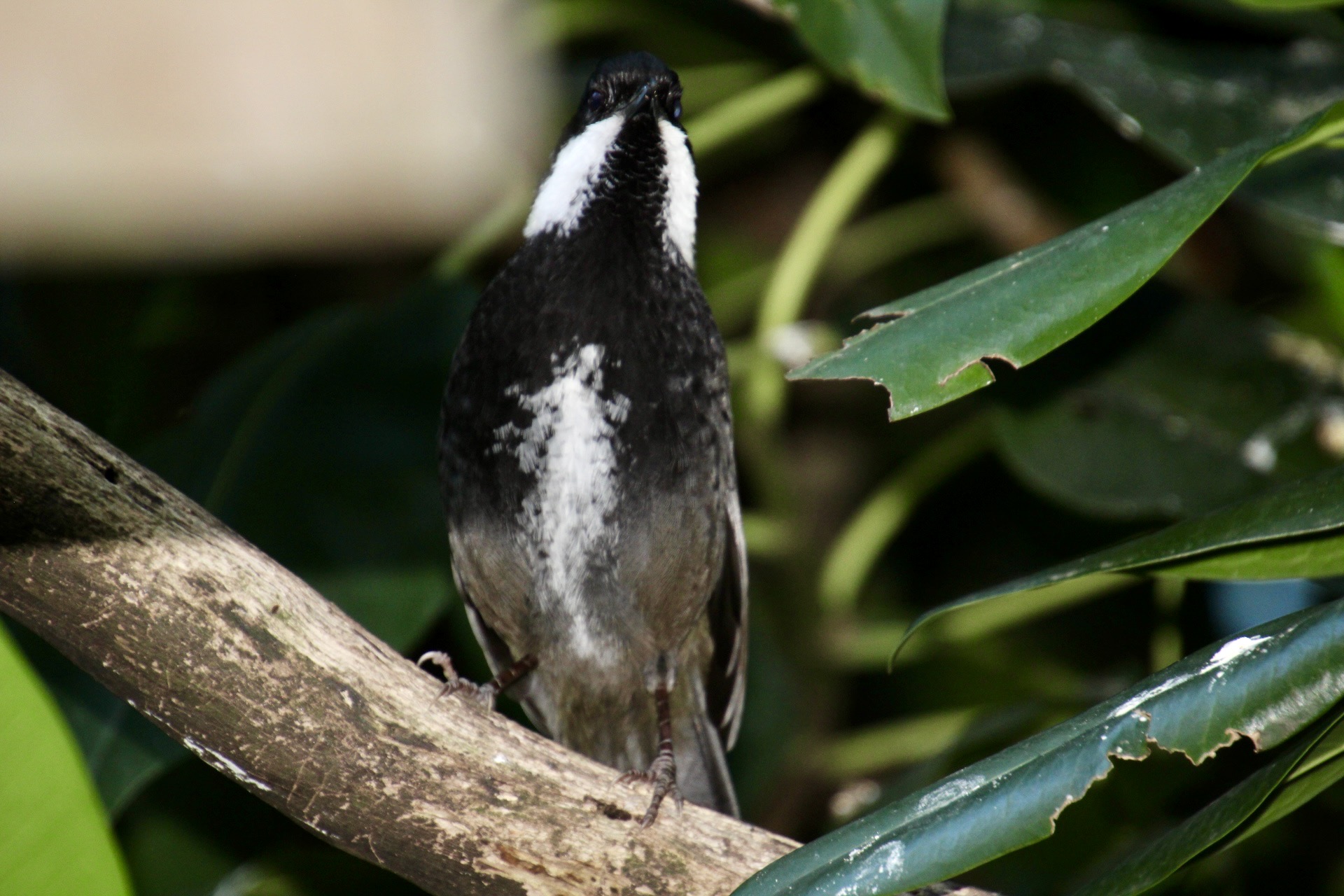
Younger birds have duller colouring, and are yet to have the white cheek stripe and crest of mature birds. Whipbirds are solitary and territorial, more likely to be spotted moving quietly or dashing through undergrowth. They search for insects and larvae, turning over leaf litter searching for prey. They are wary birds, more typically heard than seen, but are curious too.
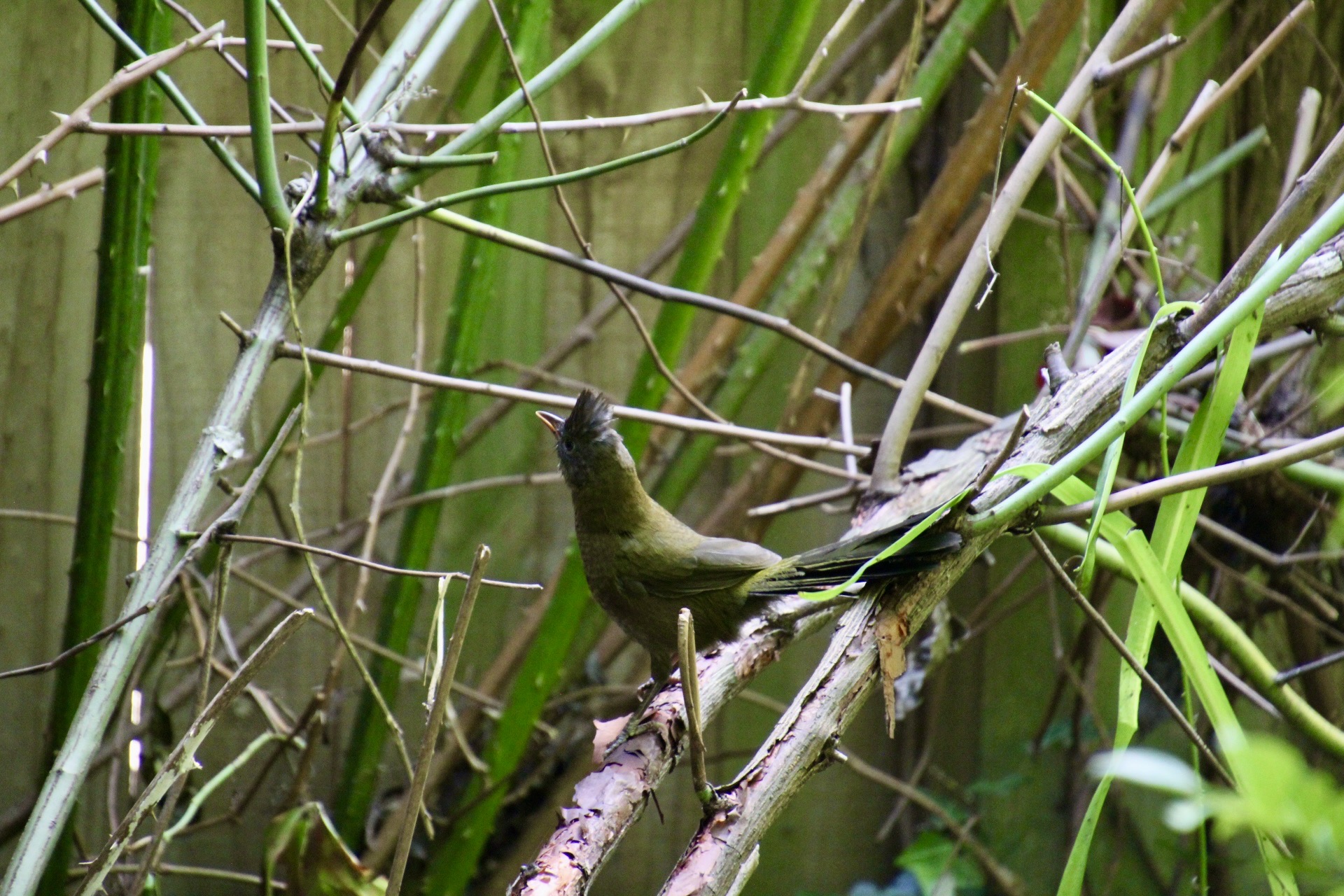
It’s been lovely to have a whipbird visit the garden. You can learn more about them here, including that remarkable whipbird call.
Have you come across a whipbird?
Photo: an immature Eastern Whipbird


 jml297
Leave a comment