
Cormobates leucophaea (from kormos, “tree-trunk or log”, bates, “walker”, and leukos, “white”, phaios “dusky”)
A diligent and shy visitor to my garden is the White-throated Treecreeper. They are usually heard more than seen, with their distinctive one-note whistle filling the air as they wend their way up tree trunks searching for food.

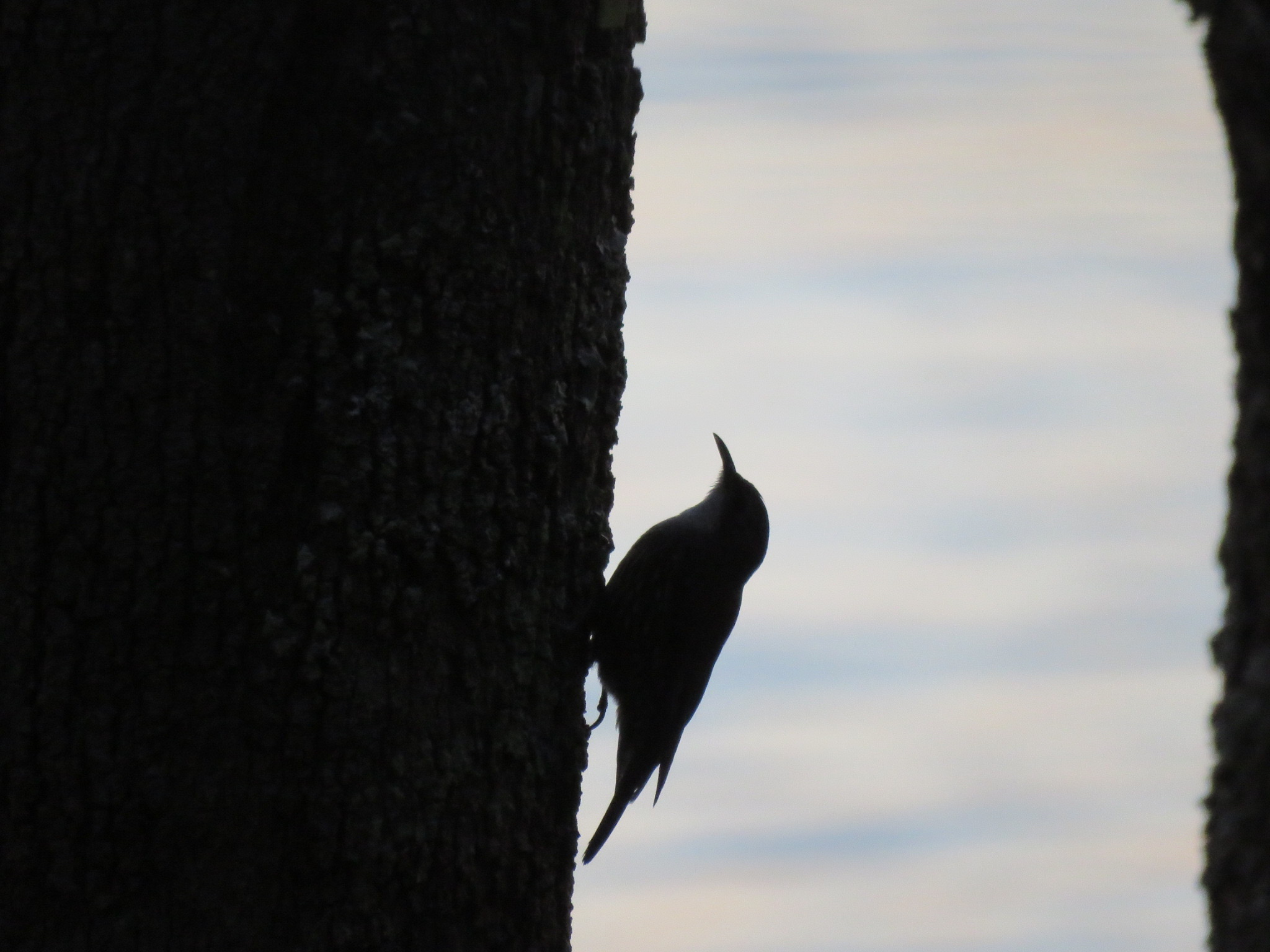
These birds are intriguing to watch as they ascend tree trunks in a spiralling loop. They start near the base of the tree and work their way upwards, methodically seeking grubs and bugs — especially ants — from fissures in the bark as they climb. They whistle as they go, circumnavigating a tree before flying to the next one.
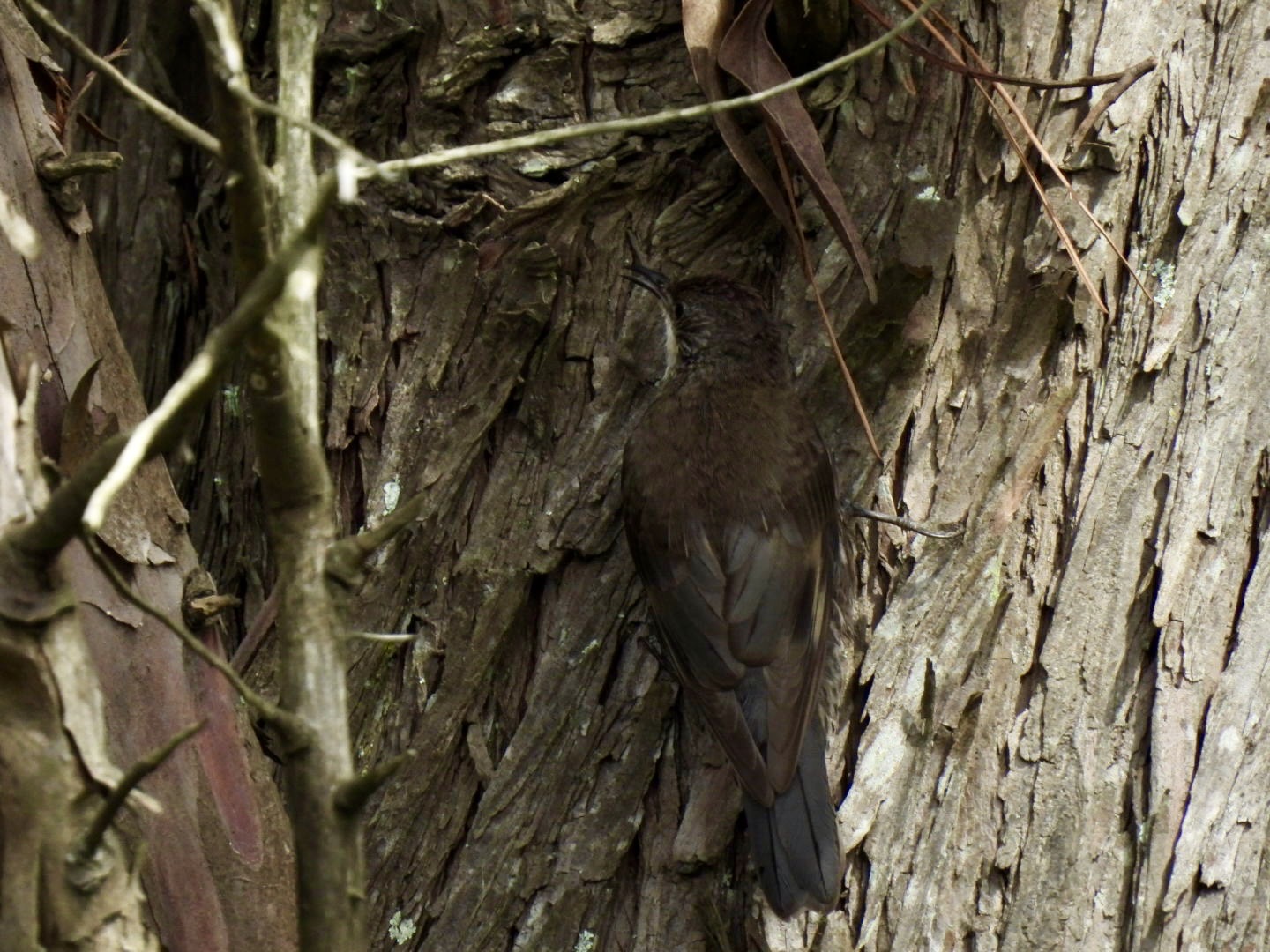
With their grey-brown colouring, they are often camouflaged against the bark. They have a white throat patch, which fades into a cream underbelly. Female birds have a small orange or chestnut patch on their cheek; juvenile females have a ginger-red rump.
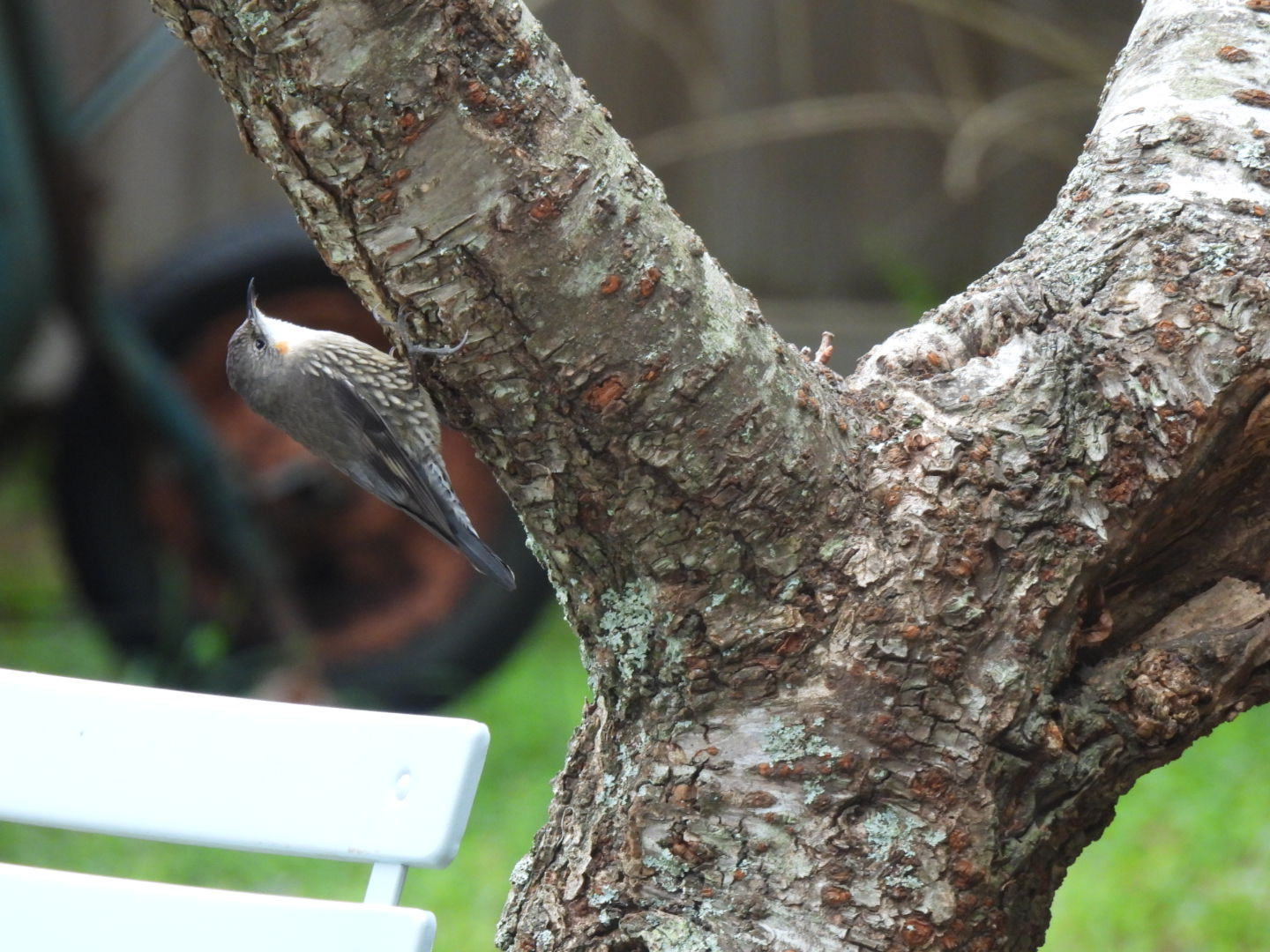
There are several species of treecreeper in Australia; the white-throated is the only treecreeper without a discernible eyebrow. They have large feet to scale trees quickly. The white-throated treecreeper can be found along the eastern coast, from Queensland to South Australia. They prefer larger, native trees, and can be found in bush reserves, rainforest, and eucalyptus scrub.

These birds tend to be solitary in their search for food. I’ve usually encountered them when small mixed flocks come along to check out the garden. The one-note piping call is a sign that one is nearby, though spotting them is sometimes a challenge.
You can find out more about this bird here. Have you come across a treecreeper in your travels?
Photo: White-throated treecreeper at Mount Tomah Botanical Gardens, NSW



 jml297
Leave a comment