
Rydal is a small village located about 155 km west of Sydney. The Wiradjuri are the First Peoples and Traditional Custodians of the lands and waters of the area. Major Mitchell surveyed the locality in 1832, and noted that the crossing of Solitary Creek would be a good location for a town. The village was known by this name until Governor Gipps selected and approved the name of Rydal in 1843. This was taken from Rydal in the Lake District, England, home of poet William Wordsworth.
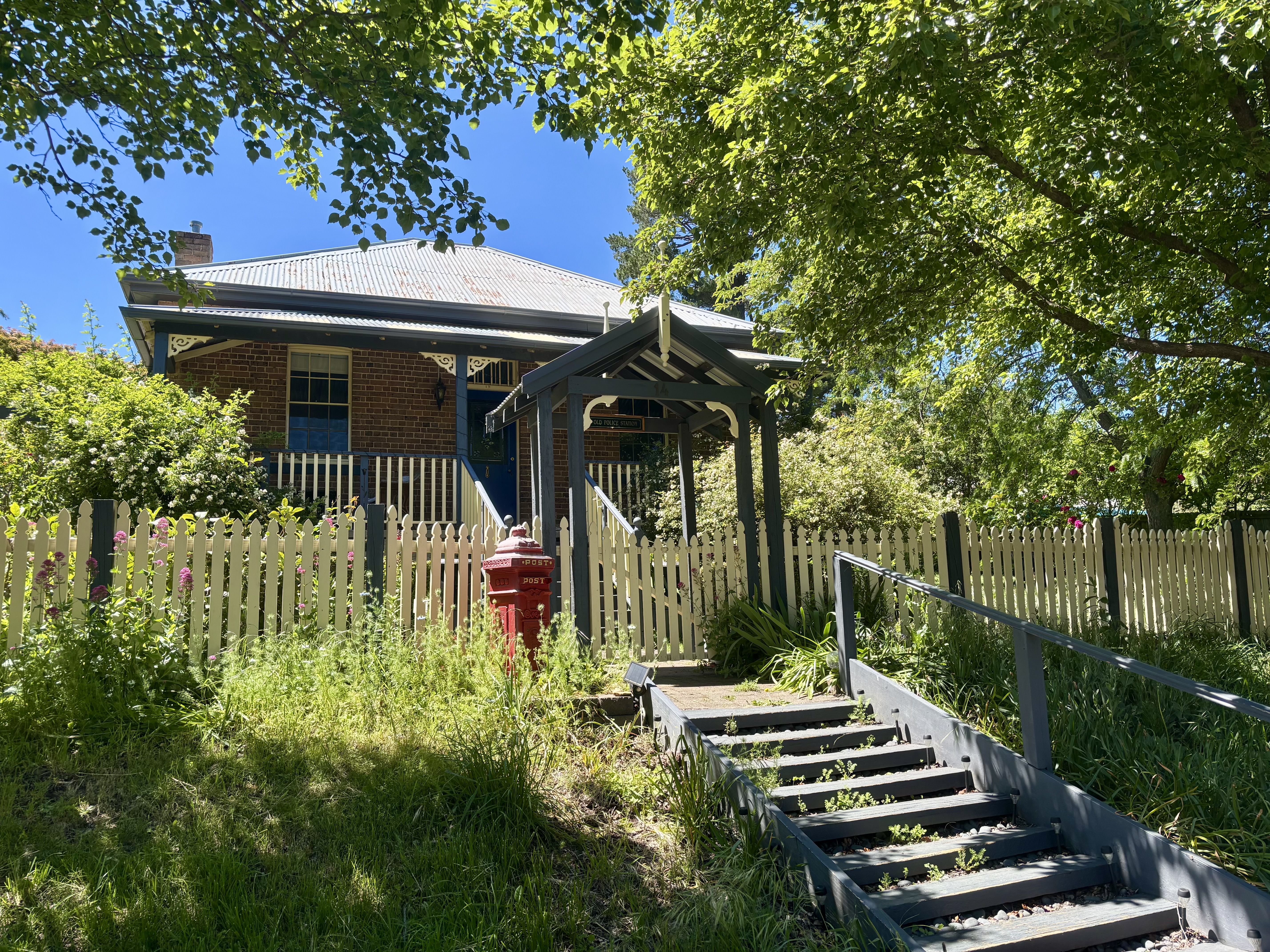
Gold was found in the Bathurst area, including the Turon River, in the 1850s. In 1869, a Police Station was built, in part to store gold consignments from the Turon goldfields. This replaced an escort station with cell accommodation which dated back to 1850. The police station was in use through to 1942, and is now a private residence. As Rydal grew in prominence, new infrastructure followed.
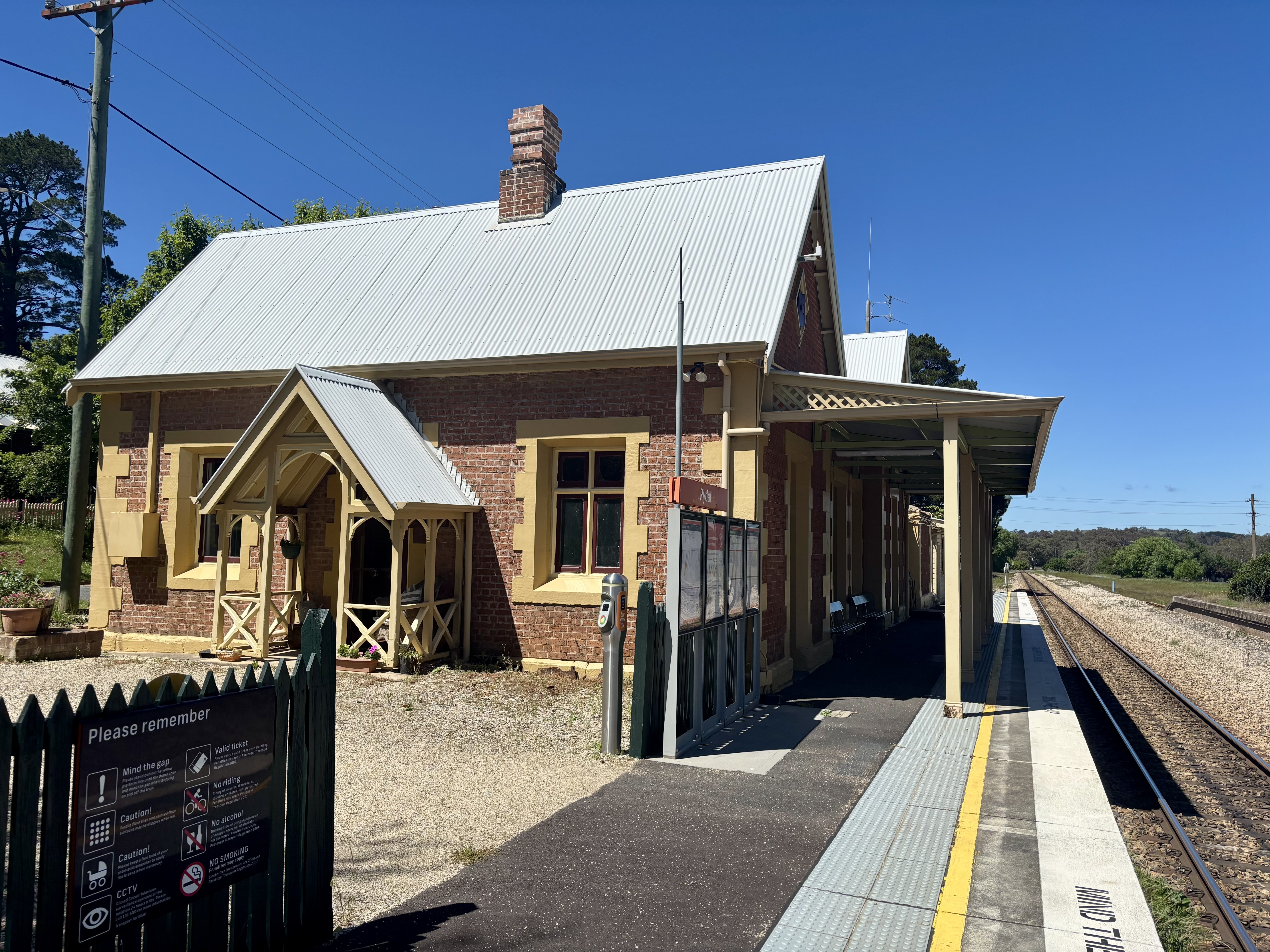
The arrival of the railway in 1870 marked a turning point for Rydal, bringing travellers and prosperity. For six years, the town thrived as a key terminus, until the line reached Bathurst in 1876. During this time, Rydal offered eight inns, five stores and five blacksmiths. Designed by NSW Engineer-in-Chief John Whitton, the railway station operated until 1989. Transport continued to shape Rydal’s destiny, with more changes on the horizon.
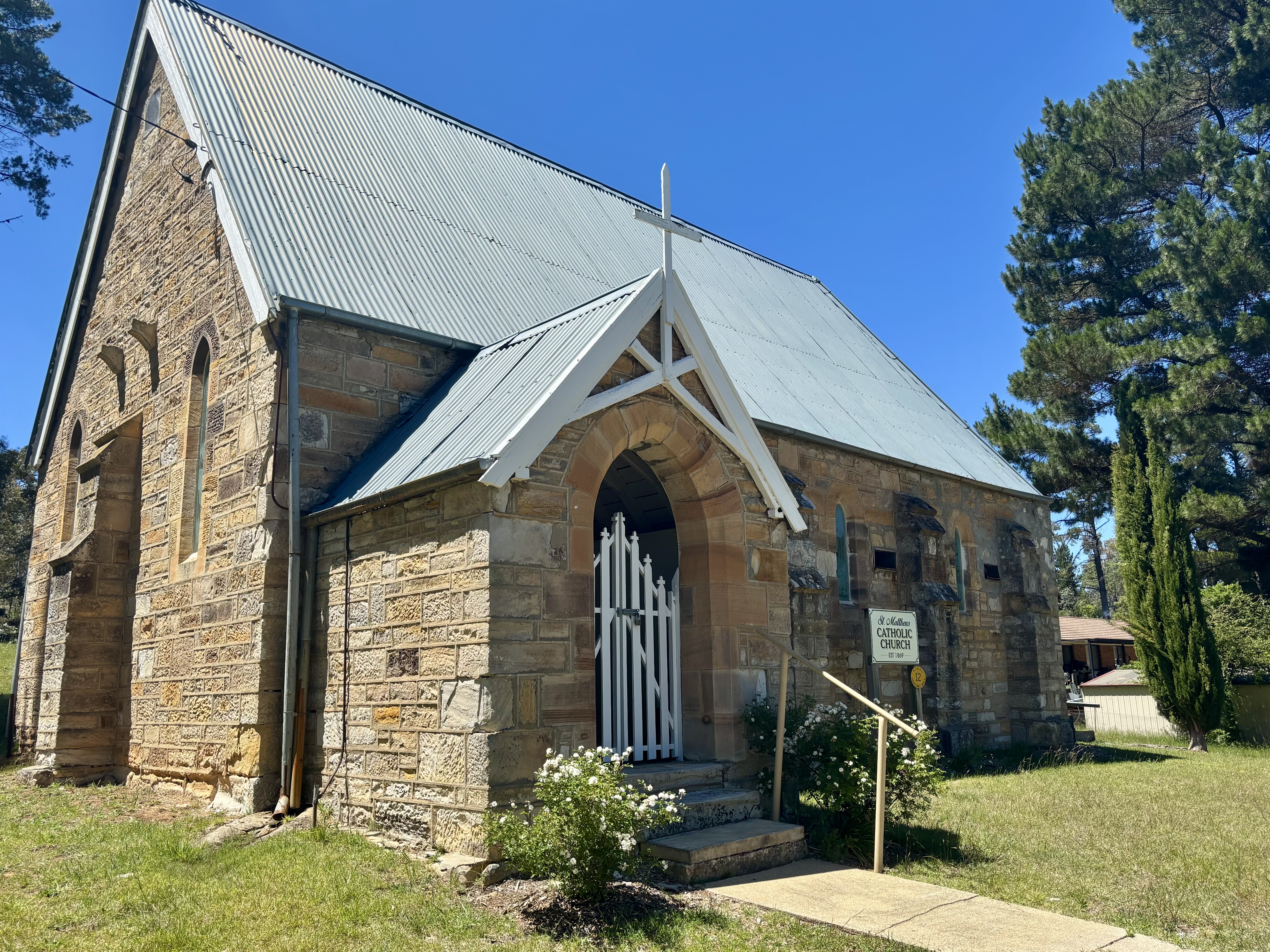
The next major transport-related change which had a significant economic impact took place in 1929. The Great Western Road was renamed the Great Western Highway, and the village of Rydal was bypassed. It is about six kilometres from the highway to Rydal. Rydal remains a rural service area for the surrounding farming district, but growth in the town was limited from that time onwards.
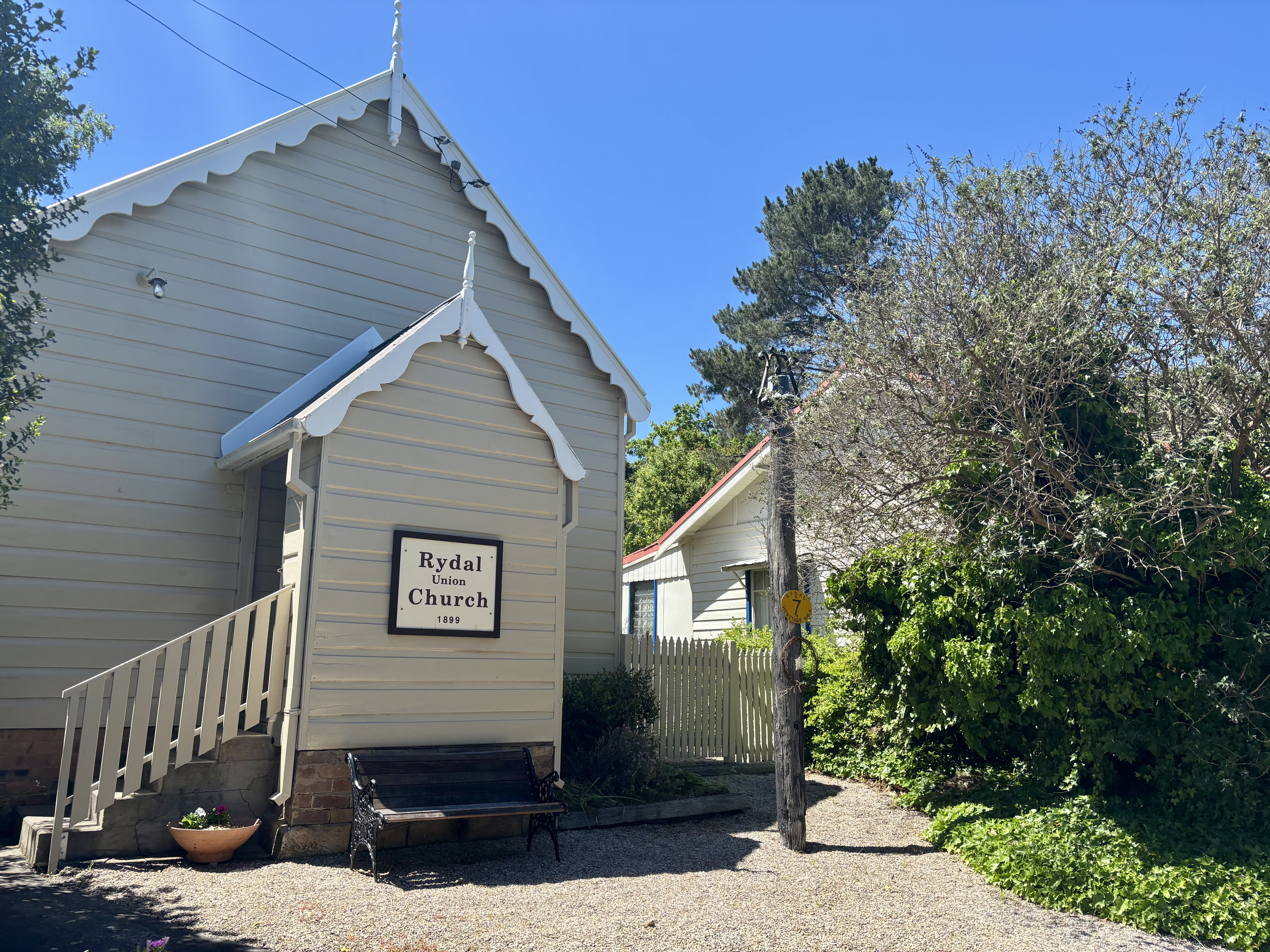
As Rydal’s fortunes shifted with changes in transport and the local economy, the community found new ways to come together. The Rydal Union Church, built in 1899, became a shared place of worship for Anglicans, Presbyterians, and Methodists — a testament to the village’s spirit of cooperation.
This spirit has been rekindled through the Daffodils at Rydal festival, established in 2002. Volunteers don colourful, daffodil-themed outfits, and the festival draws visitors from near and far, breathing new life into the community. You can read more about the reinvention of Rydal here. This is now a biennial event.
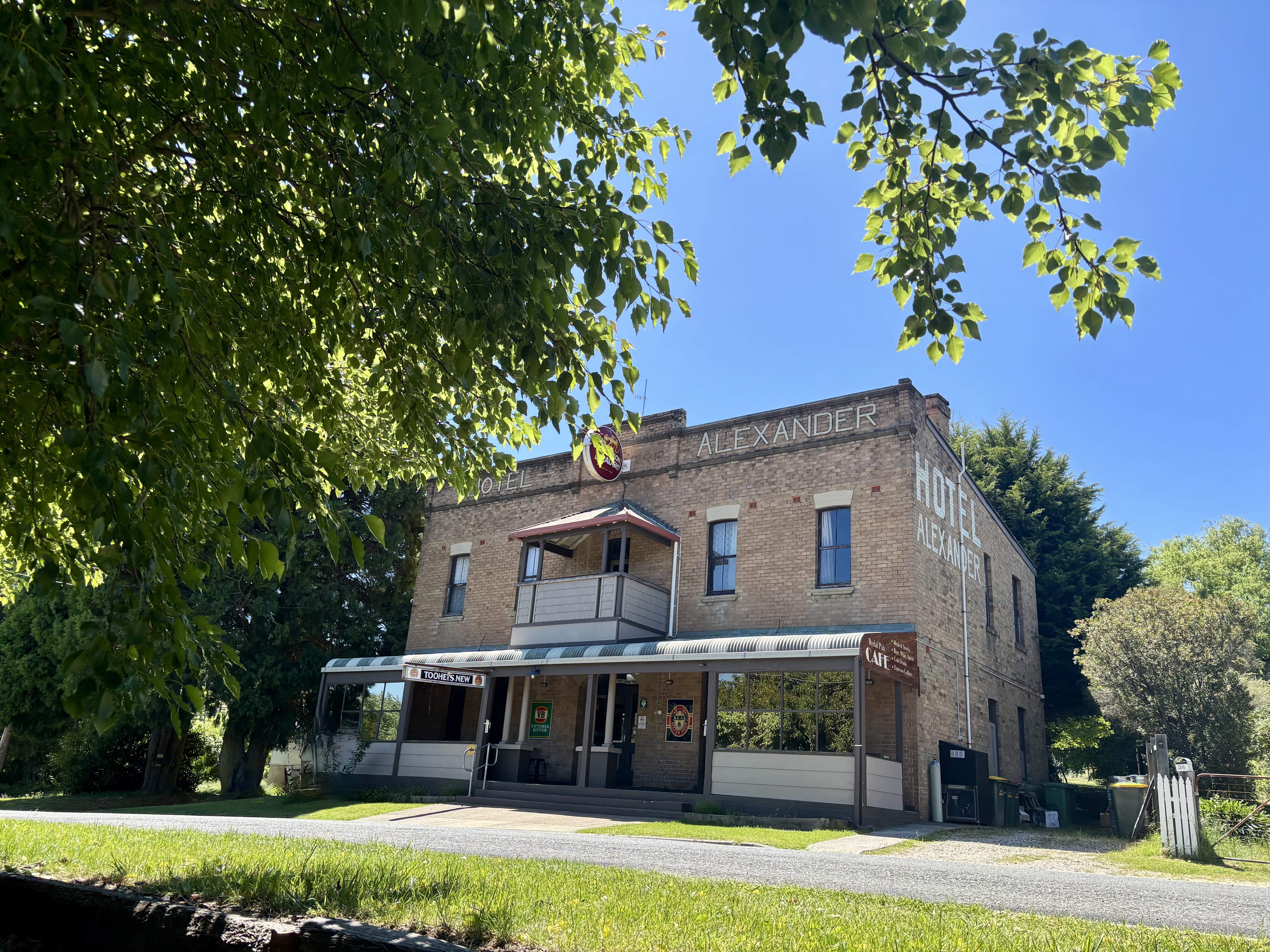
Before the highway bypass, Rydal was a lively village with six licensed inns, catering to travellers and locals alike. The construction of the Hotel Alexander in 1914 marked a new chapter in the town’s hospitality, offering a welcoming stop for visitors journeying through the region. Today, the Hotel Alexander stands as the sole surviving inn, a symbol of Rydal’s resilience and changing fortunes. While the village itself has grown quieter—with around 40 houses and a population of about 80—the hotel remains a focal point for community life and events. According to the 2021 Census, the broader area is home to 163 people, reflecting both the village’s modest size and its enduring appeal.
For those interested in local happenings, the Rydal Village Association provides updates on upcoming events and ways to get involved.
I enjoyed my wander around Rydal, and aim to return for the Daffodils at Rydal garden festival in September. Have you had a ramble around Rydal?
Photo: brake van at the rear of the Rydal Railway Station
 jml297
Leave a comment