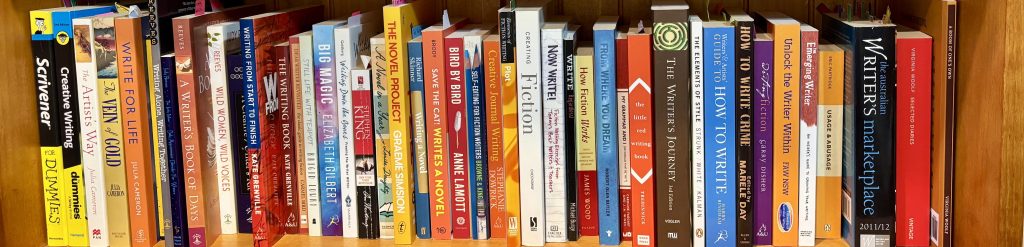
If you were to ask a dozen writers what their favourite book on the craft of writing is, you’d likely get a range of answers. Classics like On Writing: A Memoir of the Craft by Stephen King or Bird by Bird by Anne Lamott often appear, but the sheer number of writing guides can be overwhelming.
Over the years, I’ve gathered many books on writing. Some have become regular sources of inspiration and practical advice, helping me tackle specific challenges or simply motivating me to write. The right book at the right time can make all the difference.
With so many choices, it’s hard to know where to start. Recently, three books have stood out for their practical advice and impact on my writing.
1. The Organised Writer by Antony Johnston
There was a reference to The Organised Writer by Antony Johnston in an article by Sheryl Garratt listing Ten of the Best Books for Writers. The book focuses on building an organisational system to support a writing life, developed by Johnston over a year. It’s detailed and logical, offering techniques to meet deadlines and streamline the administrative side of writing. Johnston is a prolific and highly successful writer working across a range of mediums.
Highlights for me include the clean mind theory (a state before external demands intrude on creativity), effective calendar management, and practical note-taking. The book is full of examples, resources, and checklists. The Articles and Resources for Writers page on his website is also helpful. Since reading this book, changes to my routine have reduced friction and made writing more enjoyable.
While The Organised Writer helped me build a sustainable writing routine, my next discovery explores creativity within tight constraints.
2. Going Short: An Invitation to Flash Fiction by Nancy Stohlman
I heard about Nancy Stohlman in an online writing group. Her site features posts and clips about writing, and Going Short is a guide to flash fiction. These are stories of up to 1,000 words that capture a moment with urgency.
The book’s short chapters offer insights, practical tips, and innovative ways to refine and shorten stories. It includes guidance on compiling collections and 100 FlashNano prompts to spark creativity. The revision tips and advice on gaining perspective were especially helpful. Overall, it’s an uplifting, practical guide for anyone interested in flash fiction.
Inspired to experiment with shorter forms, I realised the importance of refining my work—leading me to a classic guide on editing fiction.
3. Self-Editing for Fiction Writers: How to Edit Yourself into Print by Renni Browne and Dave King
This is a practical guide for writers looking to refine their work. I first heard about it during a podcast interview with Alex Dook, who credited the book with helping him to revise his manuscript for publication.
What sets this book apart is its focus on the technical aspects of revision, offering twelve techniques to address common pitfalls. There are concrete examples and checklists, covering point of view, character voice, dialogue, and pacing. Their approach encourages writers to assess drafts objectively.
I especially appreciate the emphasis on developing a consistent narrative voice and avoiding overwriting. The book’s strategies for trimming excess and focusing on clarity have already influenced my editing process. Though I am still working through it, I expect to return to this resource often. It’s an indispensable companion for anyone aiming to turn a rough draft into a polished manuscript.
These books have each offered practical tools and fresh perspectives that continue to shape my writing journey. I hope my experiences help you find inspiration and guidance in your search for the right writing resources.
What books on the craft of writing have influenced your work? Are there any writing books you would recommend to fellow writers?
Photo: some writing books in my collection
Writing resources:
- Derek Murphy’s list of the 25 best books on writing books for authors that want to master their craft includes many of the best-known books, such as those by King and Lamott. The key writing advice is summarised, from daily writing goals and use of adverbs, to varying sentence structure and development of character arcs.
- There are several great Australian books on writing, and some of them are listed on Anna Featherstone’s article Books for writers recommended by the Australian Society of Authors. They include some that are on my shelf, including Writing Fiction: An Introduction to the Craft by Garry Disher and Kate Grenville’s The Writing Book: A Practical Guide to Fiction Writing.
- There is a fantastic selection of craft books on A Reading List for Writers on the New York Public Library page, which includes story development, non-fiction and genre-specific books.


 jml297
Leave a comment