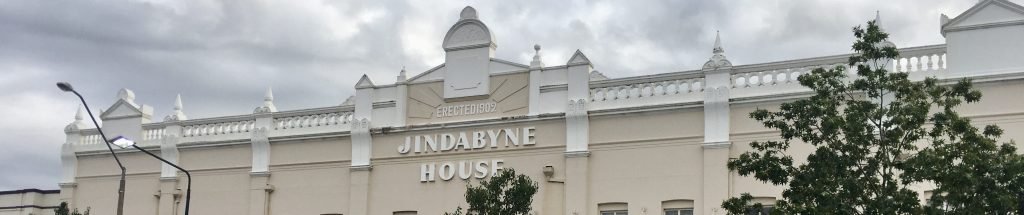
Inverell is a town located in the New England district, situated on the Macintyre River about 680 km north of Sydney. The town is famous for gemstones, especially sapphires, and is known as ‘Sapphire City’. It has a population of about 9500 people. It is on the land of the Kamilaroi nation, and the traditional name is Giree Giree. Inverell was named after Alexander Campbell’s station, established in the area in 1836, and is of Gaelic origin — “Inver” meeting place and “Ell” swans.
I was able to have a brief wander around Inverell a couple of times recently, and there were many points of interest in this New England town. After soaking in the town’s rich history and vibrant atmosphere, my first stop was the Kurrajong Memorial—a poignant reminder of Inverell’s role in Australia’s wartime story.
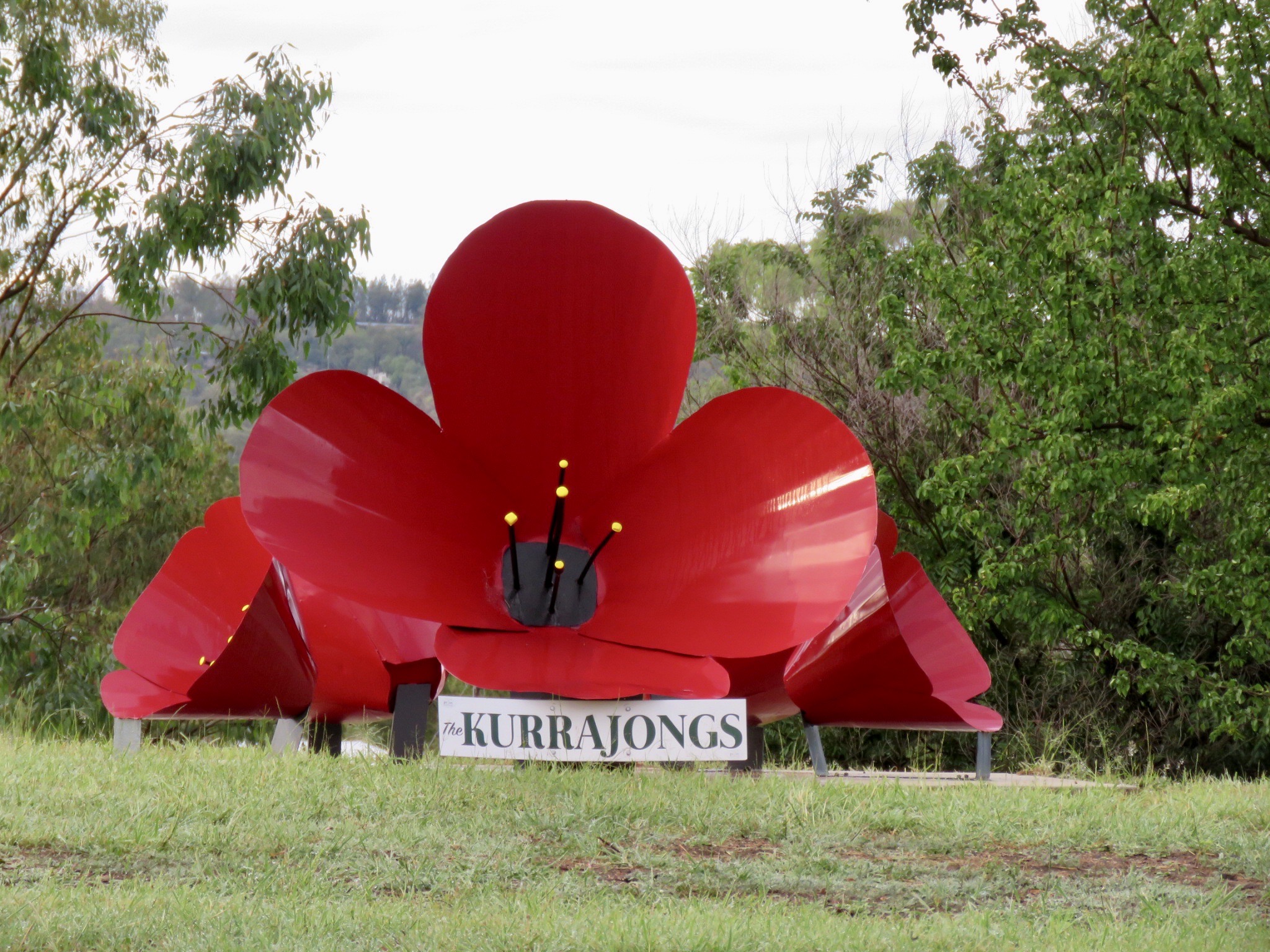
This sculpture is part of the town’s memorial to the Kurrajongs, a contingent of 114 volunteers who marched to the Inverell railway station on 12 January 1916. They were the largest single contingent of men to leave a country town to enlist. The men, wearing white hats with a sprig of kurrajong leaf on their collar, marched to the station and a special train took them to the camp at Narrabri via Moree, a trip of over 250 kilometres. The train stopped at Warialda and Moree, with recruitment rallies held to further boost numbers.
About 1,200 men and women from the Inverell district served in WWI. Approximately one in five did not return, and many others were badly injured. There are photos of the memorial wall, plaques, and tree plantings here. There is a fantastic article on the Australian War Memorial site about the Kurrajongs. This includes the story of a lost Kurrajong who was identified in 2010, and the centenary re-enactment of the original recruitment march in 2016. Leaving the memorial, I wandered towards the heart of civic life in Inverell: the Town Hall. Its striking architecture immediately caught my eye.
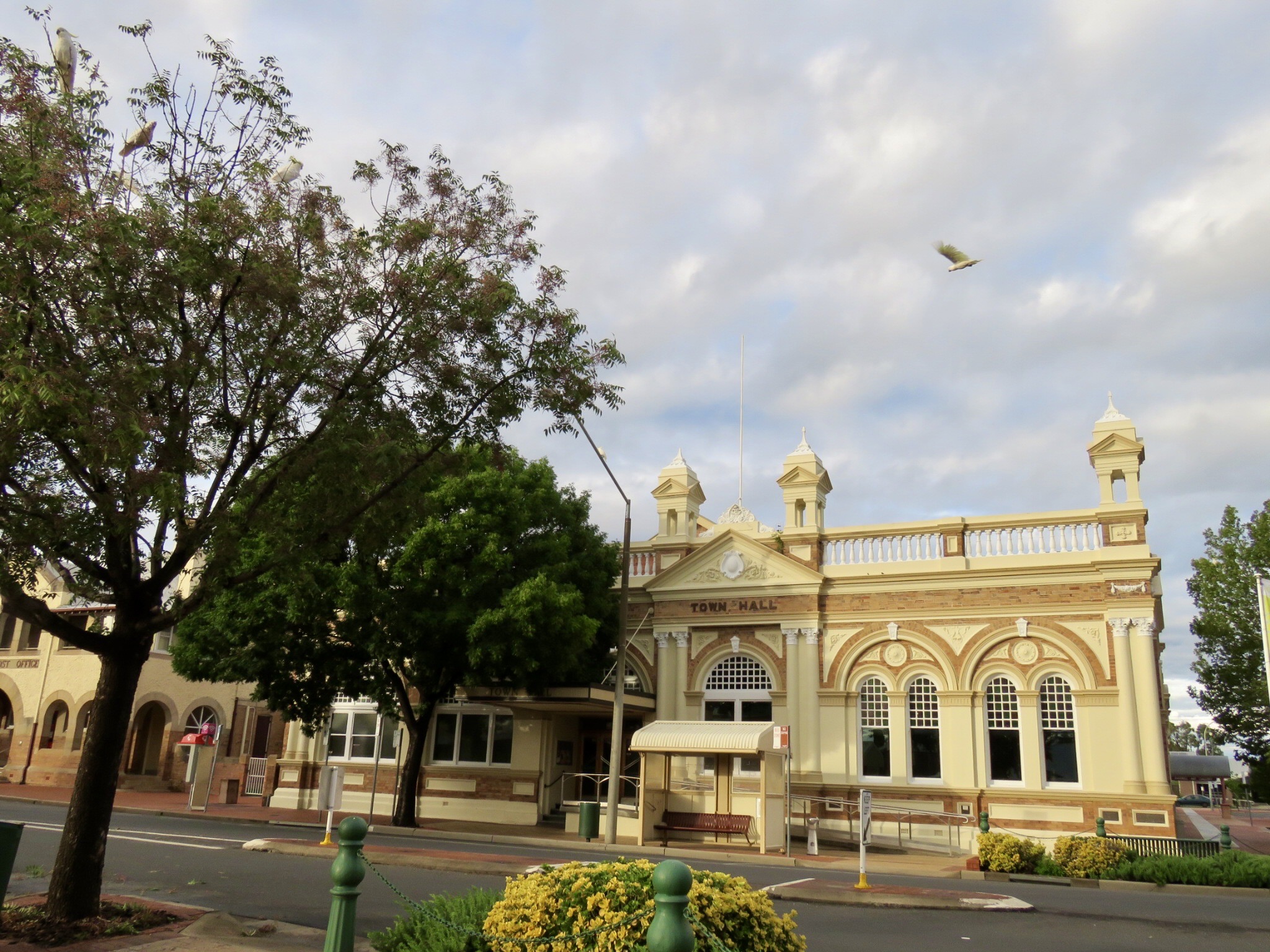
The impressive Federation style Town Hall was built in 1904, replacing a previous wooden building which dated back to 1868. The original town hall was relocated within the town and refurbished as a family home. There are glimpses of the Art Deco foyer here. The Town Hall was the headquarters for the local council, and was also the venue for popular entertainment such as concerts and balls. Just a stone’s throw from the Town Hall stands the Post Office, another historic building that has witnessed the town’s growth and resilience over the years.
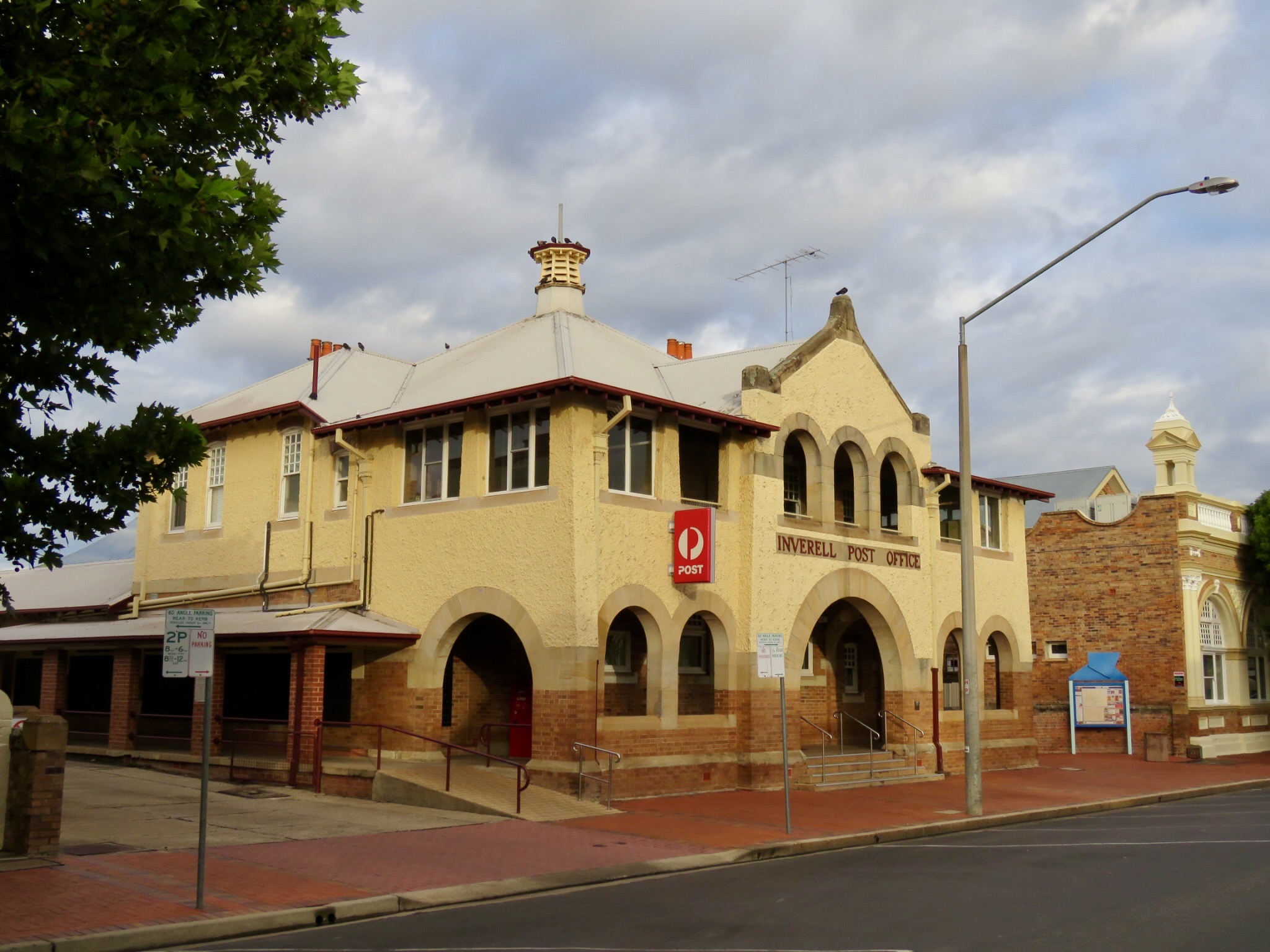
The Post Office, along with some older bank buildings in Inverell, has been built up to reduce the impact of flooding. Built in 1904, this was designed by Walter Liberty Vernon of the Colonial Architects Office, with additions built in 1913-1918. The telegraph arrived in Inverell in 1868, and this building was erected on the site of the previous post office. It is in the Federation Arts and Crafts style of architecture. Continuing along the main street, the imposing courthouse soon came into view. Its clock tower and elegant design make it a focal point of the streetscape.
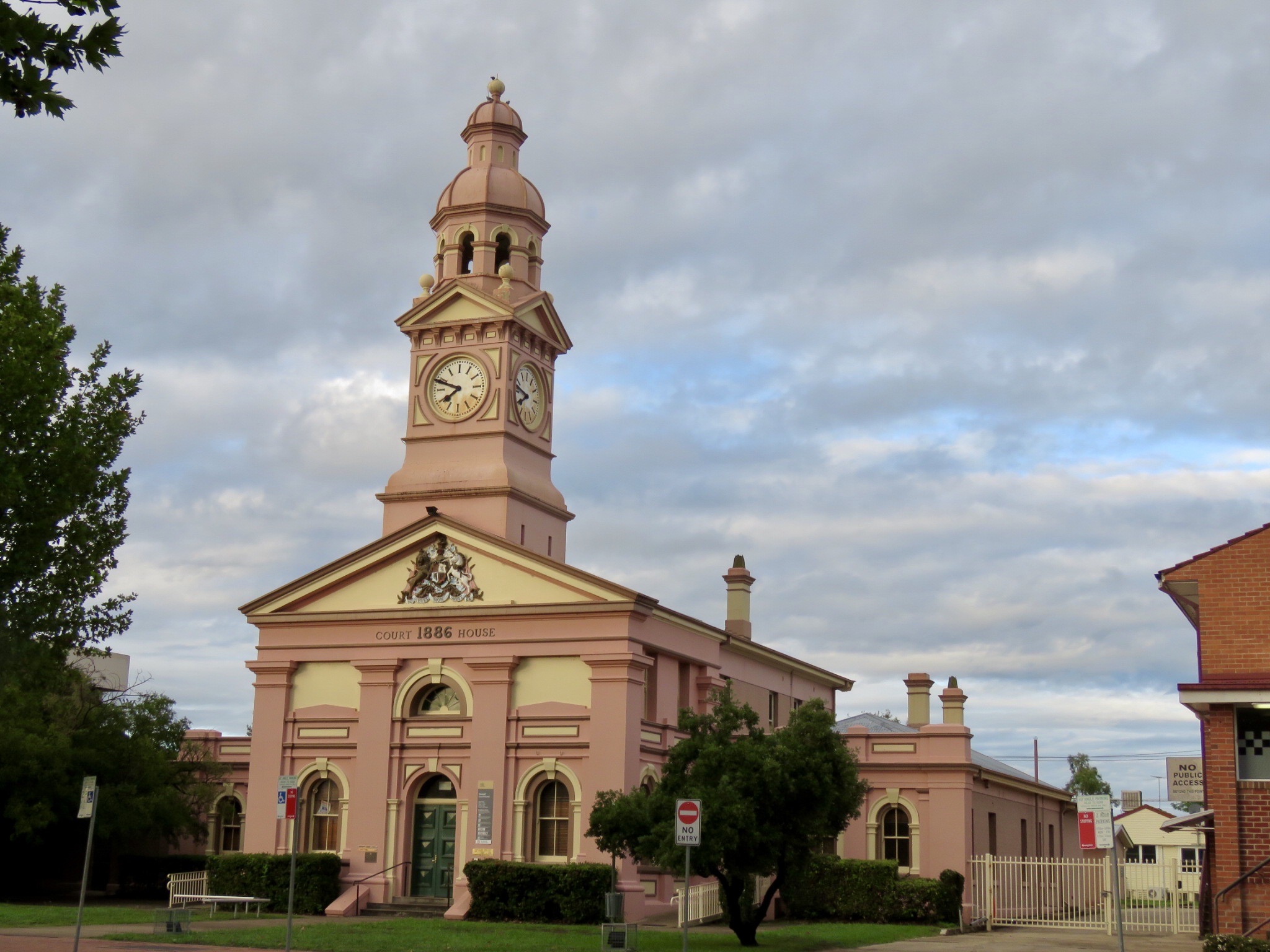
The majestic courthouse dominates the streetscape, especially with the clock tower, which was added in the years following its completion in 1887. It was designed by Colonial Architect James Barnet, replacing the previous building, which was described as ramshackle and without sufficient furniture for people to sit during sessions. This is the fourth courthouse erected for Inverell, built in the Victorian Italianate style. Not far from the courthouse, I discovered the Taylor Memorial Uniting Church. Its graceful architecture and deep roots in the community reflect Inverell’s spiritual heritage.
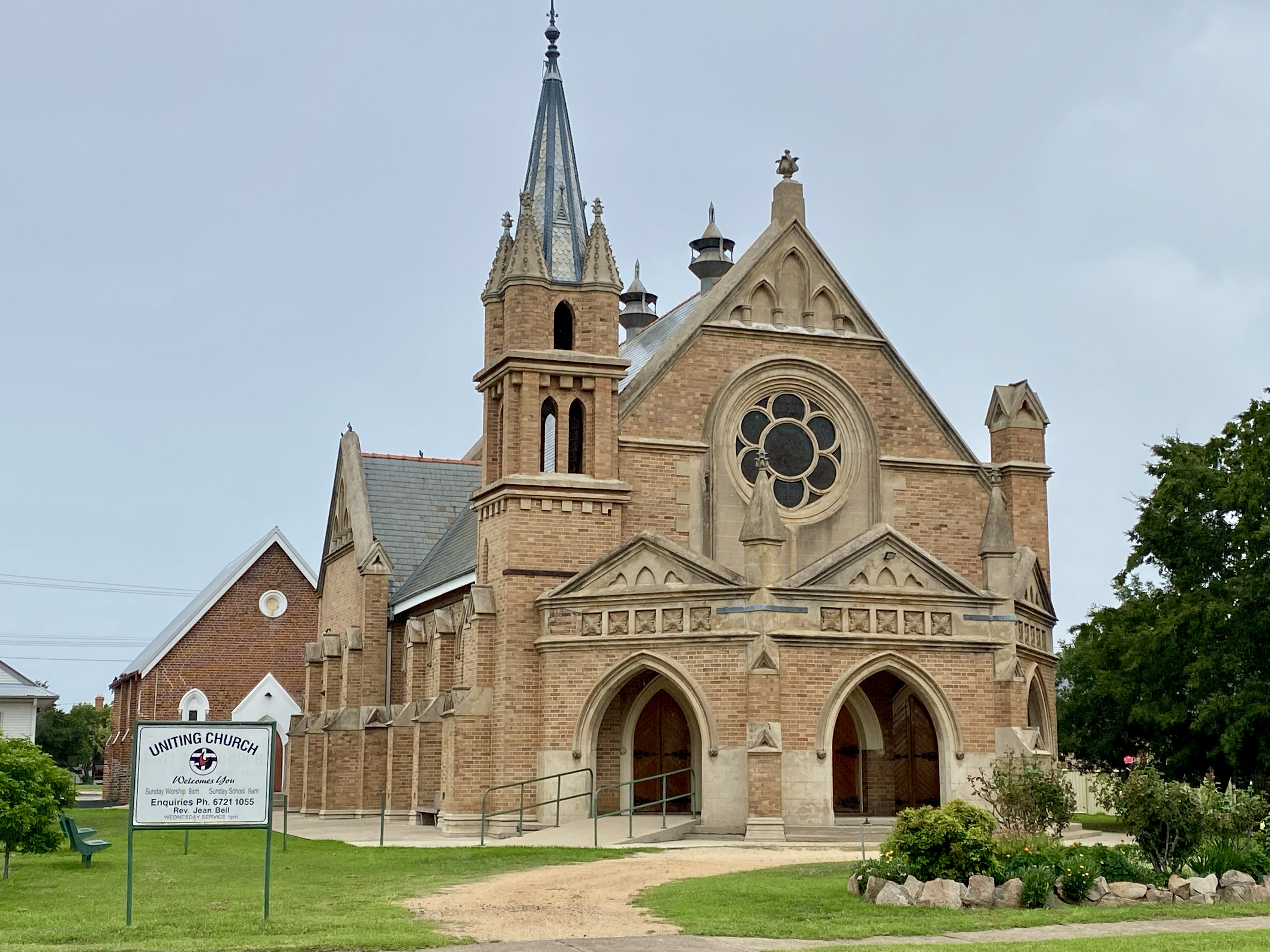
There are some magnificent churches in Inverell. The Taylor Memorial Uniting Church, shown above, was built in 1904. The construction was largely funded from a gift of parishioner Thomas Taylor. The original church building, built around 1874, can be glimpsed behind the newer church.
Beyond these landmarks, Inverell’s history is further brought to life through resources like the Soundtrails page and the Heritage walk. On future visits, I hope to explore even more, including the Inverell Pioneer Village and its colonial treasures.
Exploring Inverell’s historic streets and civic landmarks has given me a deeper appreciation for the town’s rich heritage and enduring community spirit. From memorials that honour local heroes to architectural gems that have stood the test of time, each site tells a unique story about Inverell’s past and present. Whether you’re drawn by its history, its vibrant culture, or simply the charm of its streetscapes, Inverell offers much to discover for visitors and locals alike. I look forward to returning and uncovering even more of what makes this New England town so special.
Have you spent any time in Inverell?
Photo: Jindabyne House, Otho Street, Inverell




 jml297

Leave a comment