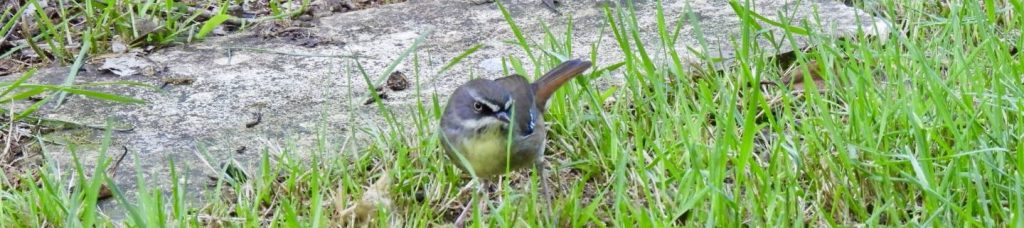
Sericornis frontalis (from sericum, “silky”, and frontalis, “forehead or brow”)
Before you see a white-browed scrubwren, you usually hear it—a sharp, scolding burst of sound erupting from the undergrowth. The bird itself appears a moment later, small and quick, with a bold white eyebrow that gives it a surprisingly fierce expression. When scrubwrens arrive in the garden for a fossick, they announce themselves loudly, darting through the shrubs with restless energy.
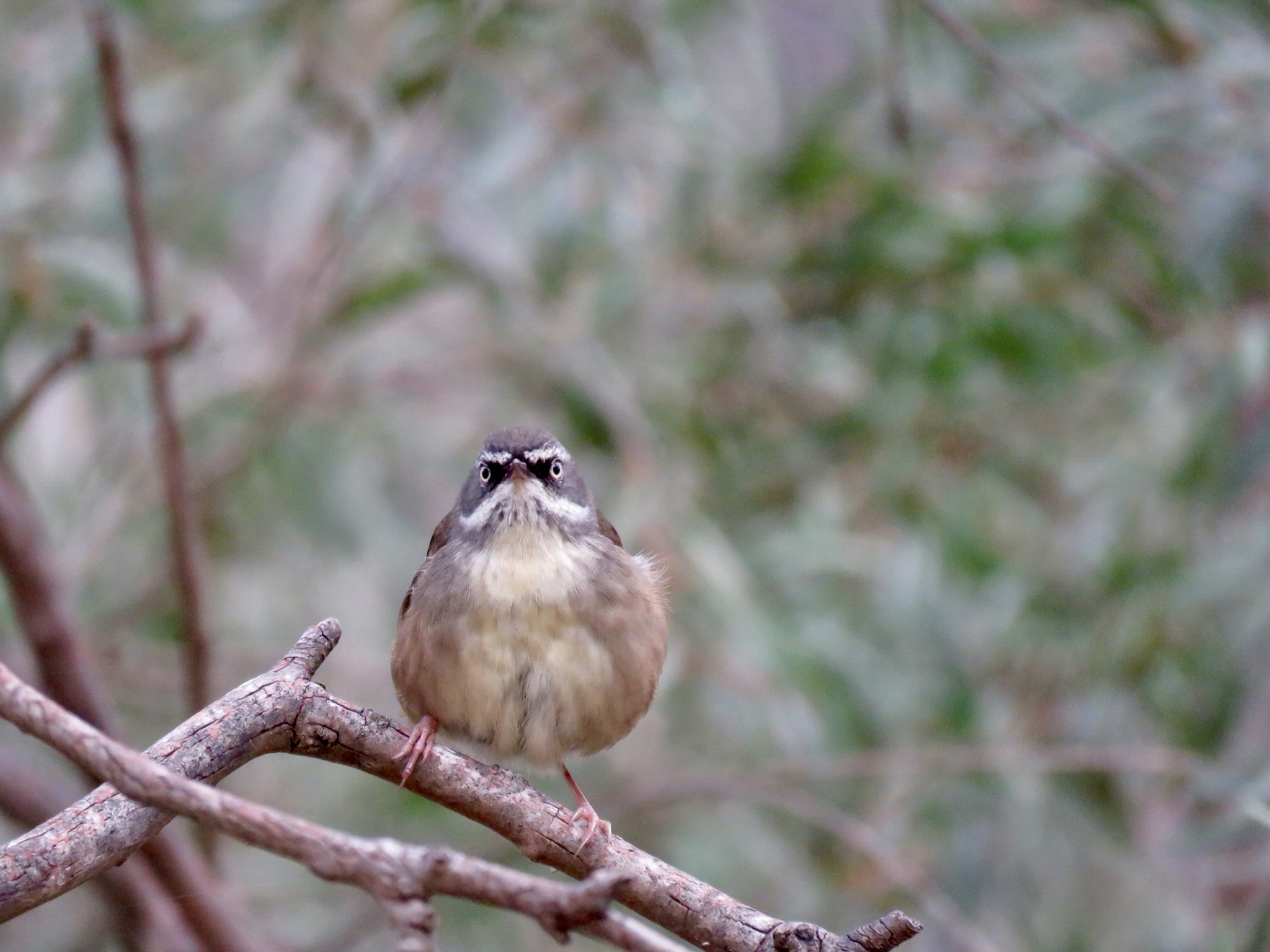
White-browed scrubwrens are inquisitive, busy birds, heard more often than seen as they work their way through dense undergrowth searching for food. They commonly appear in groups and may form mixed flocks with superb fairy-wrens and brown thornbills. Up close, they reveal just how small they are.
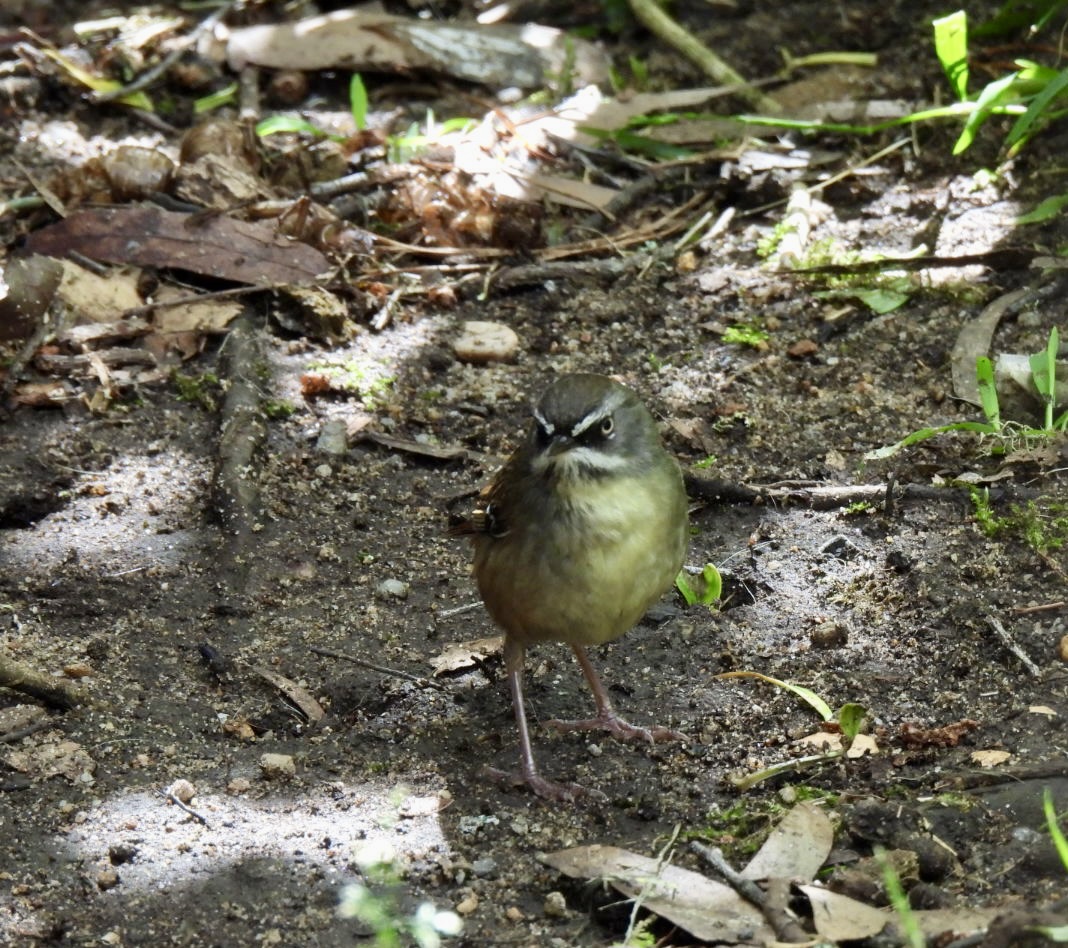
Measuring about 13 centimetres (around five inches) in length, white-browed scrubwrens are compact birds. Males and females are similar in appearance: olive-brown overall, with a white throat, yellow eye, bold white eyebrow and dark brown bill. The belly and rump are dull rufous. Immature birds are browner, and females tend to be slightly duller than males.
White-browed scrubwren have a wide distribution, ranging from north‑east Queensland through to south‑west Western Australia. Several subspecies show variations in colour. They favour dense, shrubby habitats, including rainforest, sclerophyll forest and heath. These birds are breeding residents of the Blue Mountains; the individual pictured below was photographed at the Blue Mountains Botanic Gardens.
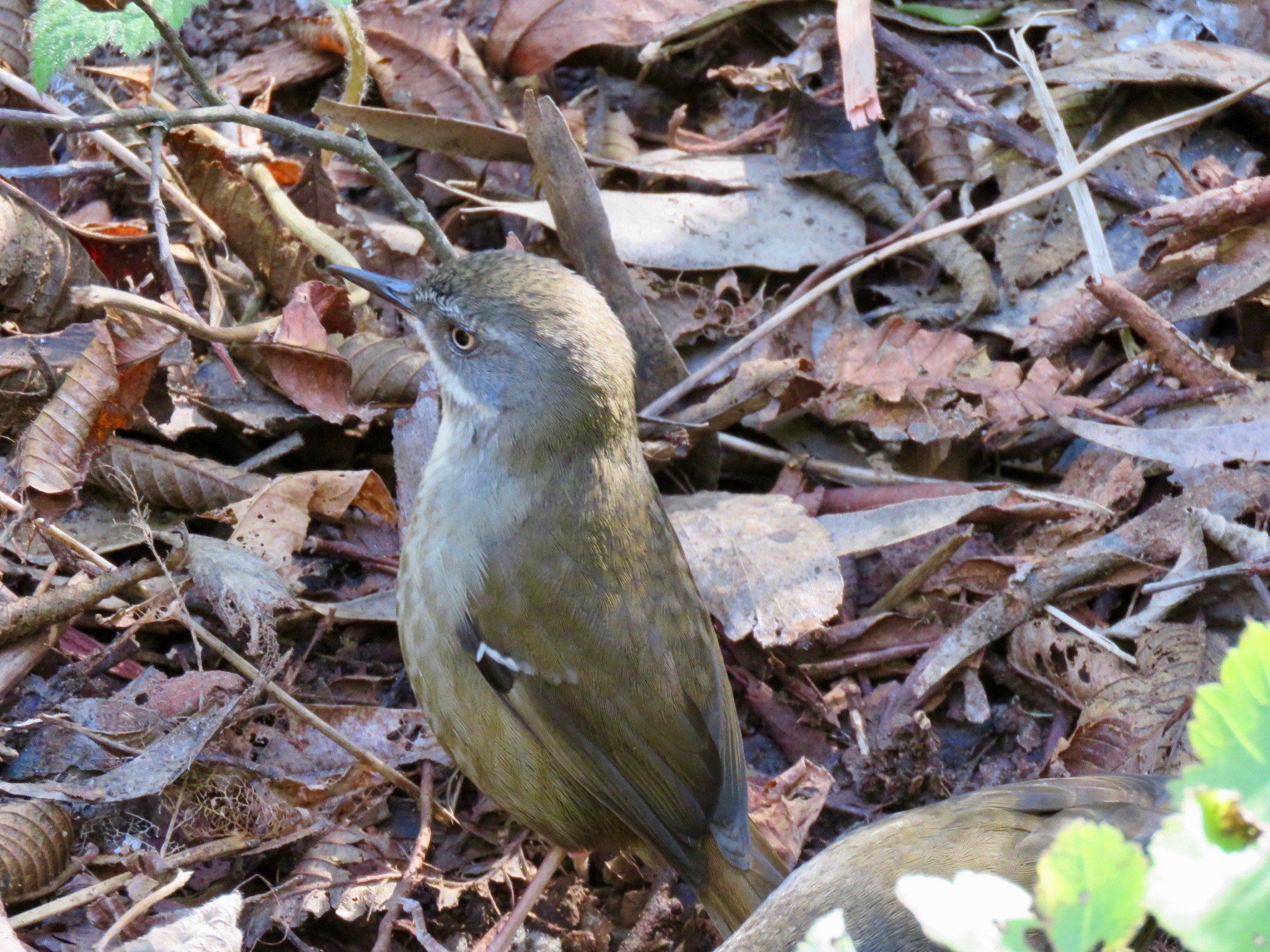
White-browed scrubwrens forage by hopping through the undergrowth, probing leaf litter and low vegetation for insects, insect larvae, moths and seeds. Like many small birds, they move swiftly, passing quickly through areas in close-knit family groups.
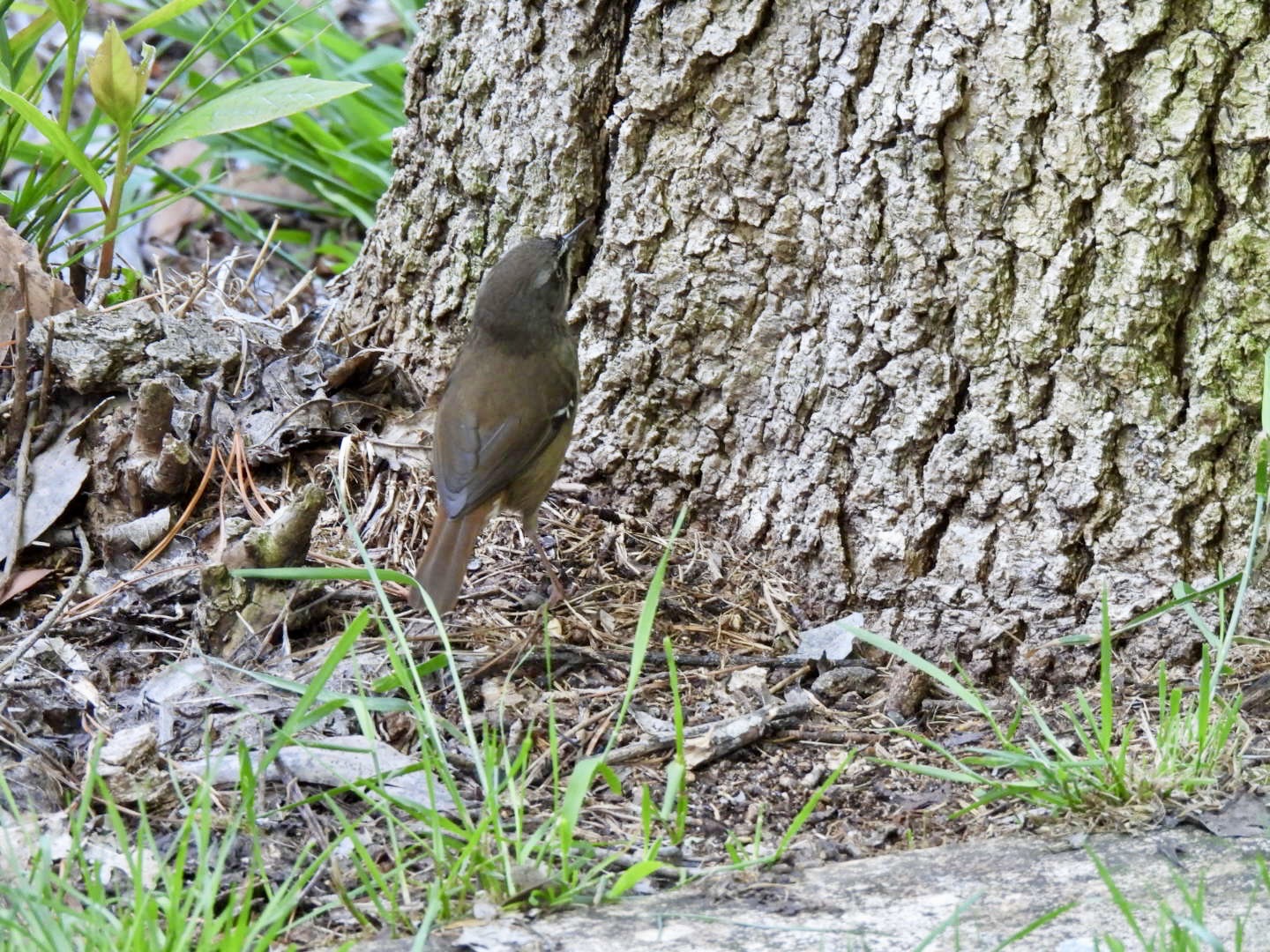
Their loud, distinctive alarm call (“tzz, tzz, tszz”) is a familiar sound, and they chide continuously as they move from place to place, maintaining a constant stream of chatter. A pair or small group may hold a territory of up to five hectares. The female builds the nest and incubates the eggs, while the chicks are fed by all members of the group. Breeding usually occurs from June to December. Nests are domed and constructed from grass, strips of bark and similar materials, and are carefully concealed either on the ground or just above it.
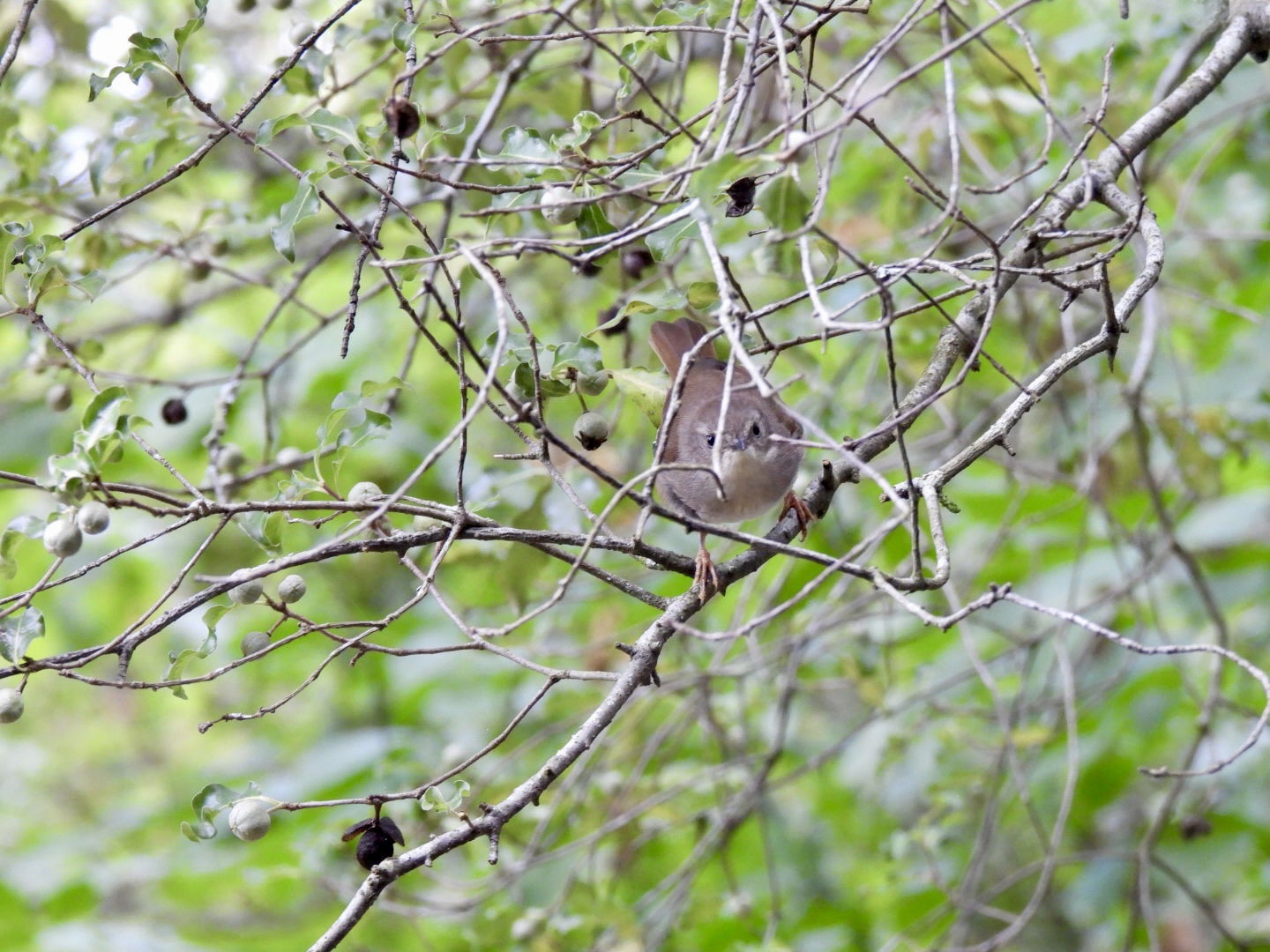
I have encountered these active, animated birds in many parts of the country, including wetlands and botanical gardens. They seem to visit my garden several times a day, and it is always a pleasure to hear their brisk calls as they investigate pockets of shrubbery. Photographing them can be challenging—their movements are quick and unpredictable—but the effort is well rewarded. Unlike birds celebrated for striking plumage or melodious song, white-browed scrubwrens can be difficult to spot in dense cover; even so, a fleeting glimpse can brighten your day.
A short clip here features some of those distinctive calls.
Have you encountered any white-browed scrubwrens?
Photo: White-browed scrubwren in the garden



 jml297
Leave a comment