
On a trip to Albury, my flight back to Sydney was delayed. With a bit of extra time on my hands, I drove for about 10 minutes from the city centre to the Wonga Wetlands.

The development of the Wonga Wetlands commenced in 2000. The aim was to help recreate the natural water flow to the floodplains along the Murray River, which had been impacted by development, dams, and farming. The 80 hectare site had been used as grazing land, and the wetlands have been restored using environmentally treated wastewater.
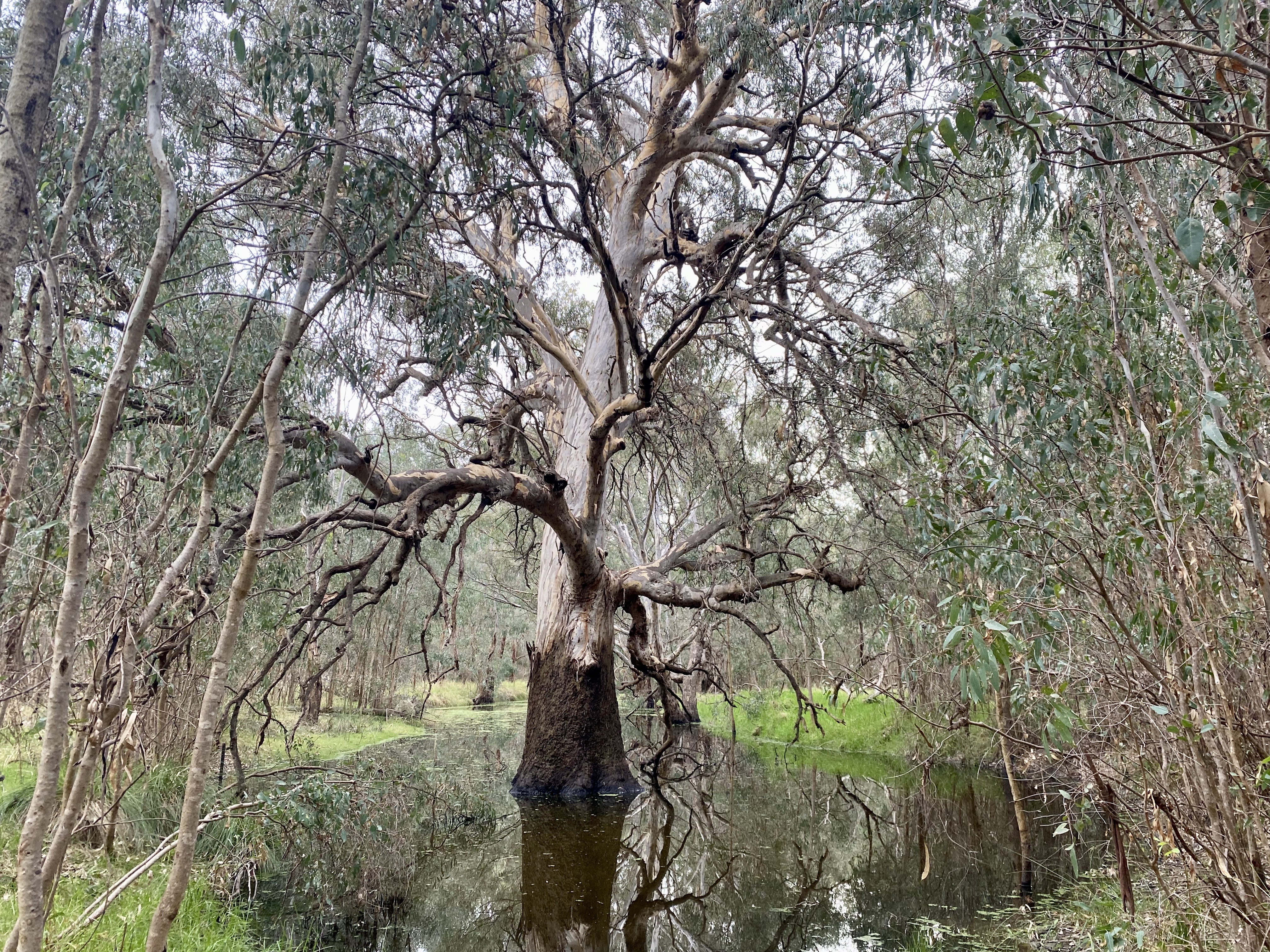
Starting out from the visitor centre, there are various walking trails around the wetlands, winding their way alongside the billabongs and lagoons. There is a Wiradjuri campsite and six bird hides. Wonga means cormorant in the Wiradjuri language, and cormorants are included in the 176 bird species that have been identified in the wetlands.
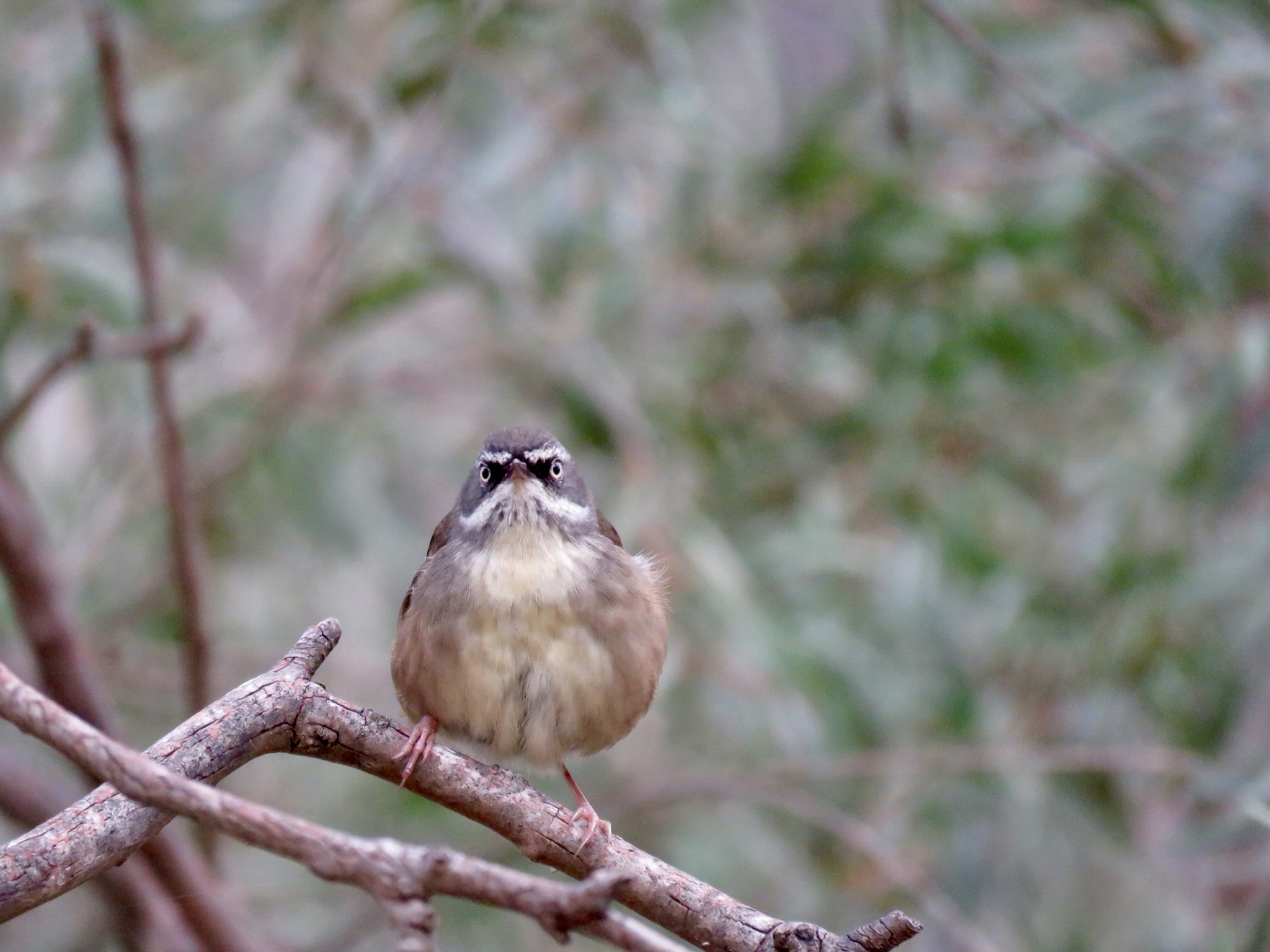
There were many birds spotted and heard along the trails, including superb fairy-wrens, magpielarks, dusky moorhens, magpies and a white-faced heron. The white-browed scrubwren shown above was particularly vocal.
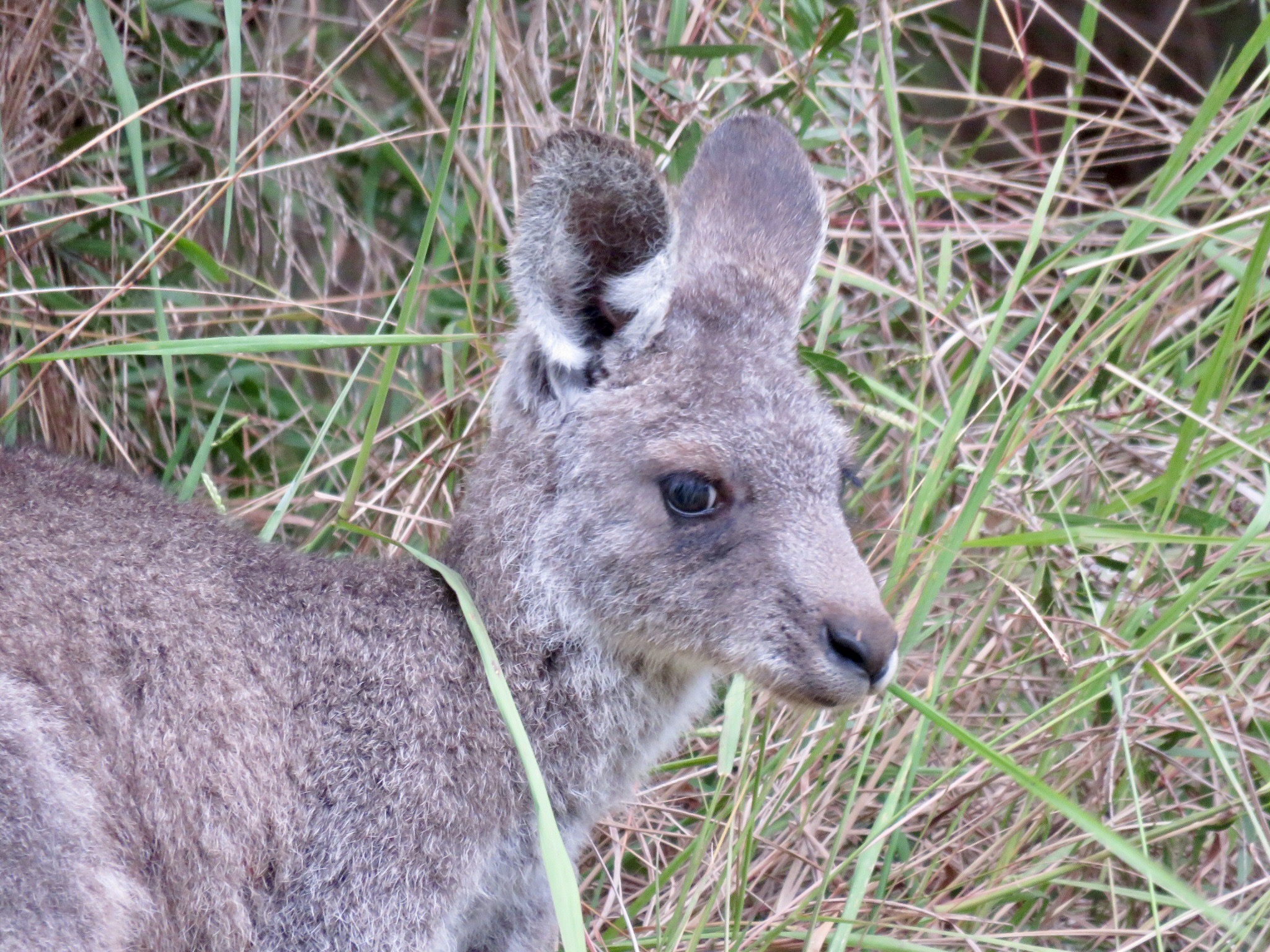
The wetlands attract other wildlife, and I saw several eastern grey kangaroos. There were adults and joeys grazing in the distance. When mature, these kangaroos can weigh up to 70 kilograms.

There is an aquatic education centre and picnic areas in the wetlands. Near the old homestead visitor centre, there were some interesting sculptures of birds, frogs and other items such as a penny-farthing bike.
Although it was only a brief visit, I enjoyed my time in the Wonga Wetlands, and would definitely revisit next time I’m in the area. Have you had a wander around a wetland lately?
Photo: Wonga Wetlands view




 jml297
Leave a reply to jml297 Cancel reply