
In many towns that I’ve passed through over the years, one building always catches my eye: the post office. Often grand, sometimes humble, it sits at the heart of the civic streetscape. For many decades, post offices provided essential services, including postal and telegraph facilities. In recent times, their role has changed, and the heritage buildings are often left to serve a different purpose when the local post office relocates to more modern premises.
In this post, I’ll share photos of a few of the buildings which chart the importance of postal services to local communities, starting with Hartley.
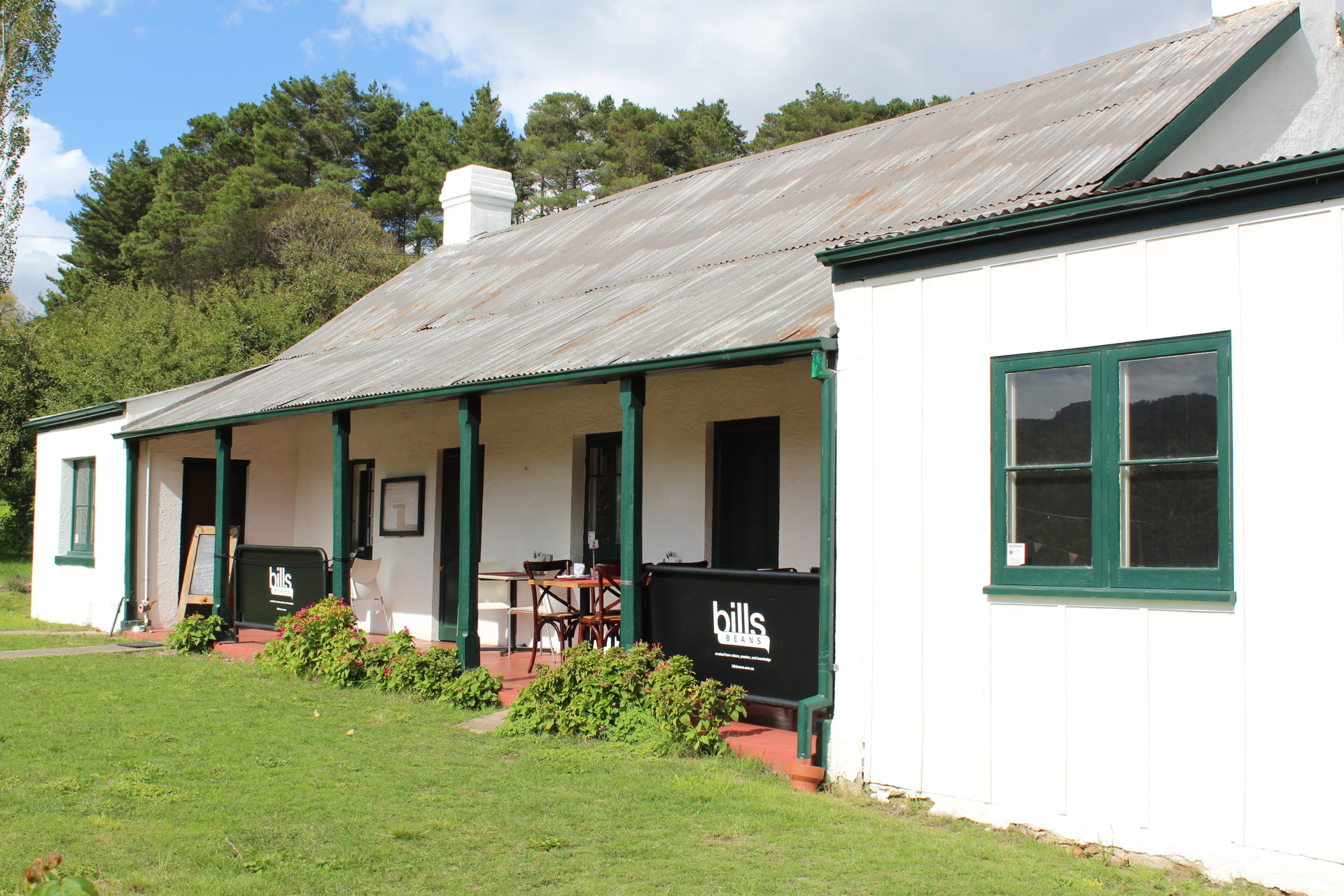
One of New South Wales’s earliest post offices is in Hartley, just beyond the Blue Mountains on the Great Western Highway. The Finn family built it in stages between 1845 and 1852, and it provided postal services from 1846, while construction was still under way, until 1982. As well as serving as a post office, it was also a general store and provided tourist information. Now part of the Hartley Historic Site and maintained by the NSW National Parks and Wildlife Service, it operates as a café. Next, we look at the golden age of post office buildings in New South Wales, the 1880s.
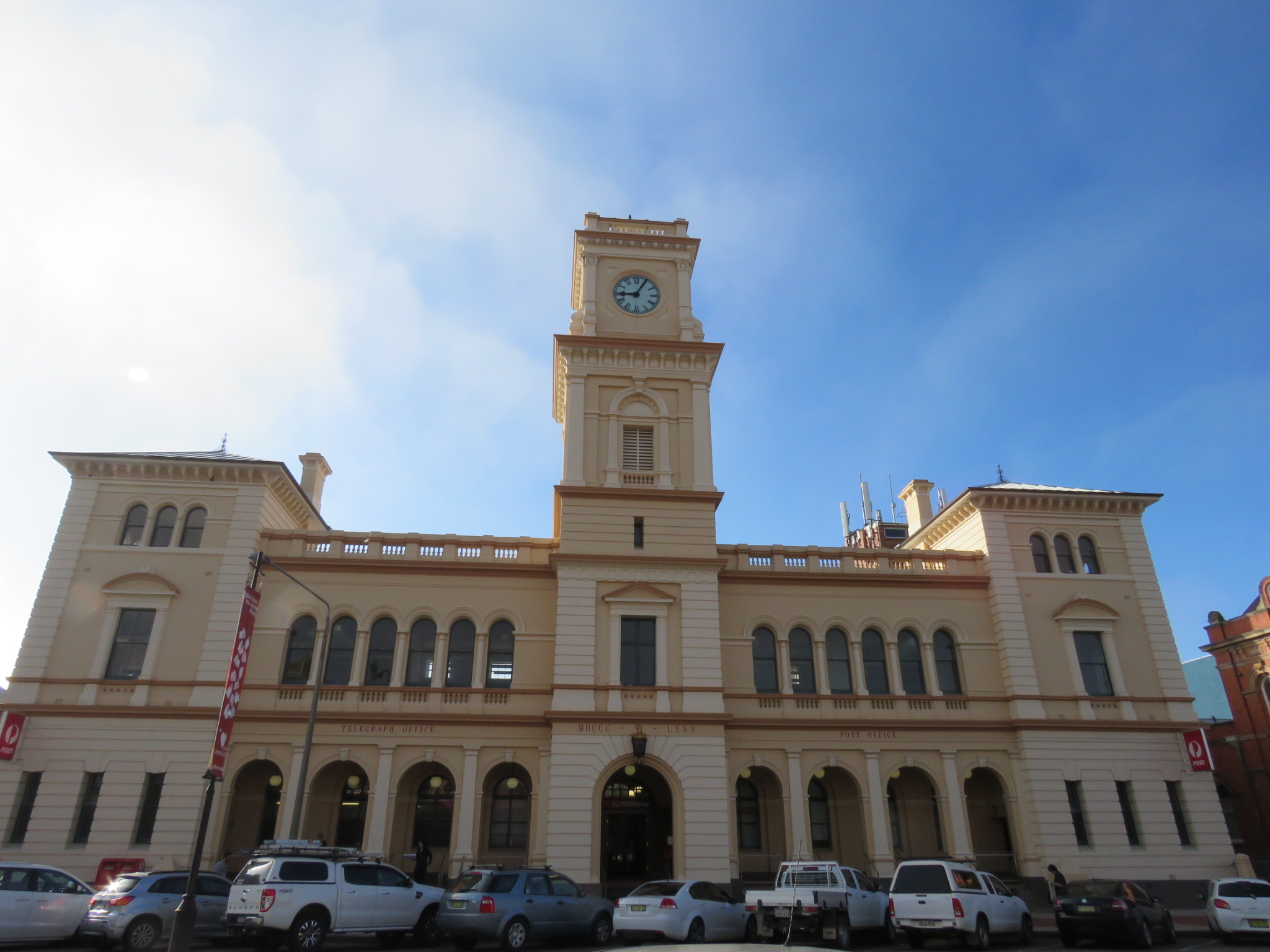
The status and importance of a town could often be judged by the grandeur of key buildings, including courthouses, banks, and post offices. One of the major regional towns was Goulburn, proclaimed Australia’s first inland city by Queen Victoria in 1863. Located in the Southern Tablelands, it was an important transport and overland hub. In many towns, postal services were established, frequently operating out of private premises until official buildings were erected. Goulburn’s grand post office, built in 1880 with further additions over the years, reflects the city’s significance, as does the Goulburn Courthouse. Both were designed by Colonial Architect, James Barnet, who designed over 1,000 buildings during his tenure, including the post office at Moruya, on the south coast.

The former Moruya Post & Telegraph Office, built in 1887, is more modest in style and reflects the local area and climate. It operated from the ground floor, the Post Master’s family lived upstairs, and a further addition in 1926 accommodated a telegraph office. Unusually for a post office, the building isn’t on the main street of Moruya. The current post office is located within the central business district, and the original premises now offers boutique accommodation. Yet it wasn’t only towns and inland cities that were home to grand post offices, as the Leichhardt Post Office demonstrates.
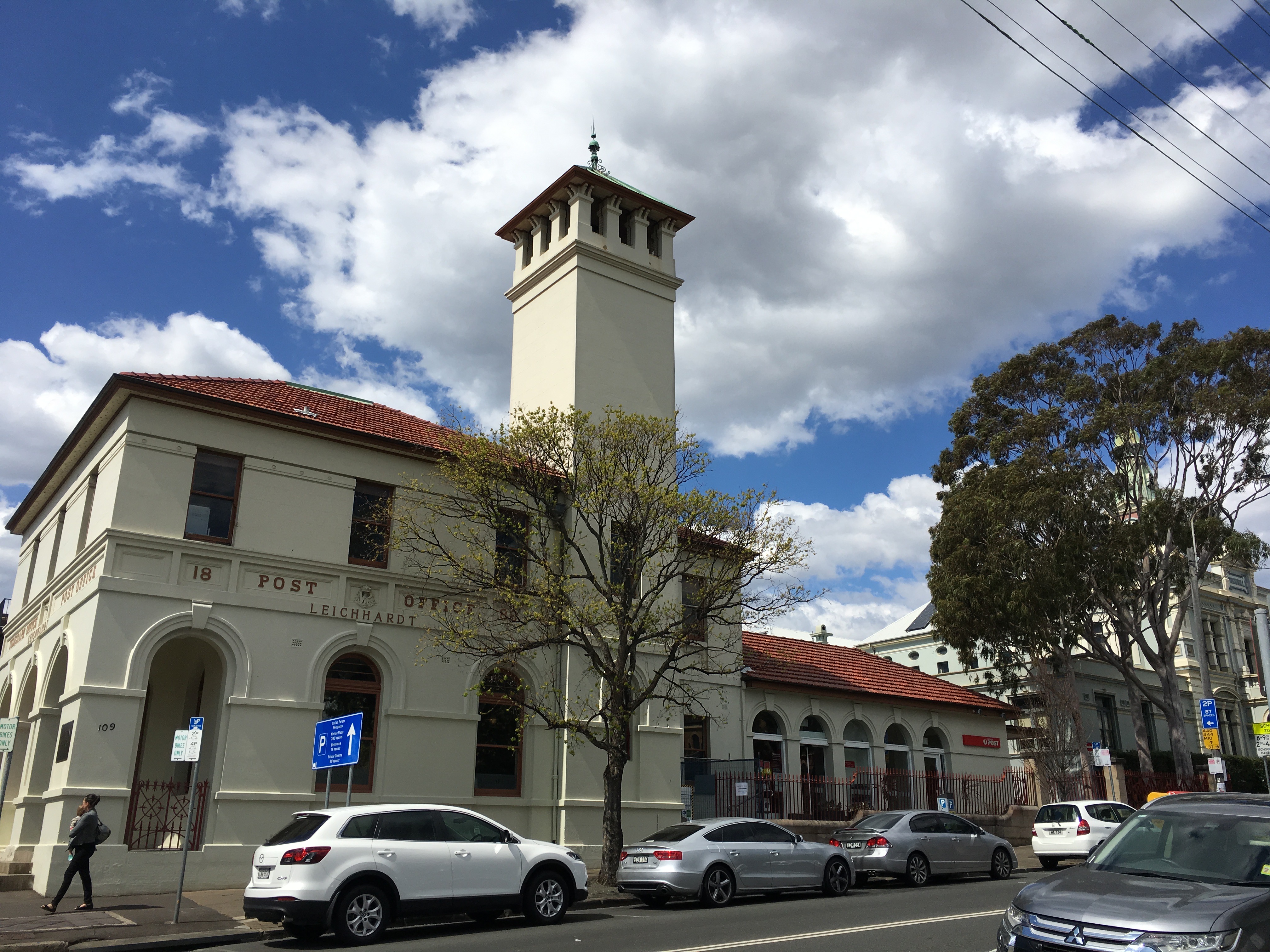
A local grocer, George Purdie, ran the first unofficial post office in Leichhardt, an inner-west suburb of Sydney. Other services provided included money orders and a government savings bank. The permanent building, shown above, was built in 1888 to a Barnet design in Victorian Italianate and Victorian Academic Classical styles. The building was sold in 1992 and postal services moved to a nearby shopping centre, later returning to part of the premises. The last of the five post offices dates from the early 1900s and is in the small central-western town of Wallerawang.

The building shown above was built in 1912 and, like many post offices of the 19th and 20th centuries, included a residence for the Postmaster. Before then, postal services in Wallerawang operated from the new railway station from 1871, and later from various private residences.
From modest premises to grand publicly funded buildings, post offices have often been important landmarks in suburban and rural settings. Many have taken on a different role under private ownership as they became too large for current requirements, or the cost of ongoing maintenance of heritage premises became prohibitive.
For me, these buildings recall a different time, when communications were significantly slower, but no less essential. Norm Hopson has compiled a fascinating collection of old post office photographs and histories; many include postcards of these buildings, another reminder of how influential they were considered at the time.
What are the post offices like in your area? Are they grand architectural statements, or more of a modern convenience?
Photo: top of the former Newcastle Post Office (designed by Walter Liberty Vernon)



Leave a Reply