Gundagai is about half-way between Sydney and Melbourne, and it has been a popular stop for travellers for decades. It is located off the Hume Highway, 390 km south-west of Sydney, and has a population of about 2,000 people. The Wiradjuri are the First Peoples and Traditional Custodians of the lands and waters of the area.
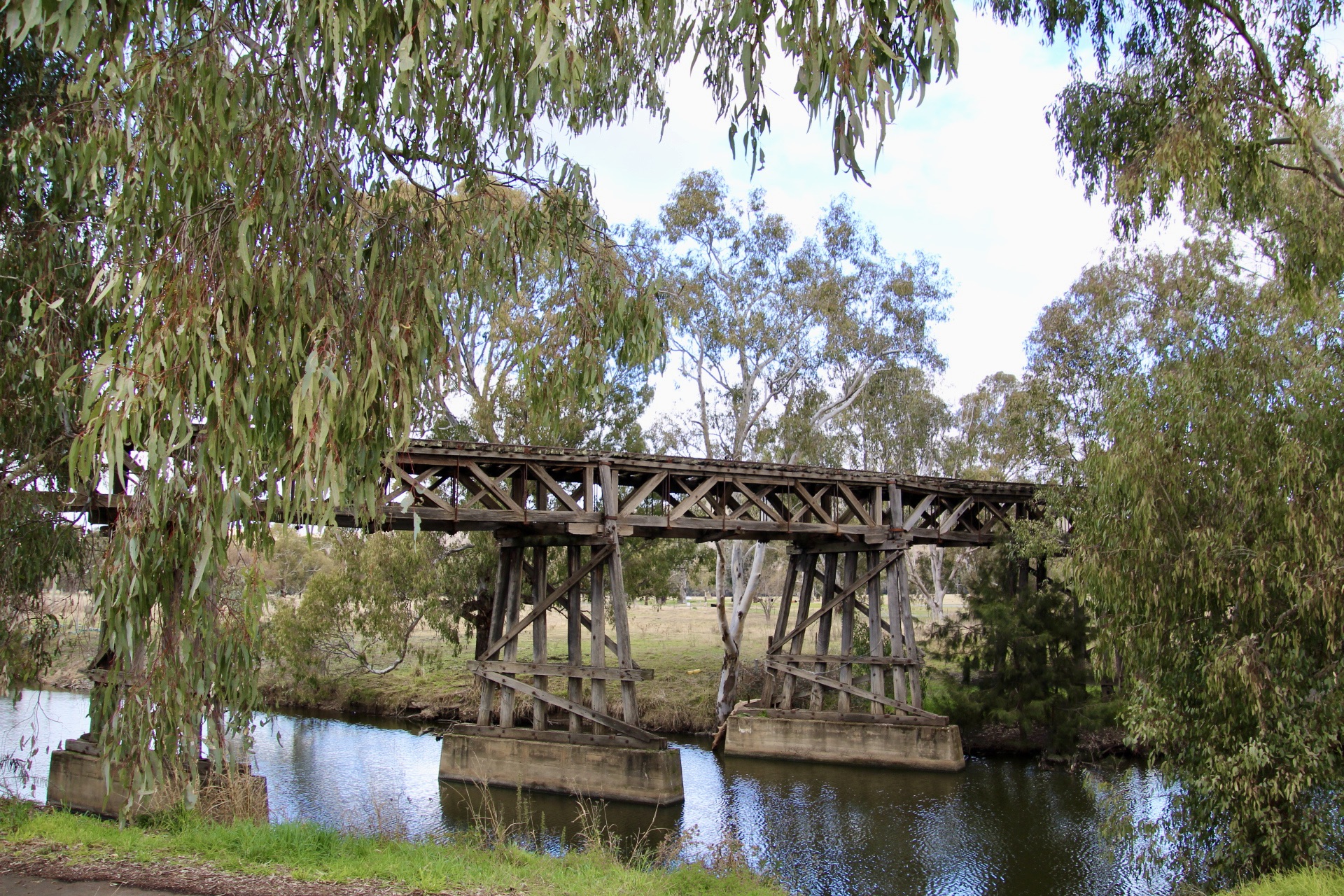
The original township of Gundagai was built on a floodplain of the Murrumbidgee River, despite warnings of major floods from the local indigenous people. A flood in 1852 destroyed the town, with whole buildings being swept away. Between 80 and 100 people died – more than a third of the town’s population at the time – and it remains the deadliest flood in Australia’s recorded history. Four local Wiradjuri men spent days rescuing people trapped in the floodwaters, saving many lives. There is a bronze sculpture of two of the men, Yarri and Jackey, in the main street, and you can read more about the flood and their heroic efforts here.
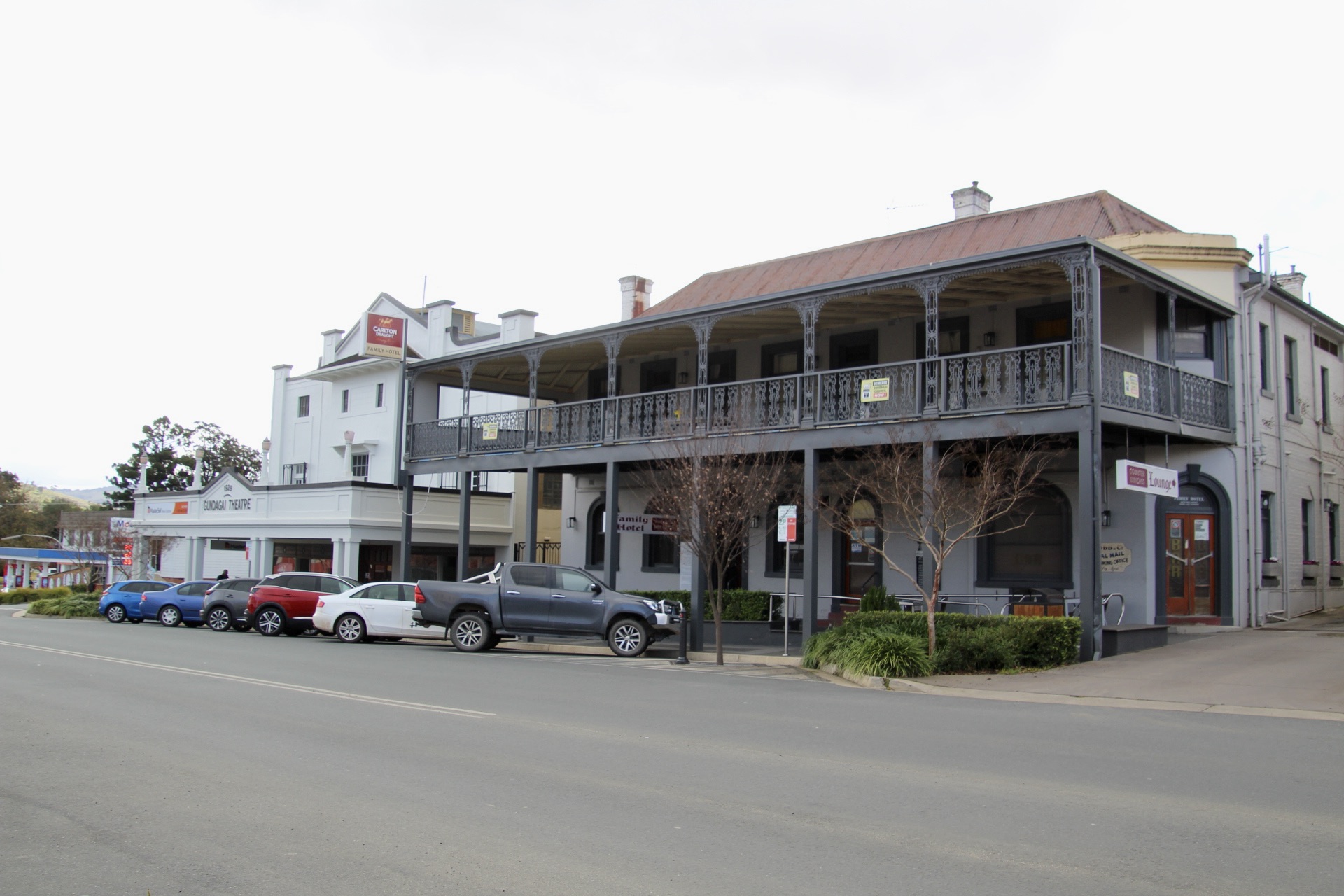
The town was resettled in late 1859 on the slopes of Mount Parnassus. The centre of the town contains various historic buildings, including the Family Hotel (1858) which was originally opened as Fry’s Hotel and was a booking office for Cobb and Co coaches. To the left of the hotel is the Gundagai Theatre; it was built in 1928.
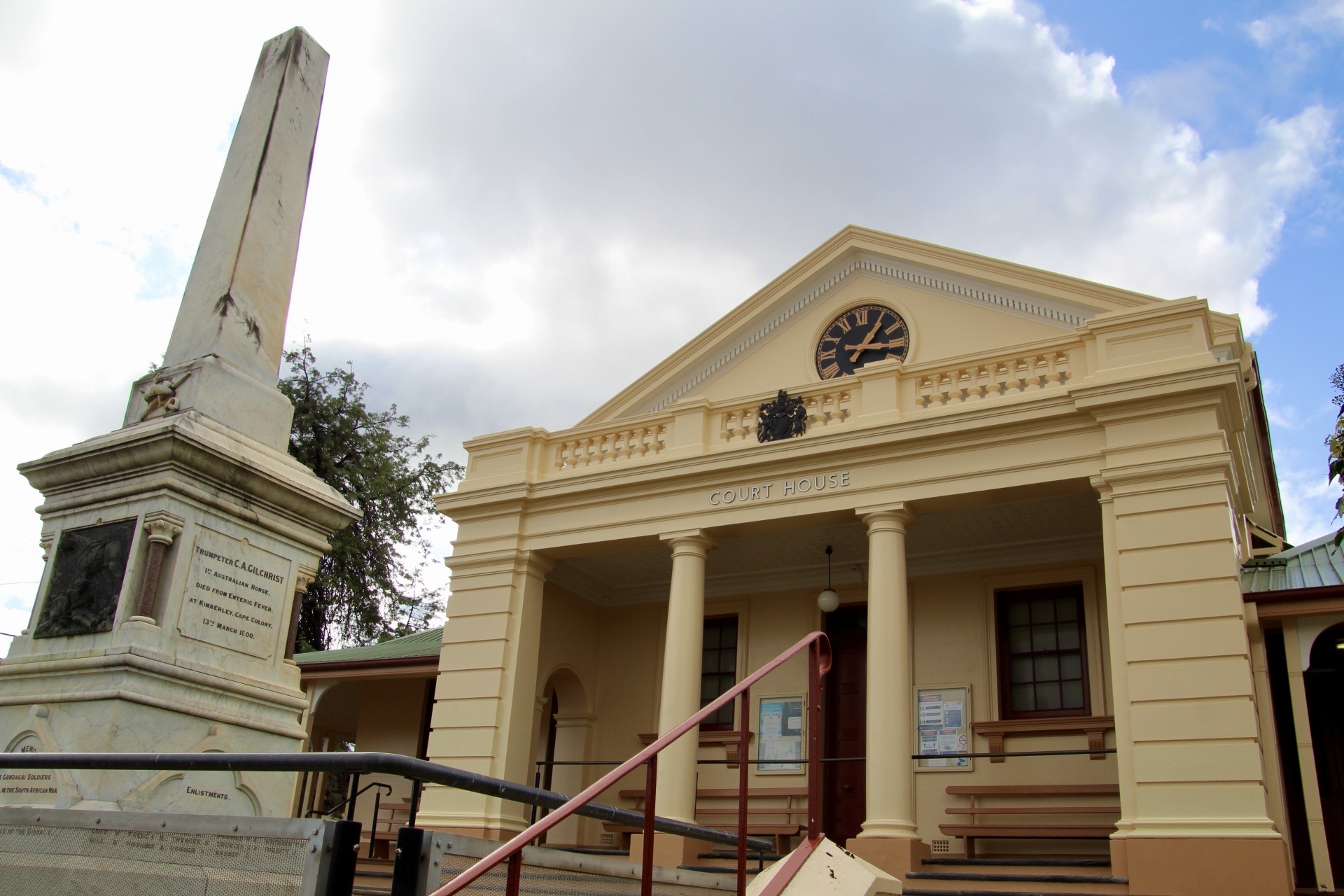
One of the first stone buildings in the relocated town was the courthouse, built in 1859. There is a monument to the soldiers who fought in the Boer War at the front of the building, and an interesting overview of the building and the town’s gold rush history can be found here. Bushranger Captain Moonlite (Andrew George Scott) was tried in Gundagai before being taken to Sydney, where he was hanged in 1880. Scott was buried in an unmarked grave in Rookwood Cemetery. His final wish to be buried near his two friends in the Gundagai cemetery was finally realised in 1995.
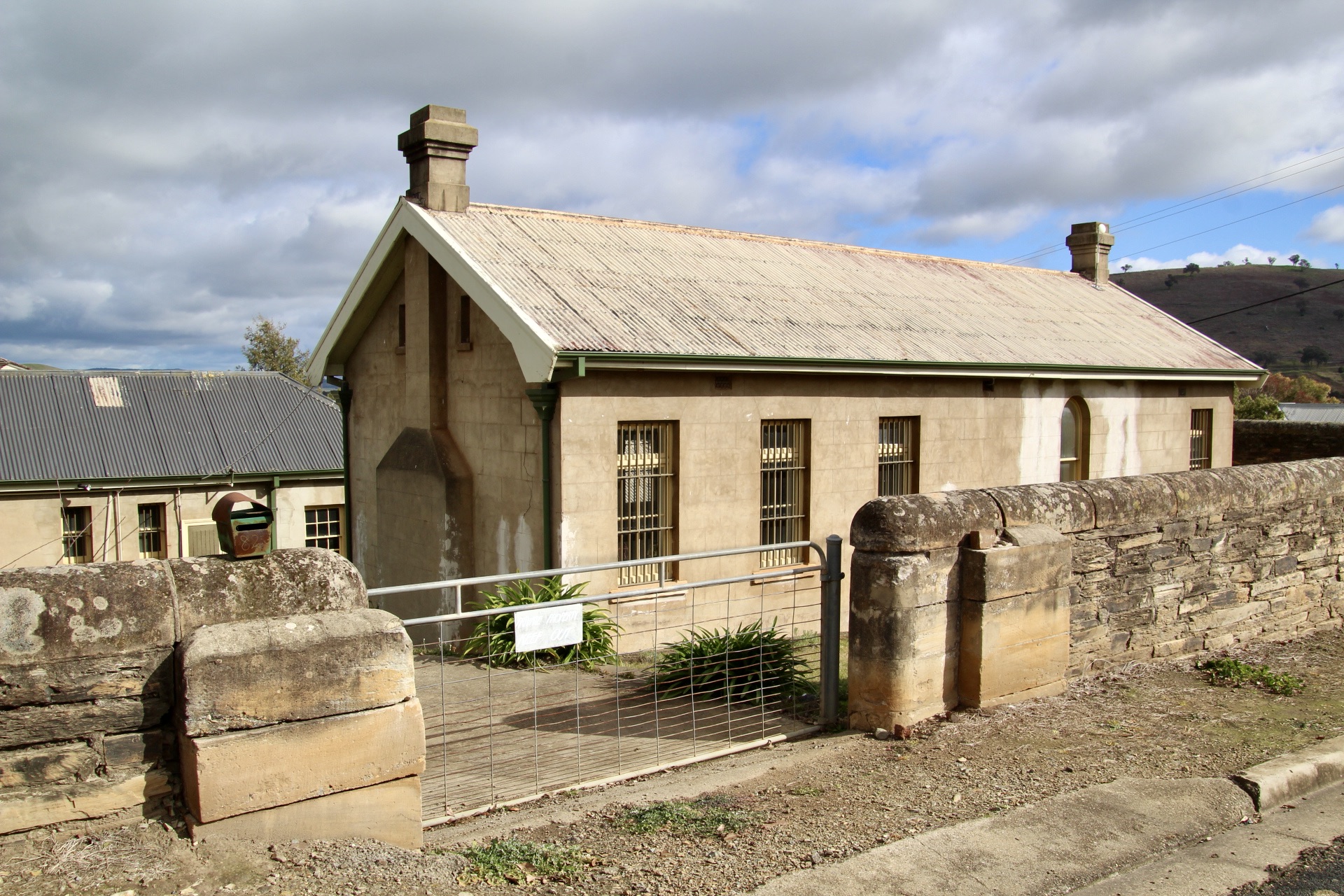
Behind the courthouse is the historic police station and gaol. A watch house was built in the 1860s, and the cell block, residence and wall followed in stages. The gaol could accommodate up to 20 prisoners, and was used for prisoners with short-term sentences, or in transit to other gaols. Common crimes included horse and cattle stealing, larceny, furious riding of horses and using obscene language in public. The gaol closed in 1909, but was in use as a lockup until the 1970s. There are self-guided tours available.
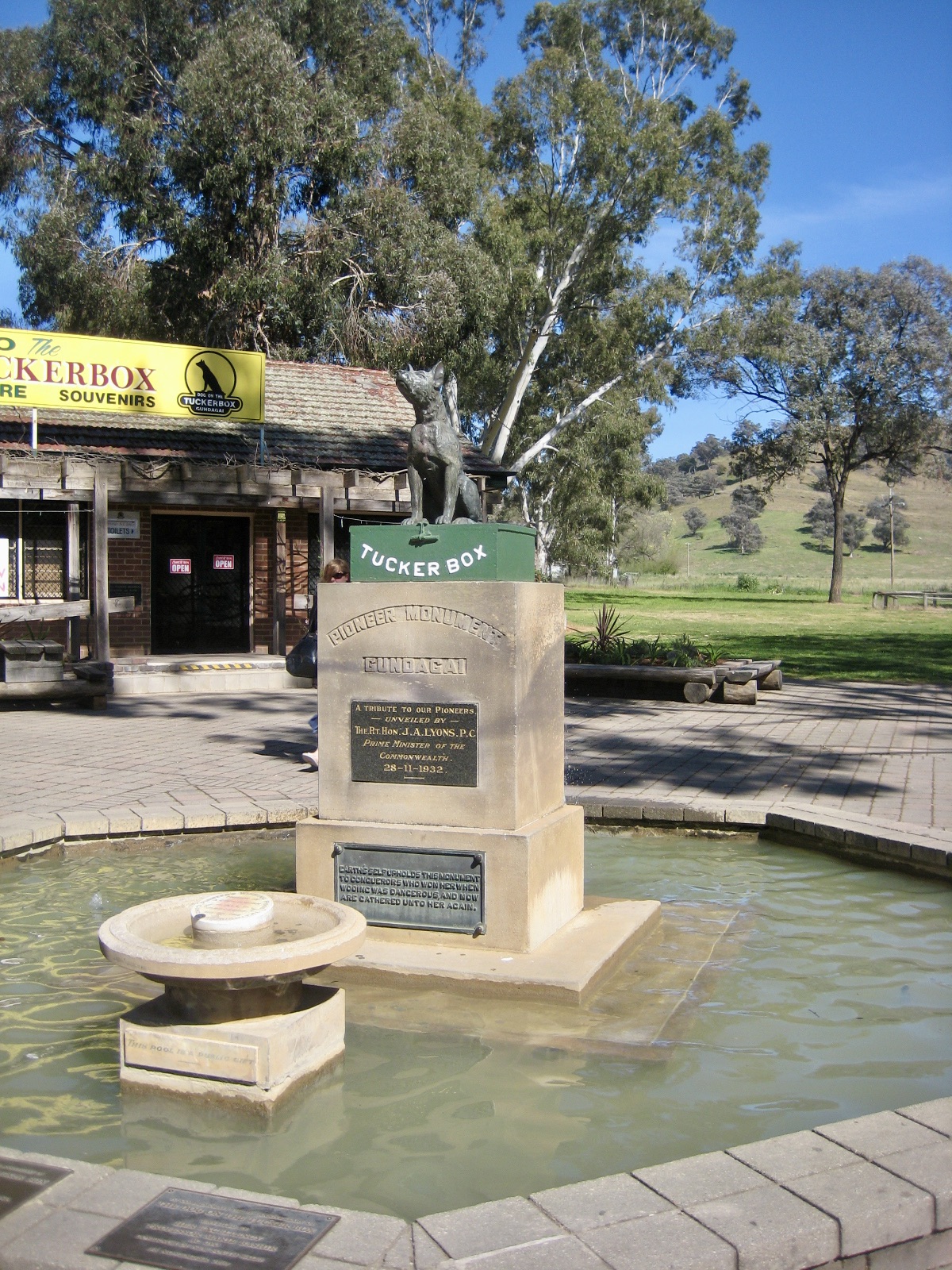
Gundagai has been captured in Australian folklore with a couple of well-known songs. Along the Road to Gundagai was written by Jack O’Hagan in 1922, and in the 1920s Jack Moses wrote Nine Miles from Gundagai. This was based on a ballad from the late 1800s called Bullocky Bill which told of an unlucky bullock driver whose team became bogged outside Gundagai. Things became steadily worse, and to top it off, the dog sat on the tuckerbox so the bullocky couldn’t get to his food. The lyrics were very popular, and in 1932 a statue of the Dog on the Tuckerbox was commissioned for the ‘Back to Gundagai’ celebrations. It remains a popular tourist destination, and there is even a ‘selfie box’ if you can convince your dog to sit still long enough for a photo. You can also read The True Story of Gundagai’s Dog on the Tuckerbox: it offers interesting insights into the evolution of the tourist attraction.
With its rich history, Gundagai is well worth a visit.
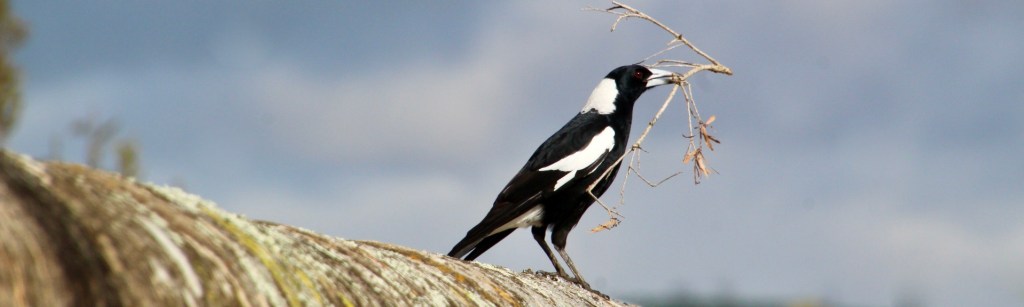
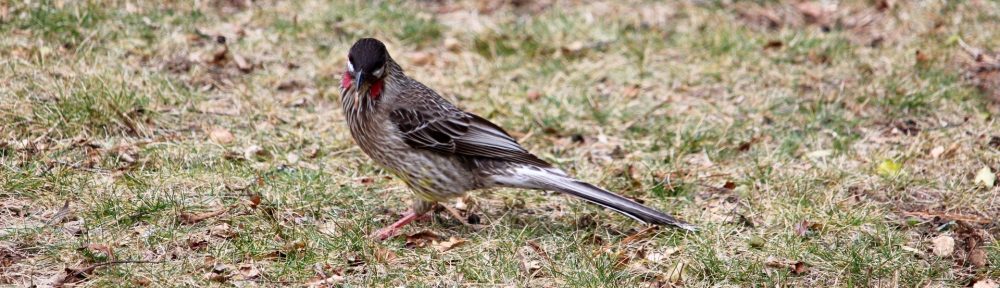
Photo: magpie atop the Old Gundagai Gaol wall




 jml297
Leave a reply to whisperinggums Cancel reply