
On my travels, I usually try to track down the railway station in country towns. Many were constructed during the boom period from the 1860s onwards, and many historic stations date from this period through to the 1890s.
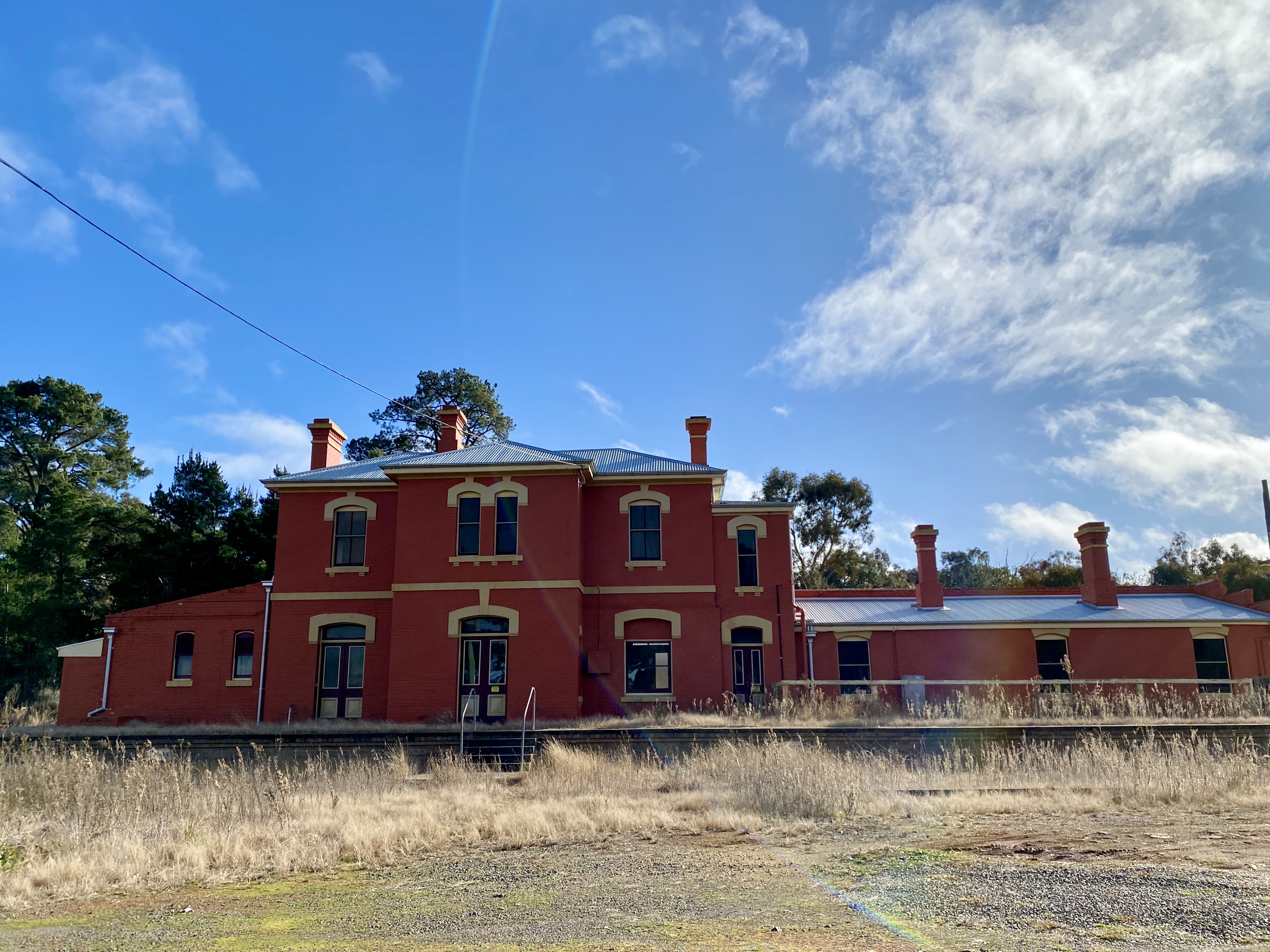
For smaller towns, the arrival of the railway often represented a significant economic boost, as well as a lifeline to other towns and major centres. Bowning Railway Station, shown above, was opened in 1876 and continued providing passenger services on the Main Southern Line from Sydney until the 1990s. It is similar to the station at Yass Junction, and is now used as a private residence.
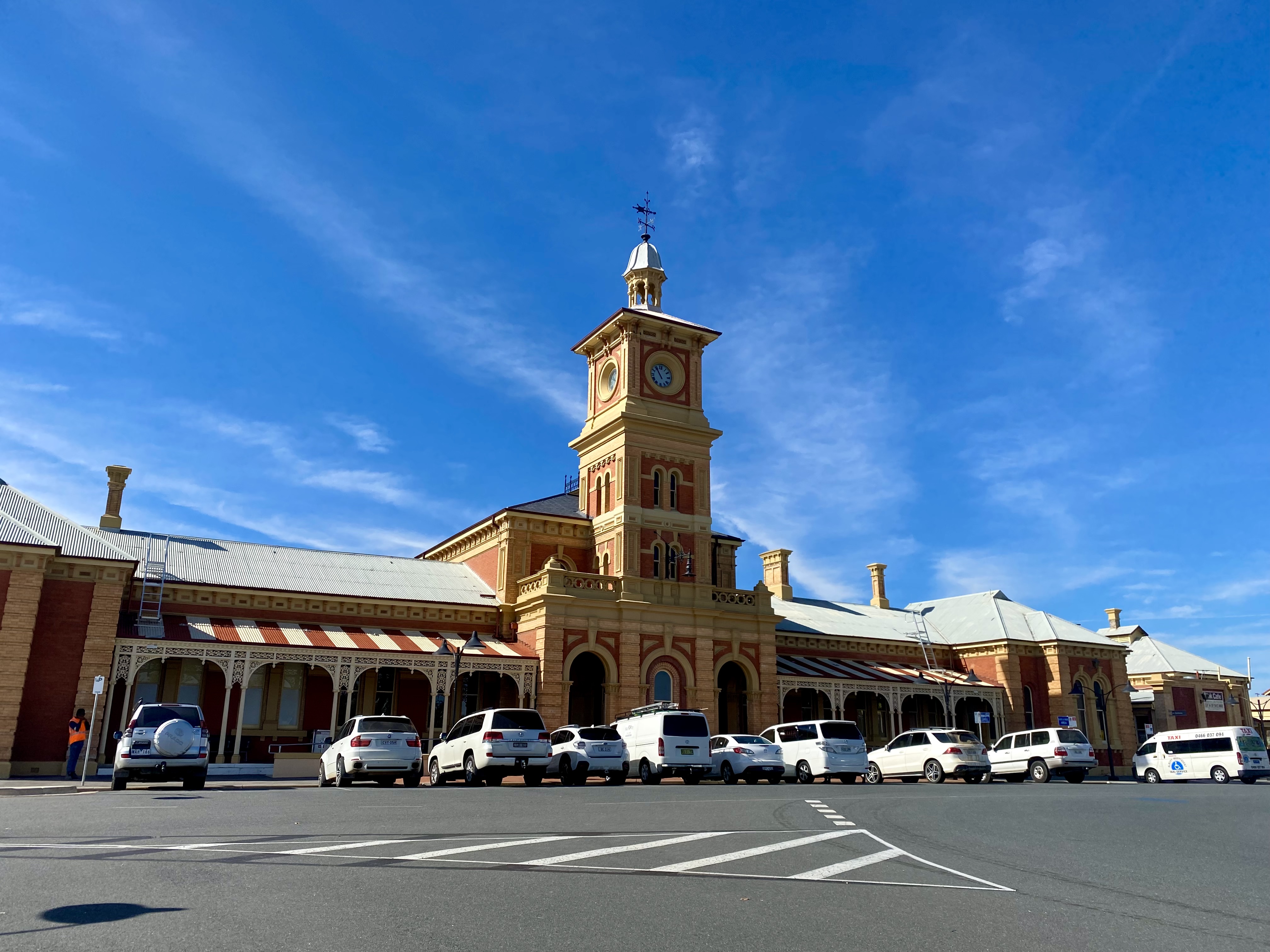
In larger regional centres, such as Albury, there was a sense of grandeur to the design of the station. Built in 1881 in the Victorian Italianate style, it highlighted the importance of Albury and its location on the border with Victoria meant this was where passengers and goods transferred from one train and railway gauge system to another. When it was built, the railway platform was the longest in the country to accommodate the changeover.
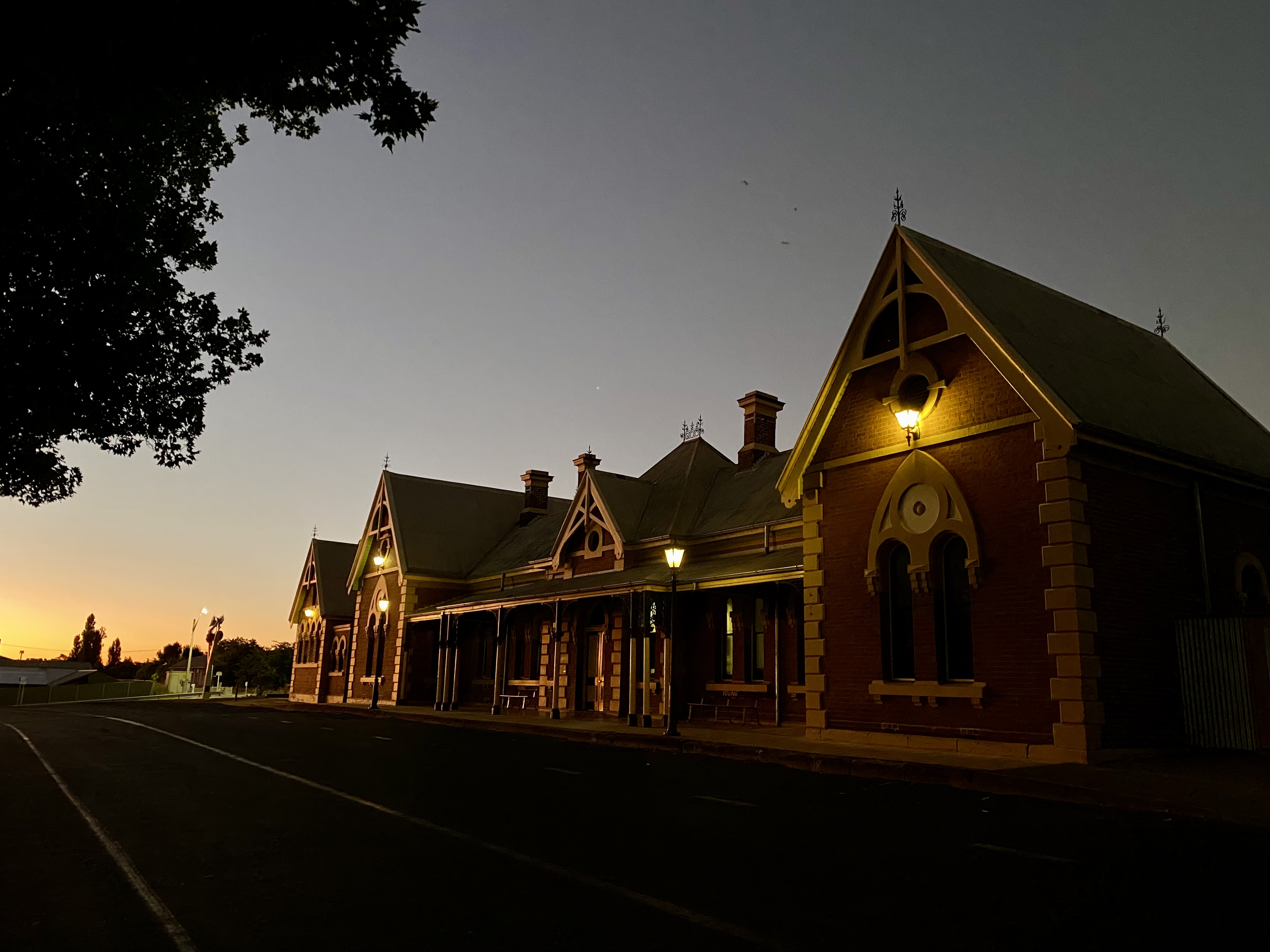
Similar to the station at Bowning, the railway station at Young is no longer used for passenger services. The station, which opened in 1885, is now the Young Visitor Information Centre. Similar to the old railway station complex at Blayney, the building has been repurposed and continues to play an important role in community life.
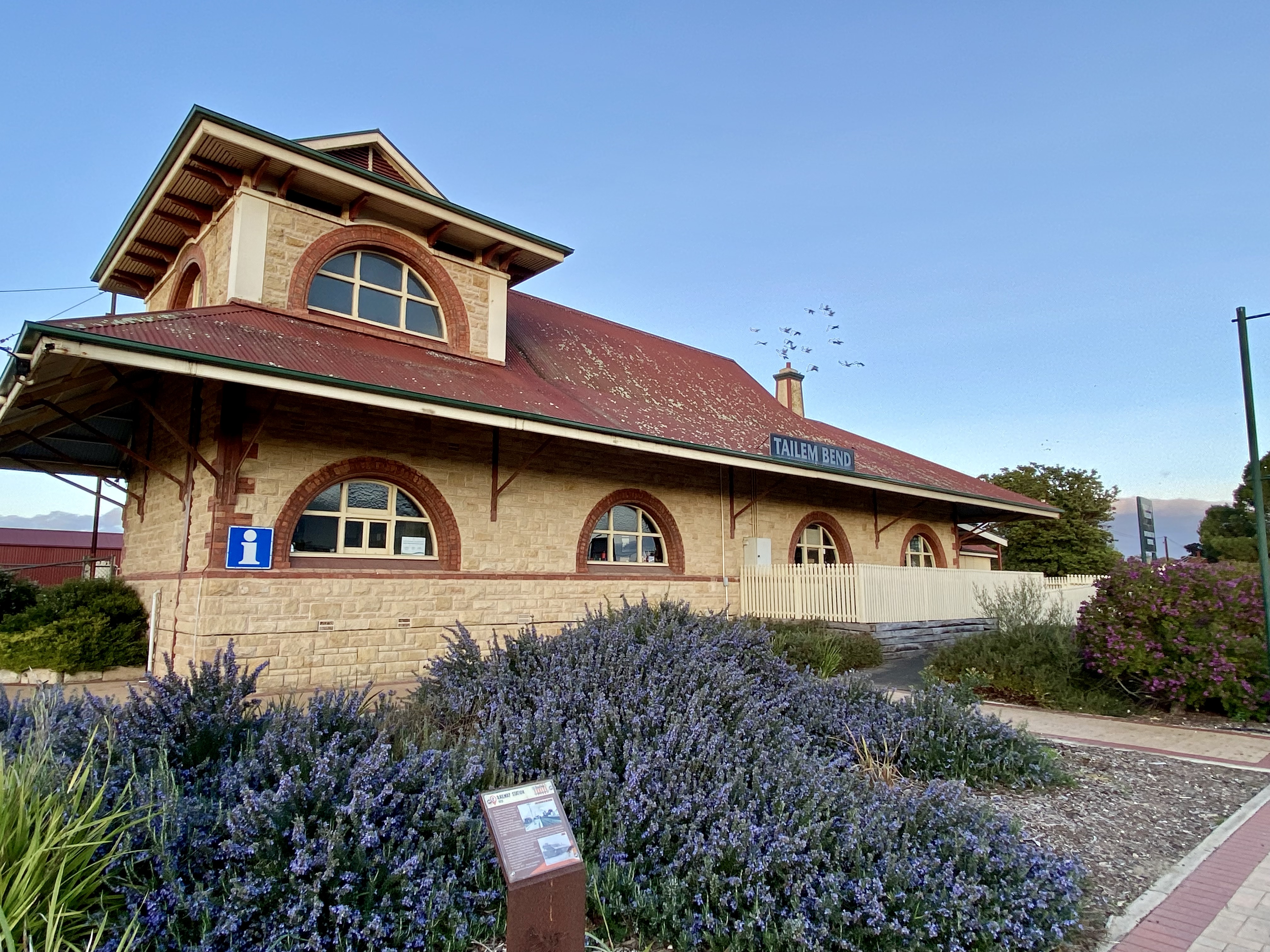
Although I didn’t get a chance to stop and visit the Tailem Info Station on the way past, the Tailem Bend railway station in South Australia is a now visitor information outlet and a rail museum. It was built in 1913, and represents the town’s importance as a hub for the local railways.
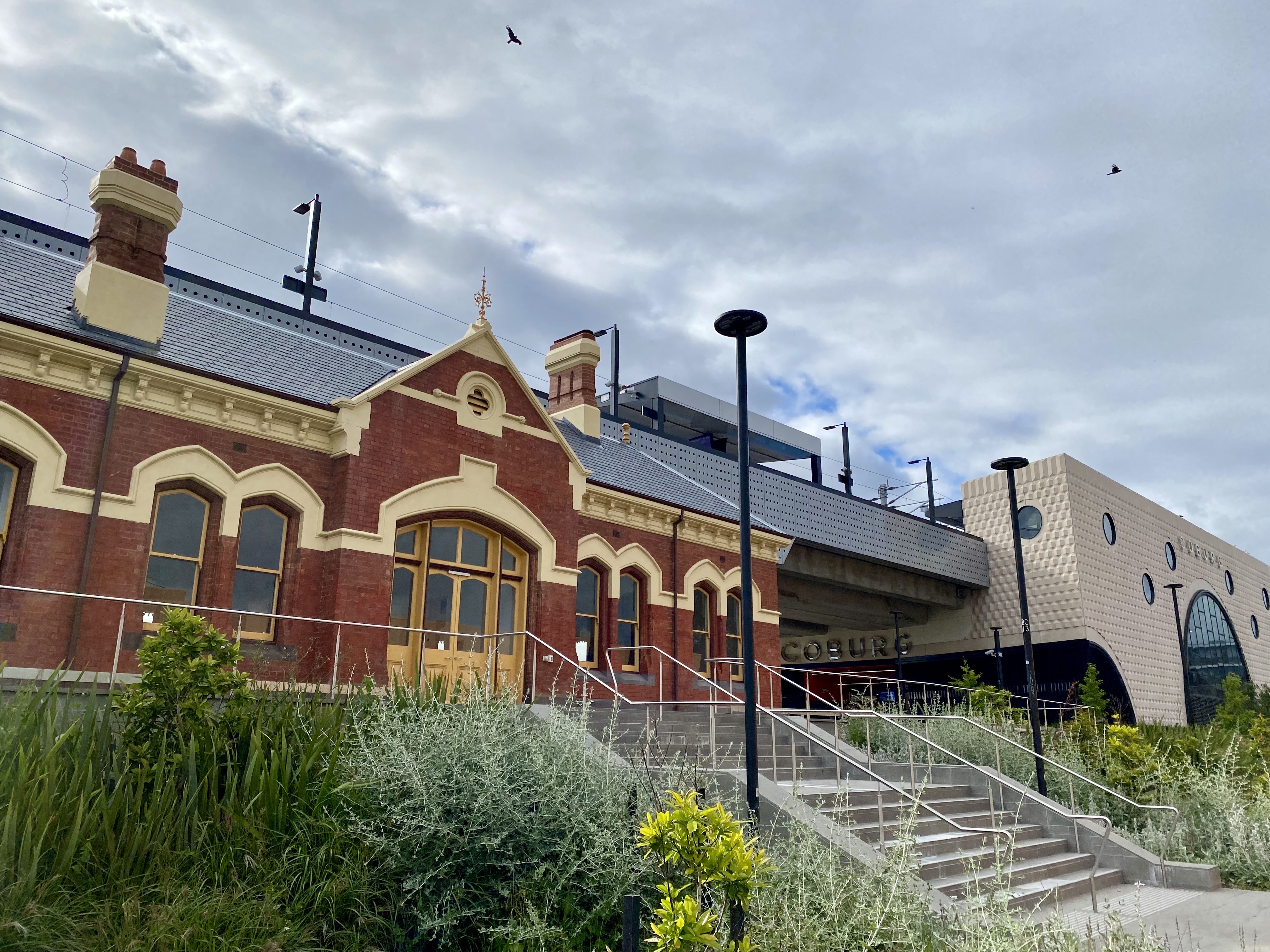
An interesting blend of old and new railway stations can be seen at the Coburg railway station in the northern suburbs of Melbourne. The new elevated station opened in late 2020, replacing the old station.
Have you come across any railway stations in your travels?
Photo: Oberon Railway Station, now home to the Oberon Tarana Heritage Railway





Leave a Reply