
Nestled in the northwest of New South Wales, Narrabri is approximately 577 kilometres north of Sydney. Situated in the fertile Namoi River Valley at the confluence of the Namoi River and Narrabri Creek, the town shares similarities with its nearby neighbour Moree, about an hour’s drive away. Narrabri thrives on a diverse range of agricultural activities, including wheat, lamb, beef and cotton.
The Gamilaroi people, also known as Kamilaroi, are the traditional custodians of this land. The name Narrabri is believed to originate from a Kamilaroi word meaning “forked waters”.
This post, presented through five photographs, delves into how Narrabri’s built environment reflects its rich history, prosperity and vibrant community life.
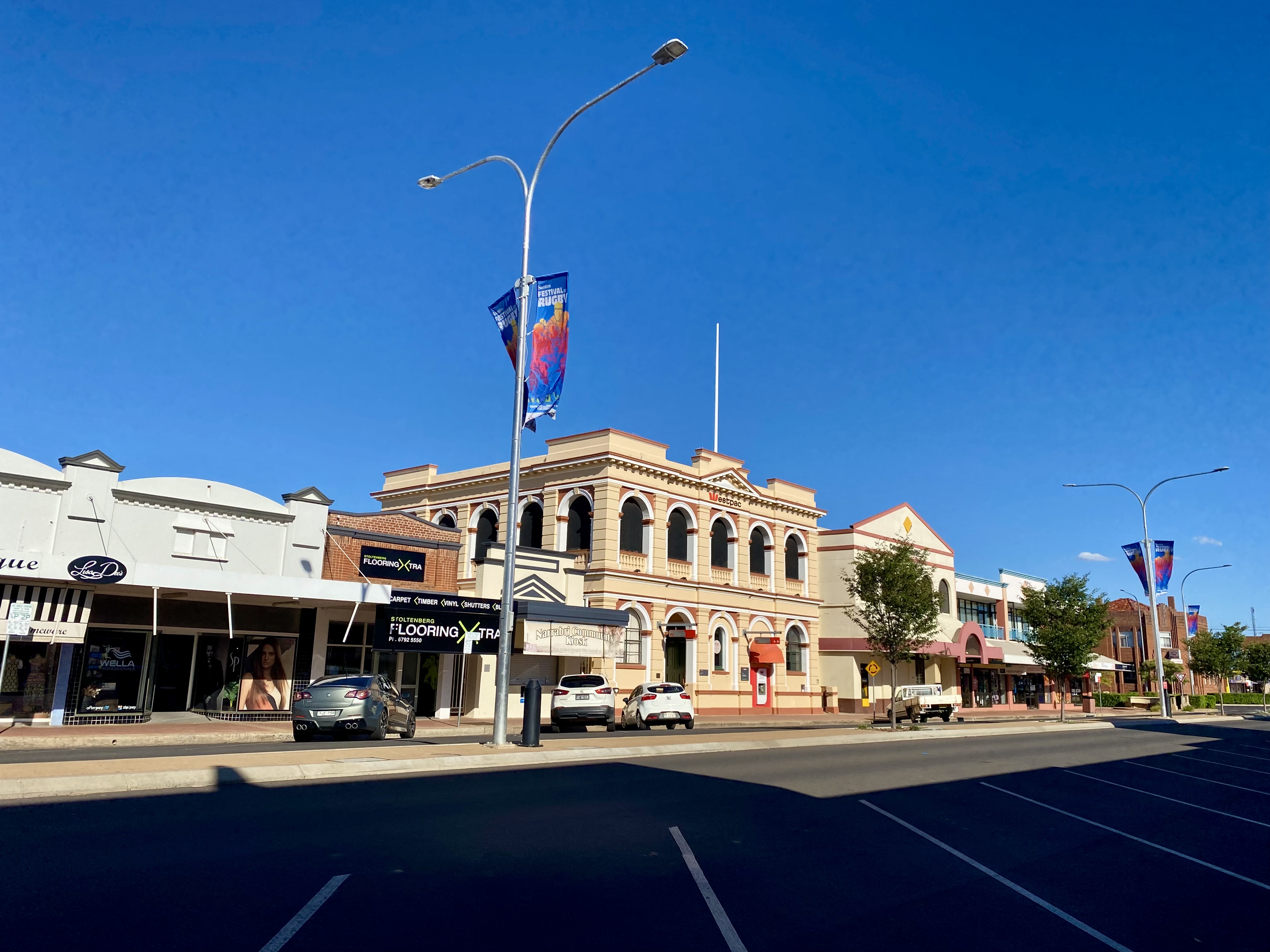
Most of the original town buildings are located on Maitland Street, Dewhurst and Bowen Streets. Explorer John Oxley first arrived in the area around 70 kilometres south, noting the Nandewar Ranges. The first squatting run in the district began in 1834, and the property was initially named “Nurrabry”. The first hotel was licensed in 1858, and the town was officially proclaimed in 1860. The 1880s saw the town flourish, and some civic buildings from that era still stand today including several designed by the Colonial Architect Office under James Barnet.
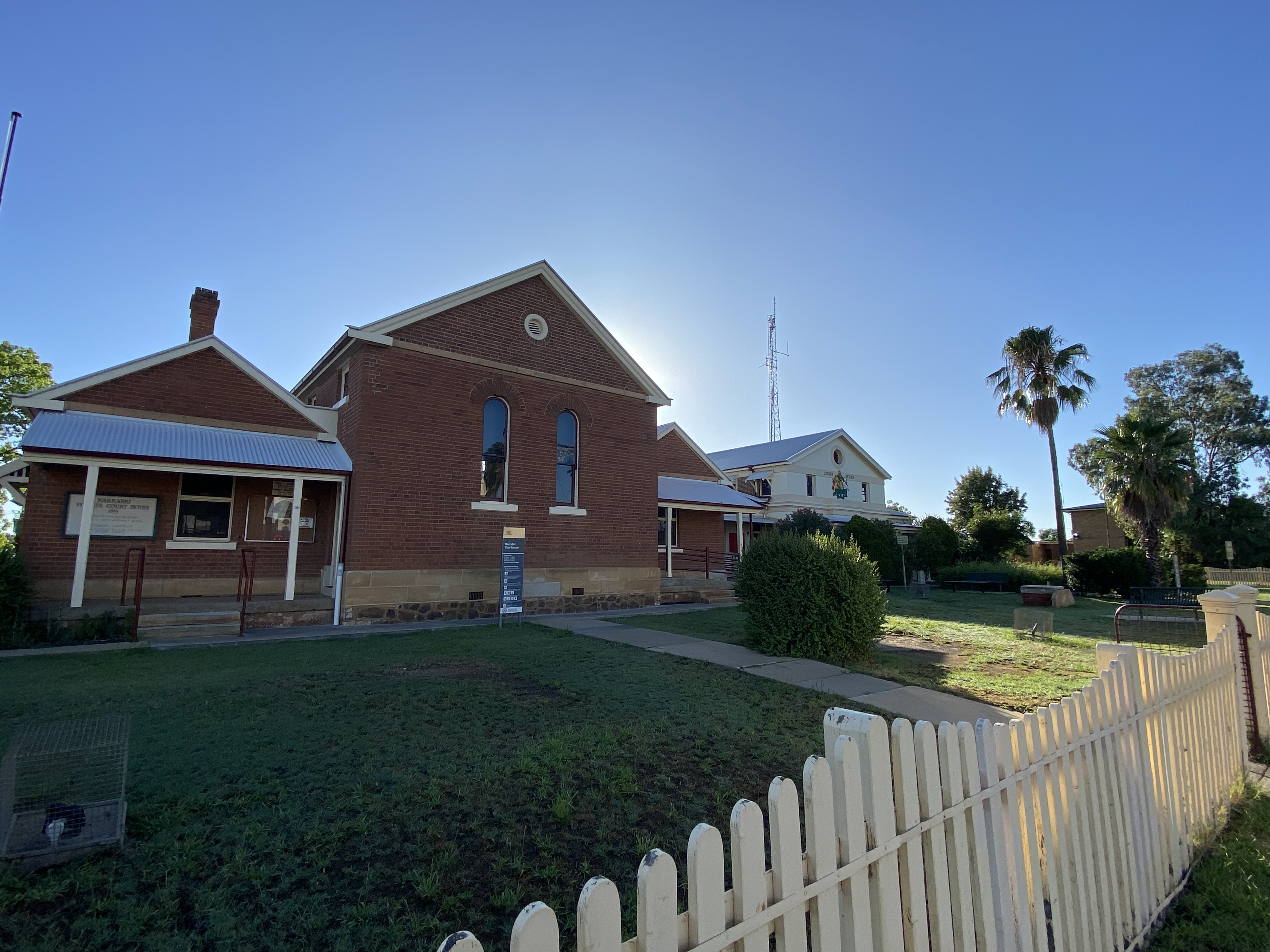
Over time, many towns built more than one courthouse, but Narrabri still boasts both. The first courthouse, designed by Colonial Architect James Barnet and constructed in 1865, featured a lockup and remains in use today, housing the Office of the Local Court.
The second courthouse, also designed by Barnet, was built between 1886 and 1888. The first Court of Petty Sessions in Narrabri convened in February 1863, primarily handling sheep and cattle thefts.
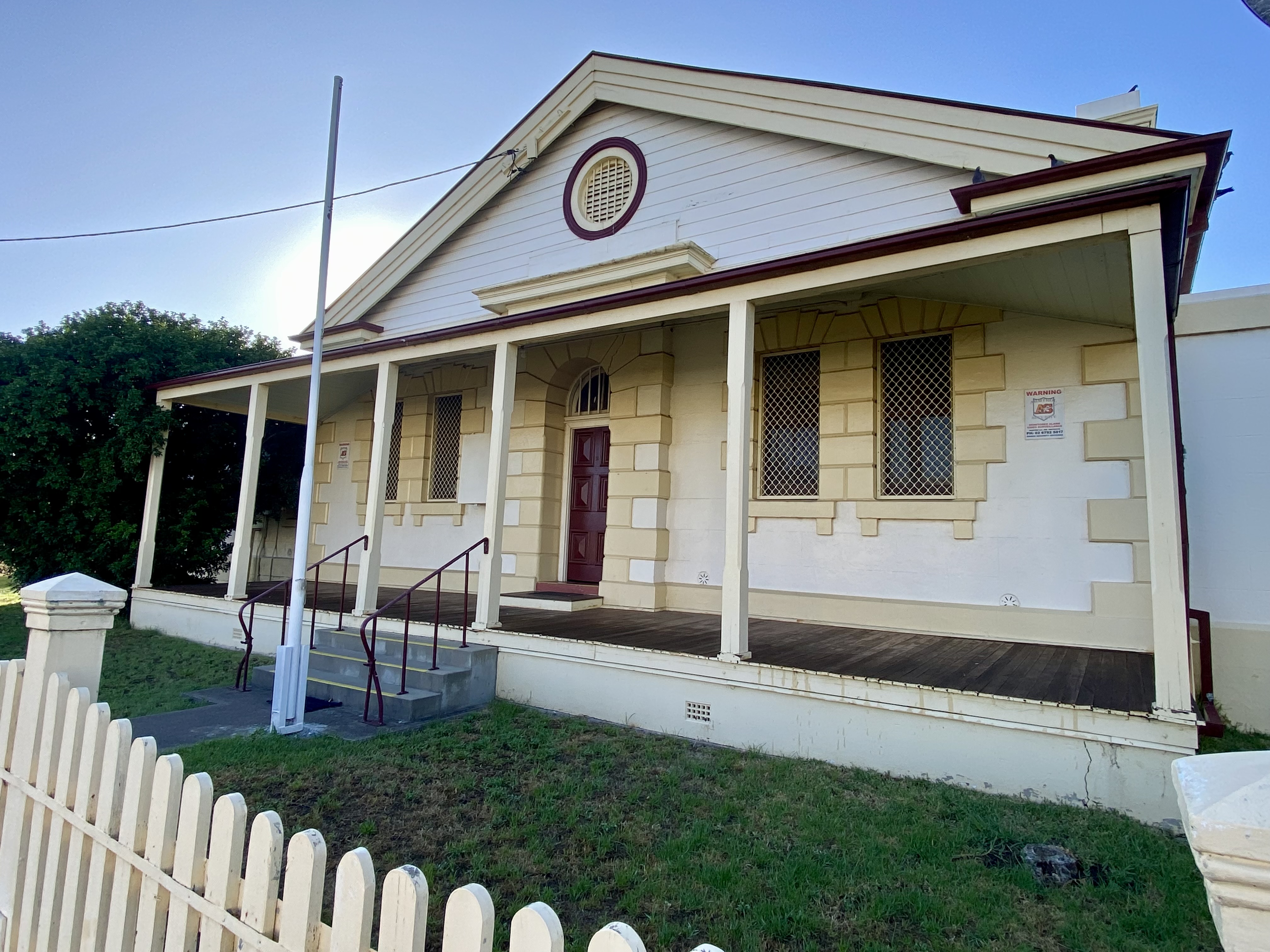
The 1865 courthouse’s two lockups could accommodate up to six people, with an extension in 1875 increasing capacity to two additional prisoners. However, in late 1877, several escapes and a surge in prisoners led to further accommodation requests.
The Narrabri Gaol, also designed by Barnet, was constructed between 1880 and 1881. Opened in 1882, it operated as a gaol until 1982, housing over 40 prisoners. Today, it stands as the Narrabri Old Gaol and Museum, home to the Narrabri Historical Society since 1988. An article on Storyplace delves into the site’s history, highlighting a matchstick tray created by an inmate that reflects changing attitudes towards prisoner reform over the decades.
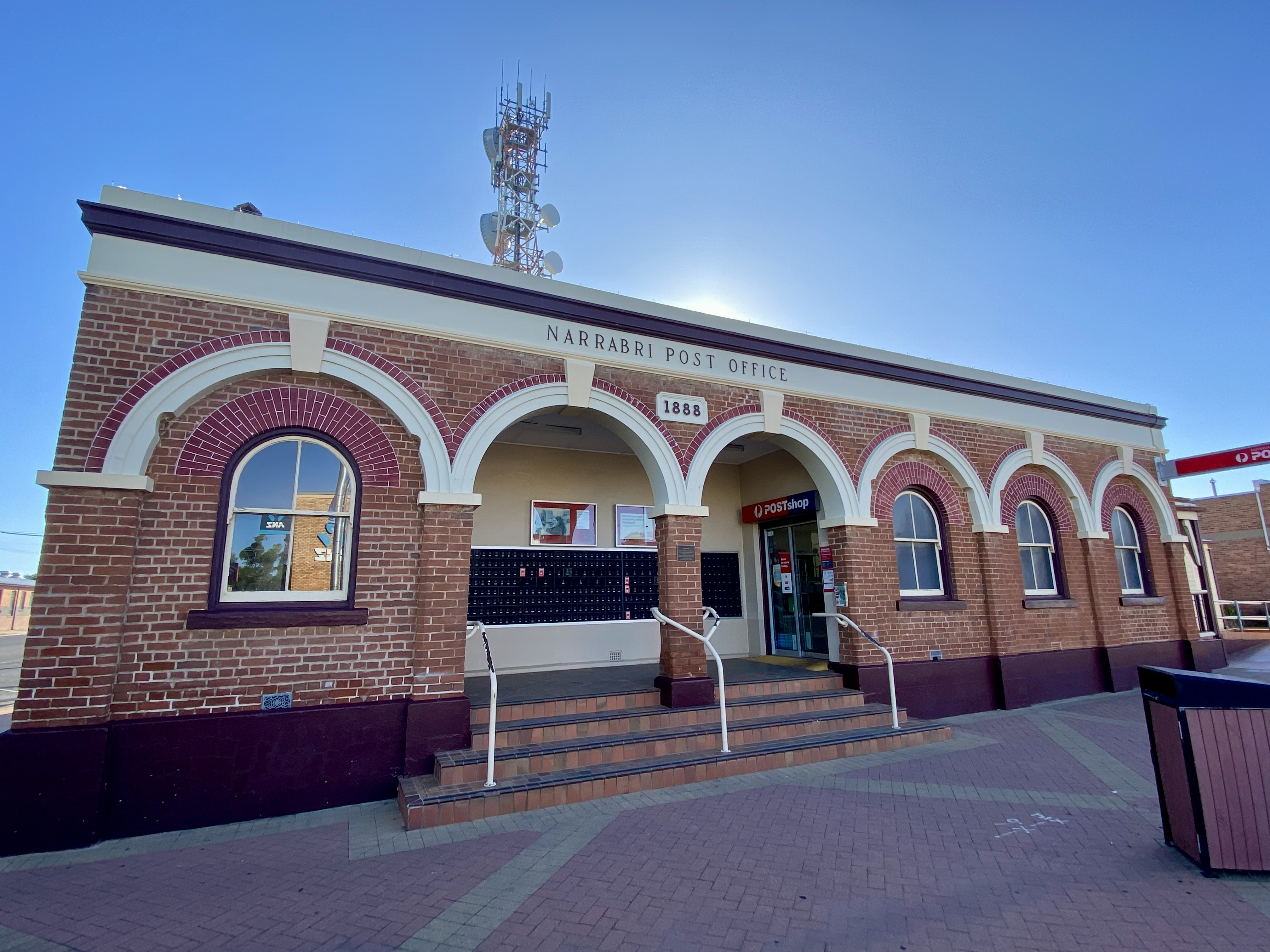
Narrabri’s first post office opened on 1 June 1861. The building pictured above was constructed in 1888 to a design by Barnet featuring four arches. Two more were added in 1916. It remains a significant civic building on Maitland Street, reflecting the town’s importance in the region.
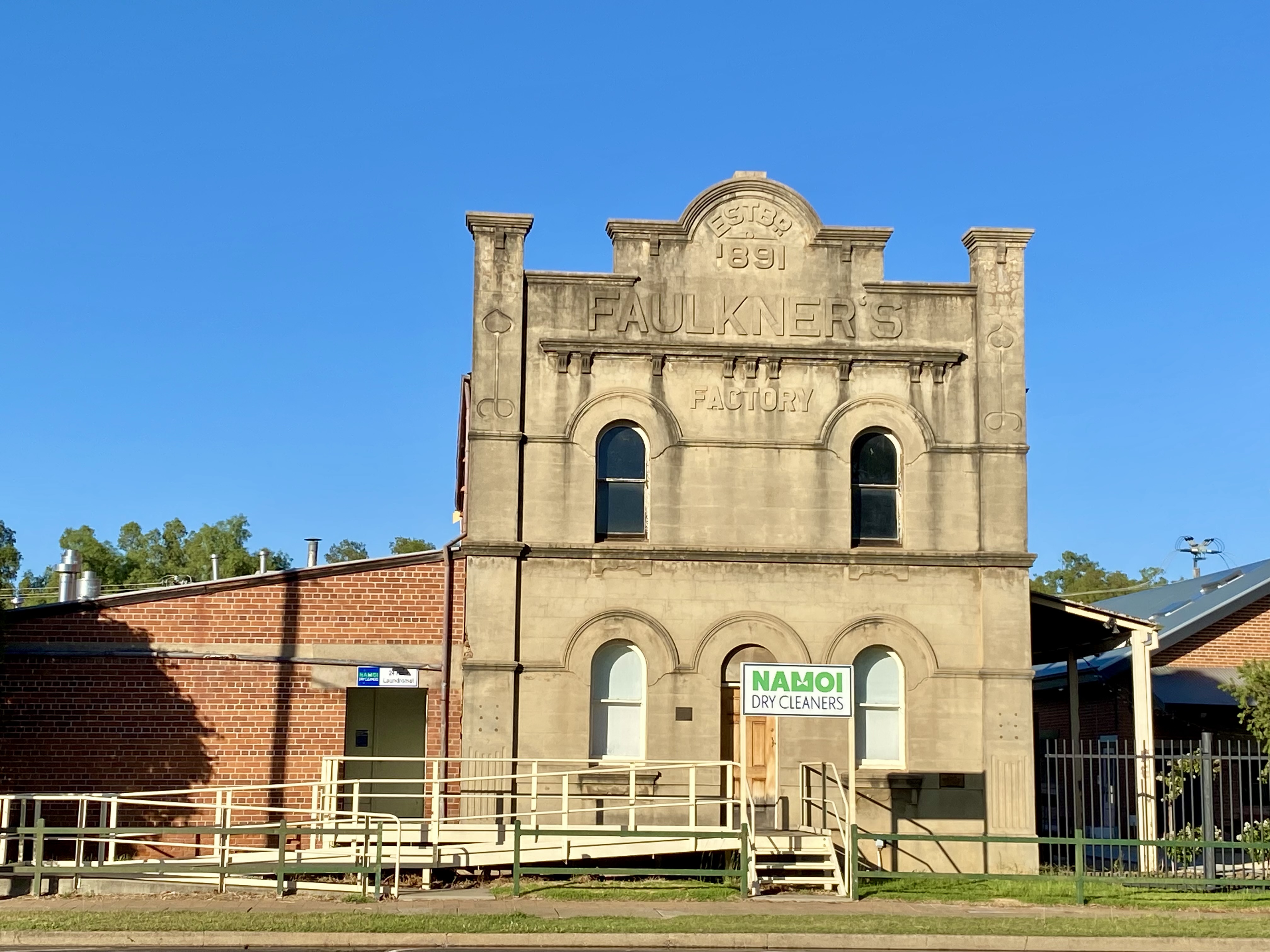
Cordial factories were a staple of many towns and cities from the mid-1800s to the mid-1900s. They offered a range of medicinal and fruit-based cordials, using local herbs, fruits and mineral waters. In a warm climate, they were a popular way to stay hydrated. The Faulkner Cordial Factory and Ice Works, established in 1891, produced ice cordials and fizzy drinks well into the twentieth century. Articles on Storyplace discuss bottles from the factory and Septimus Faulkner. The building above was Faulkner’s second cordial factory.
Narrabri is a town steeped in heritage, with many attractions detailed on the Explore Narrabri Region website. Have you explored Narrabri?
Photo: Sorghum crop on the road to Narrabri with the Nandewar ranges in the background




Leave a Reply