
Lake Wallace is a popular recreational area in the Central Tablelands of New South Wales. Created in 1978 as a cooling pond for the Wallerawang Power Station, the lake began as part of an industrial landscape. The coal‑fired power station, built in the 1950s, supplied electricity from 1957 until its closure in 2014, and was ultimately demolished in 2021.
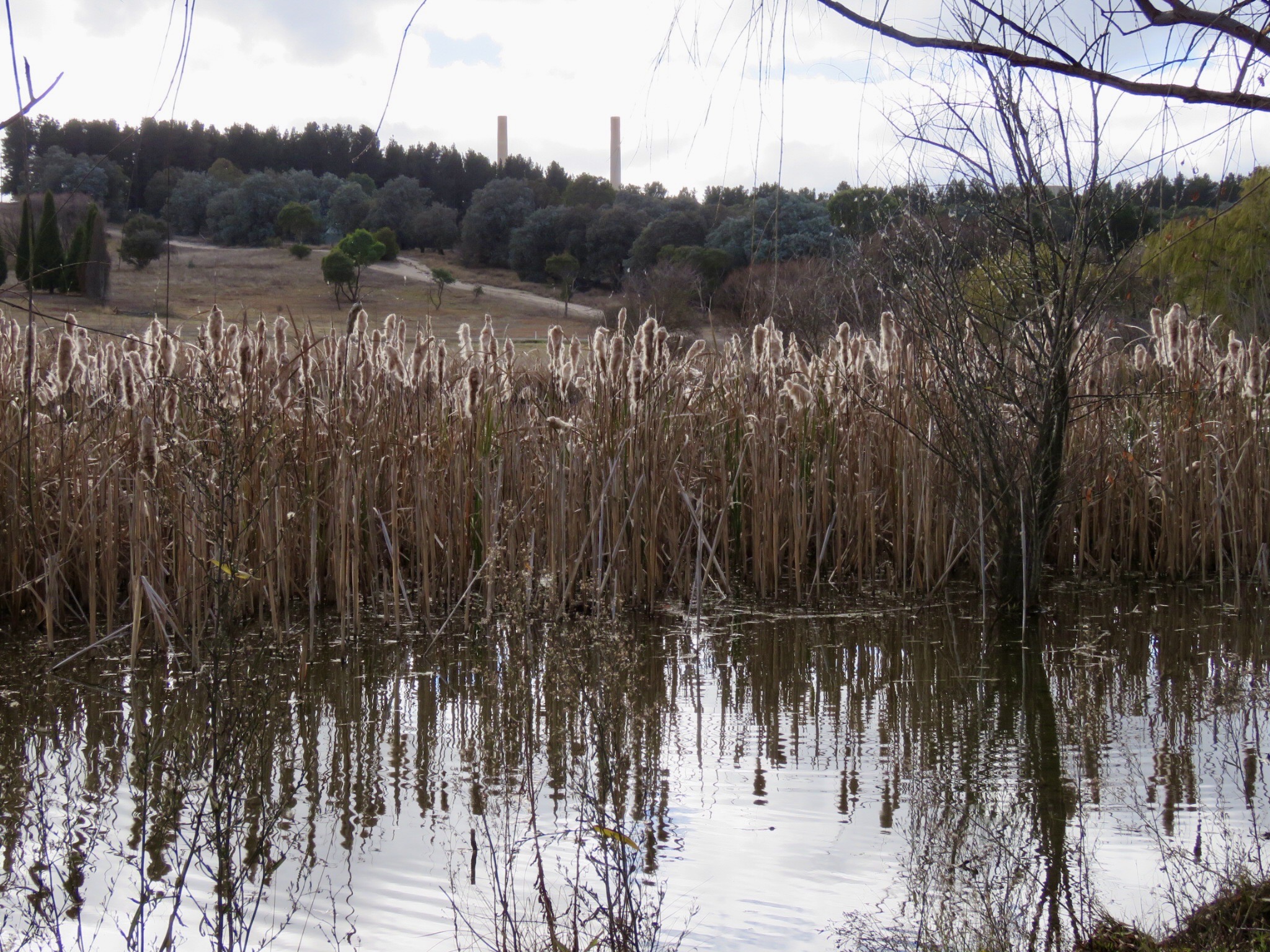
Wallerawang lies approximately 150 kilometres north‑west of Sydney, beyond Lithgow on the western side of the Blue Mountains. The name Wallerawang comes from the Wiradjuri language and is commonly interpreted as meaning “plenty of water” or “a place near wood and water”. Today, Lake Wallace is just a ten‑minute walk—or a two‑minute drive—from the Wallerawang shopping centre, making it easily accessible to both locals and visitors.
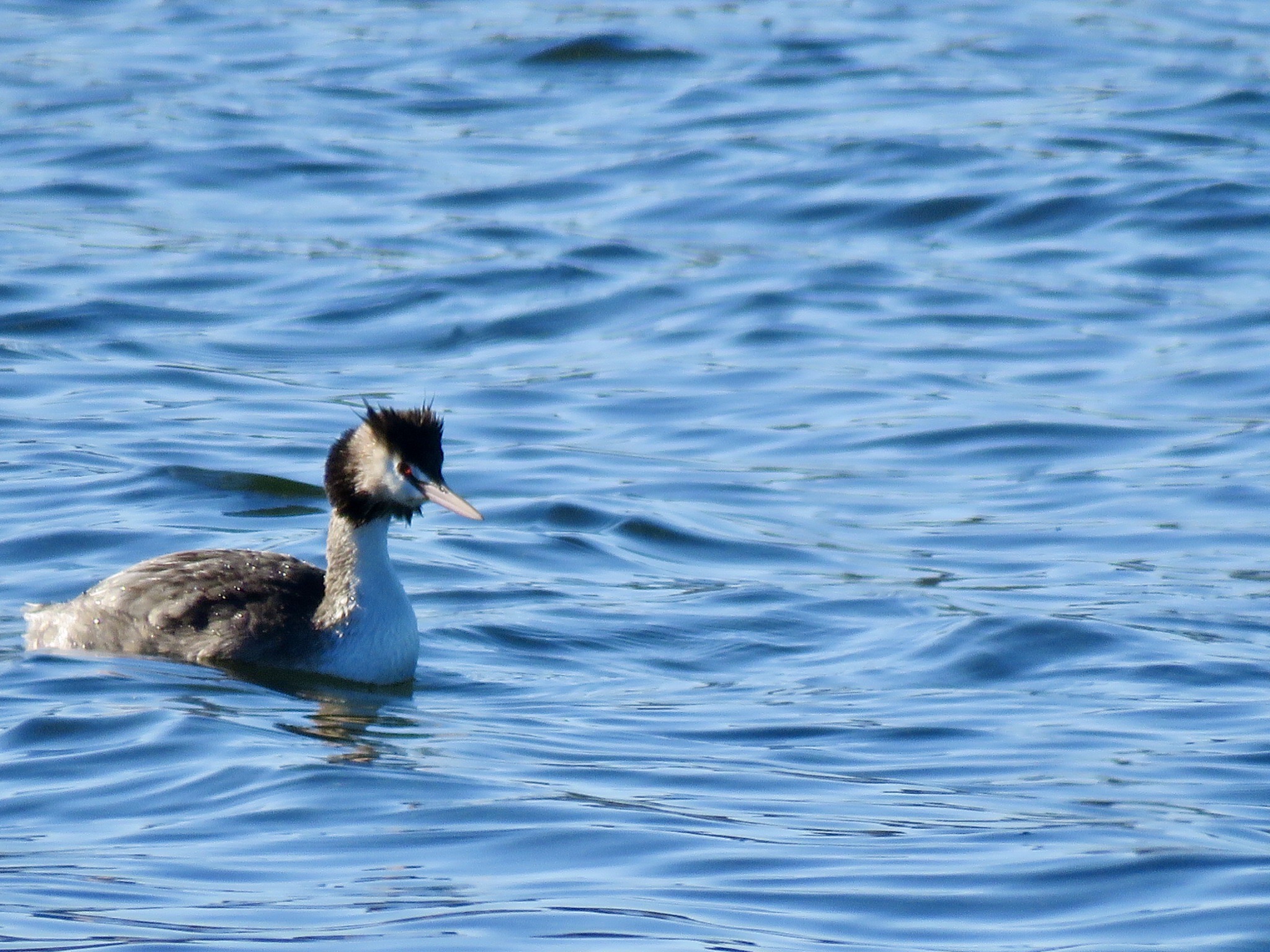
The lake campground is especially popular, offering free camping with a 48‑hour limit. Facilities include a playground, an off‑leash dog area, and a fishing pontoon. The lake is regularly used for picnicking, sailing and fishing, particularly for trout and bass. Nearby are a baseball field with amenities, the Wallerawang Sailing Club, and a public boat ramp.
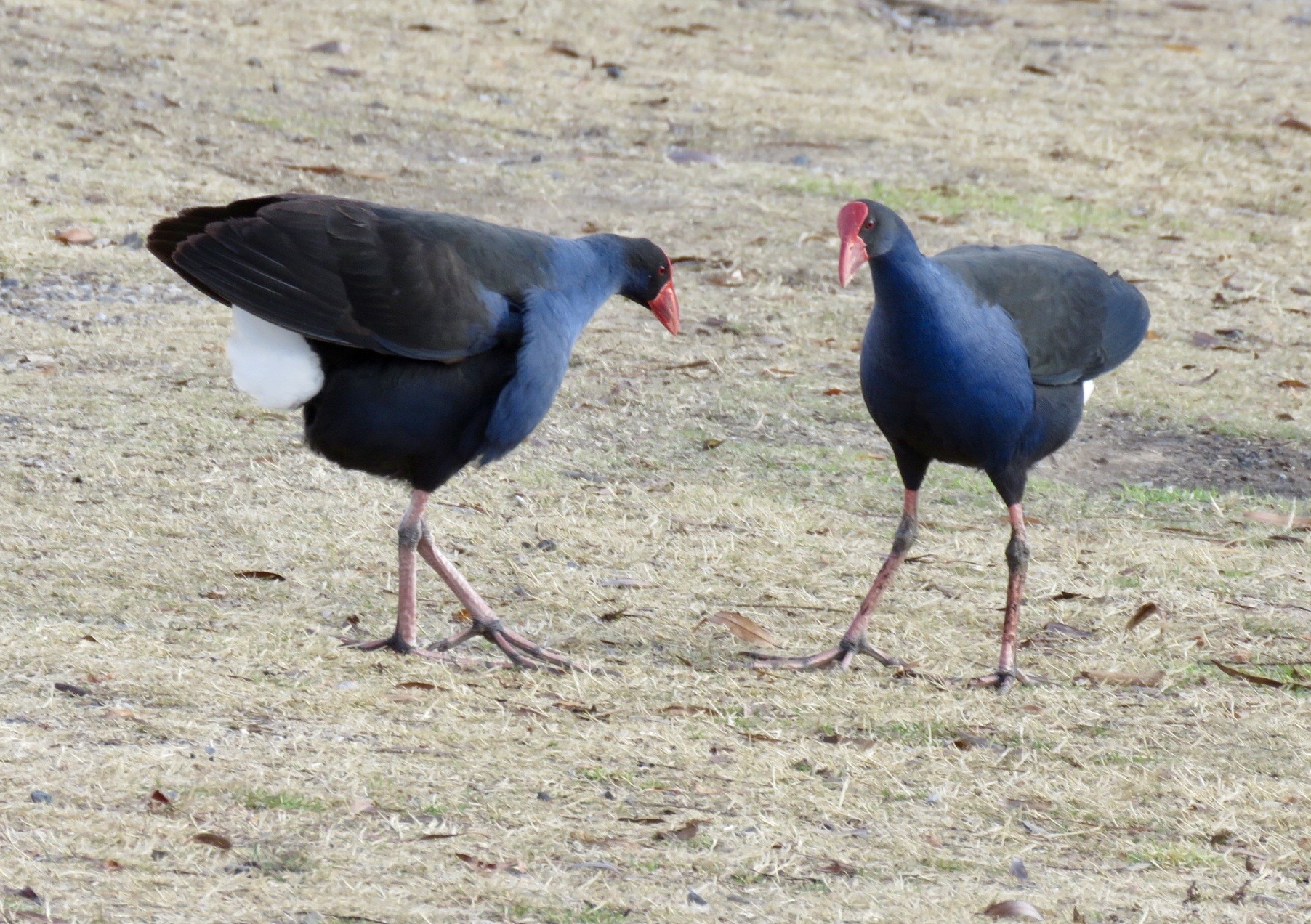
Lake Wallace was named after David Alfred Wallace, a local colliery manager who played a key role in establishing the water storage area from 1965 until the lake’s completion in 1978. Covering 125 hectares, the lake has a capacity of 4,300 megalitres and a maximum depth of around ten metres. Its combination of open water and marshland provides valuable habitat for a wide variety of birdlife.
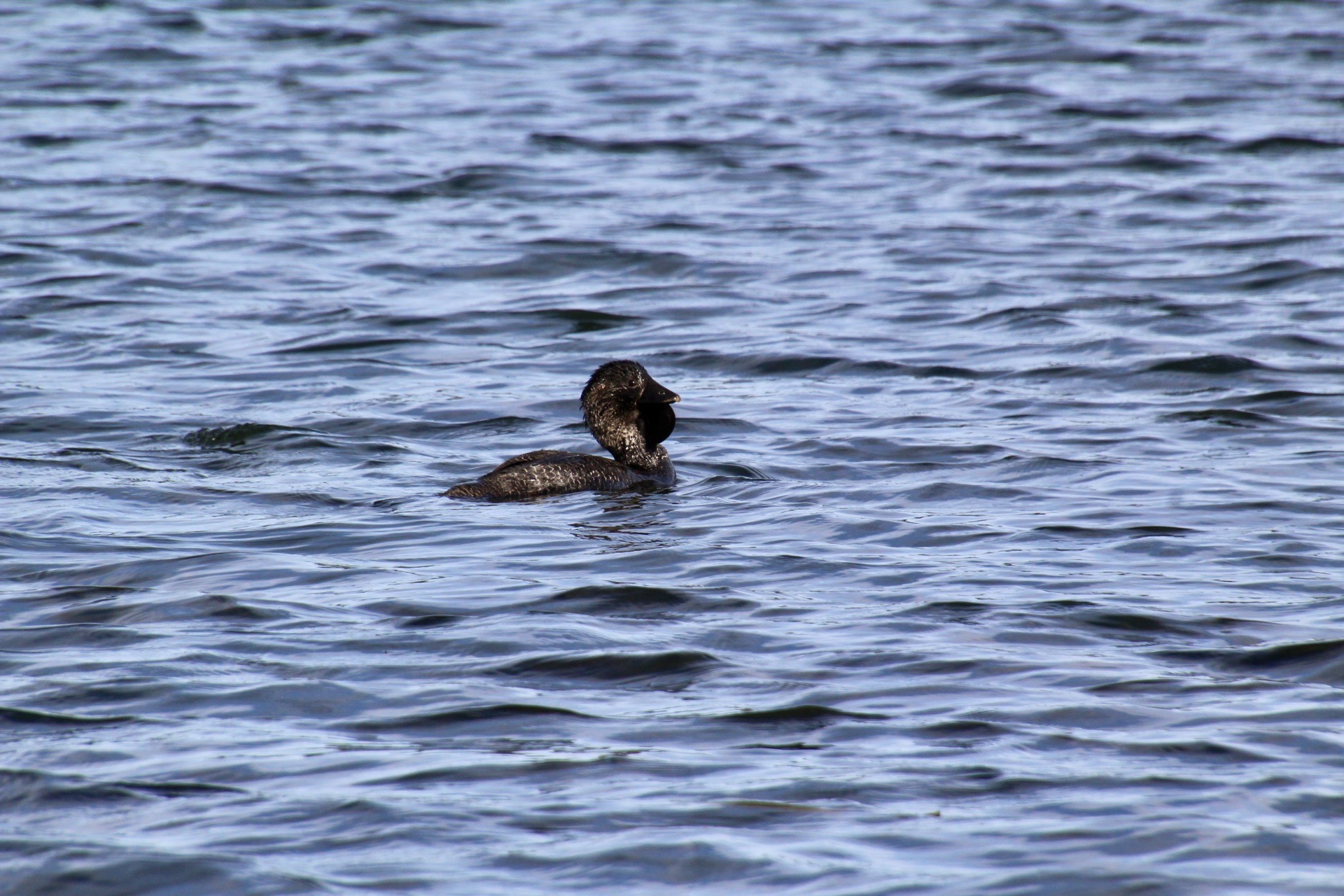
The area also has historical significance. Charles Darwin passed through the region in 1836 and observed his first platypus along the Cox’s River. A plaque at Lake Wallace commemorates his visit, and the Charles Darwin Memorial Garden is located at the park entrance. The importance of the platypus to Darwin’s thinking on evolution is also explored through interpretive material linked to the site.
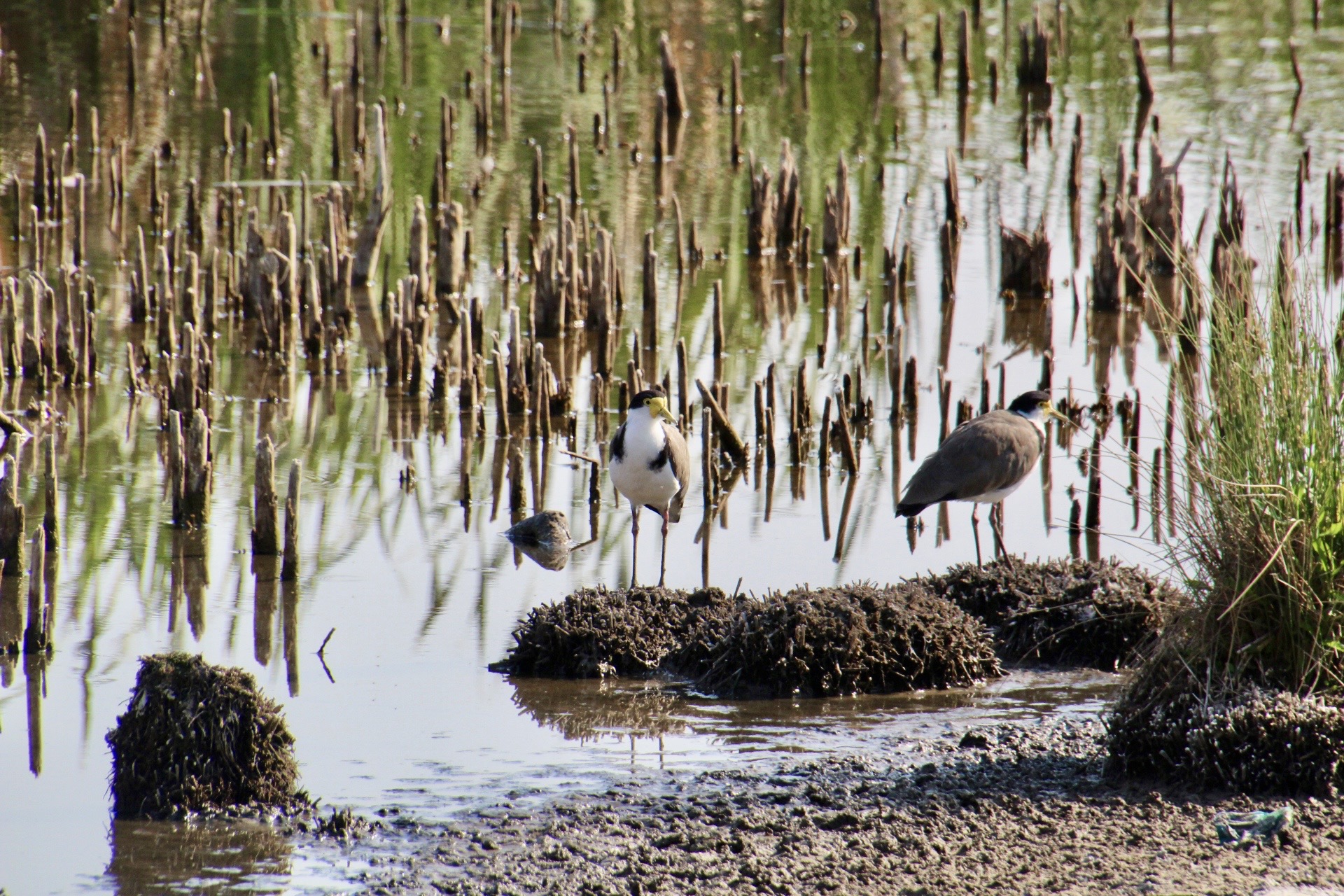
Over the years, I’ve visited Lake Wallace several times, and there is always birdlife to be seen along the foreshores or out on the water. In addition to the species pictured here, red‑browed finches, grey fantails, superb fairy‑wrens and red‑rumped parrots are frequently spotted around the lake, particularly in the marshy areas along the shoreline.
Have you had a wander around Lake Wallace?
Photo: Mural of Lake Wallace, Wallerawang




Leave a Reply