
Muloobinba/Newcastle is the second oldest and largest city in NSW after Sydney, located about 160 km north of Sydney at the mouth of the Hunter River. I’ve visited the city several times over the years, and in recent posts I shared photos of its architectural and landmark heritage. This final post moves indoors to Newcastle Museum, where five exhibits trace the city’s industrial, transport, manufacturing and domestic history.
The Newcastle Museum is in the historic Honeysuckle Point railway workshops. Permanent exhibitions include A Newcastle Story, early Aboriginal life, and Fire and Earth, which highlights the integral role of coal and steel in the city’s industrial heritage. There are many points of interest in the museum, but this post highlights a few permanent exhibits that reflect Newcastle’s industrial, transport and manufacturing heritage, beginning with coal.
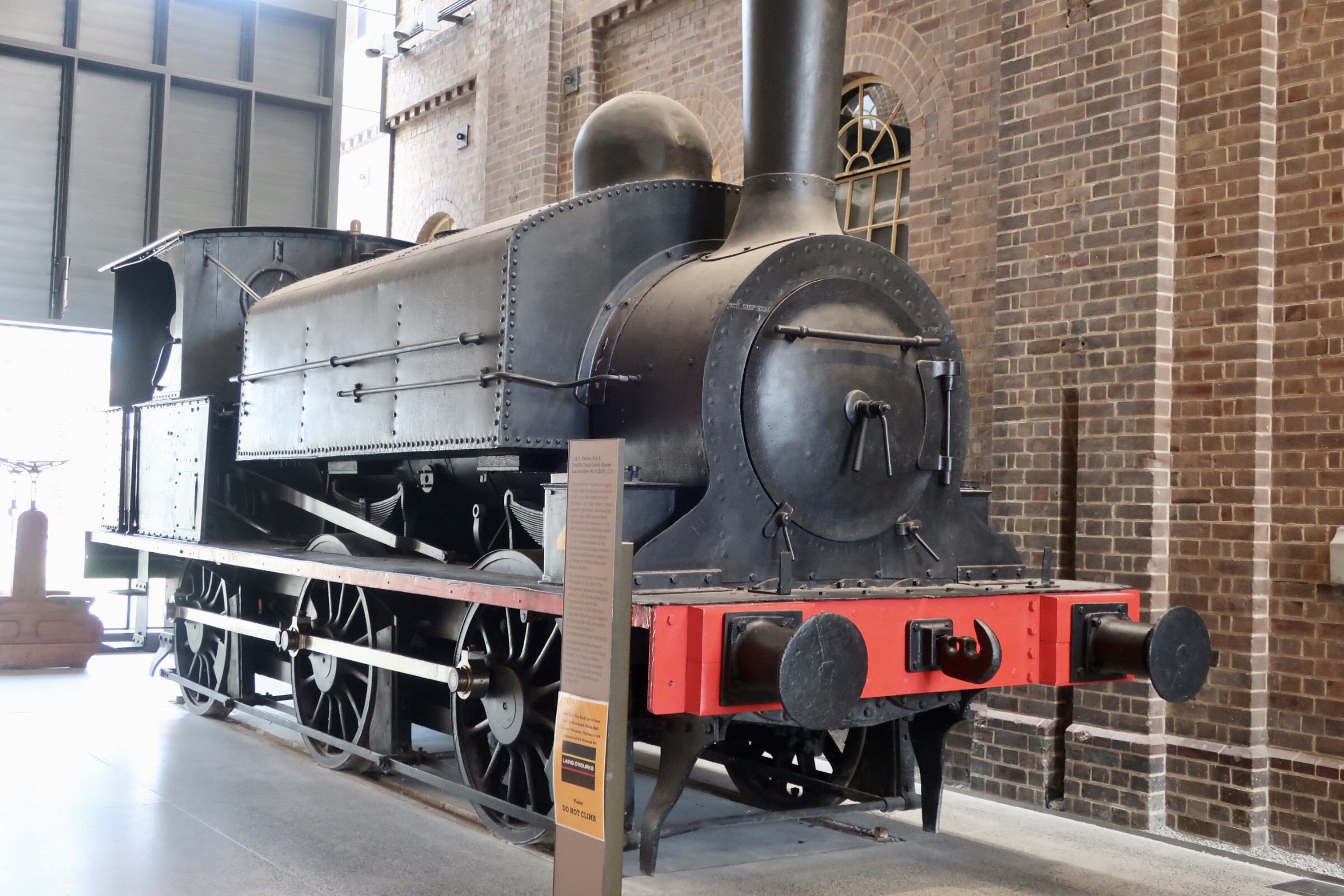
The museum site’s links with Newcastle’s industrial past are demonstrated by many exhibits, including the Buck Steam Engine. The 1870 J & A Brown Locomotive No. 4 (The Buck) is a tangible connection to the railway workshops at Honeysuckle Point, which are now home to the Newcastle Museum. The Great Northern Railway was officially opened on 30 March 1857, with the line running from Honeysuckle Point to East Maitland. The Buck was purchased by the NSW Railways in 1872 for use on the Newcastle coal trains, and it worked in this capacity for nearly 20 years before being condemned in 1890. It was purchased by a private contractor in 1891 (J & A Brown) and it continued hauling coal wagons through to the 1960s. The restoration of this engine, noted for its historical interest, began in 2004, and it is on permanent display in the museum. Another important form of transportation was the car.
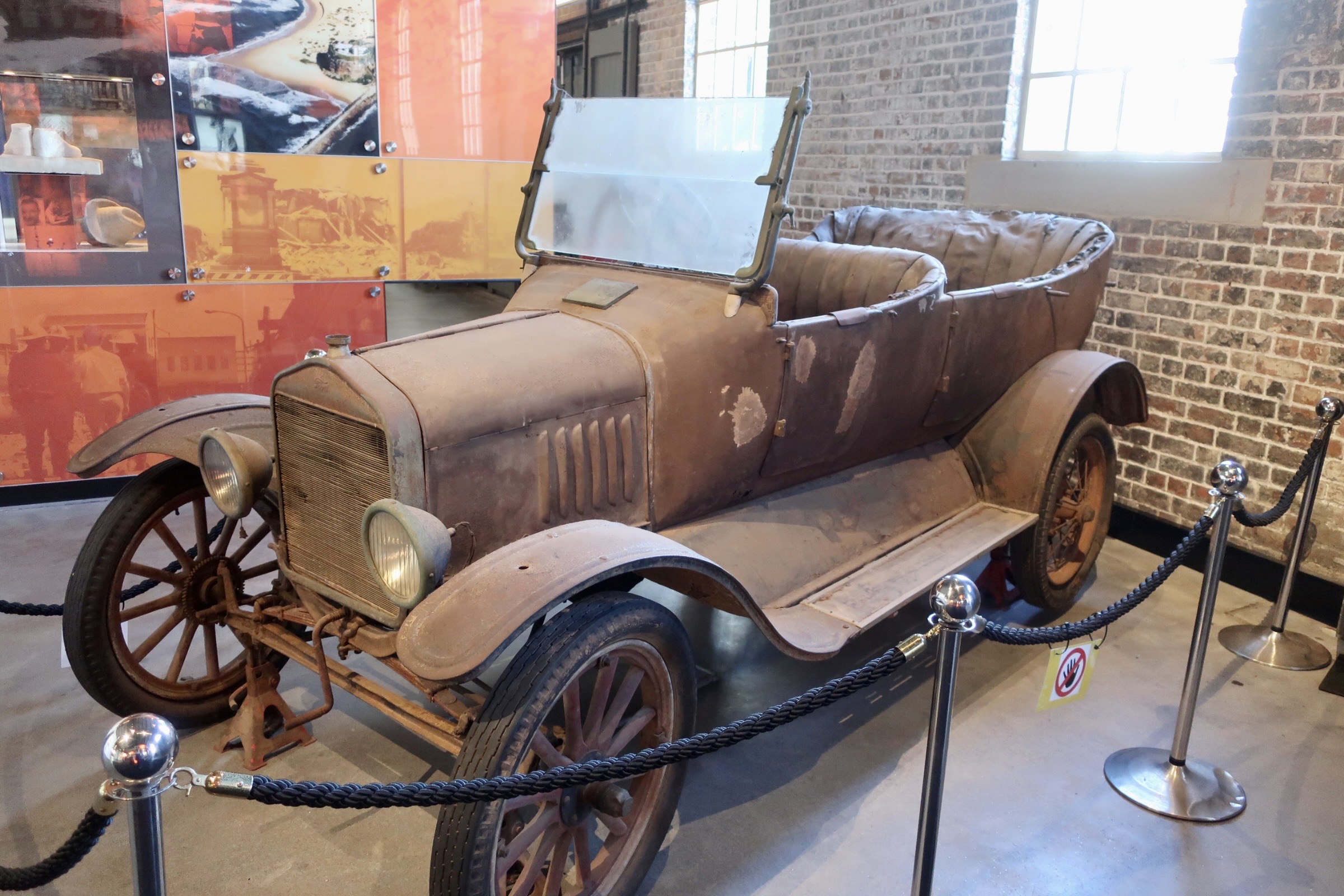
The chassis of this Model T Ford was made in Canada in 1923, then shipped to Australia and assembled locally. According to the collection details, the Ford was a result of the 1920s British Empire bonds and Australian trade policies. Most cars on the road at the time were imported as completely knocked down (CKD) chassis, which were then assembled by coach builders including Holdens and TJ Richards. This car was ‘built’ by Steenbhom Motor Bodies of Alexandria, NSW. It is in almost completely original condition, including horsehair stuffing, original paint and a wooden body. There are detailed histories of the car and its owner available here. Public transport in the city was also important, and this included the tram network.
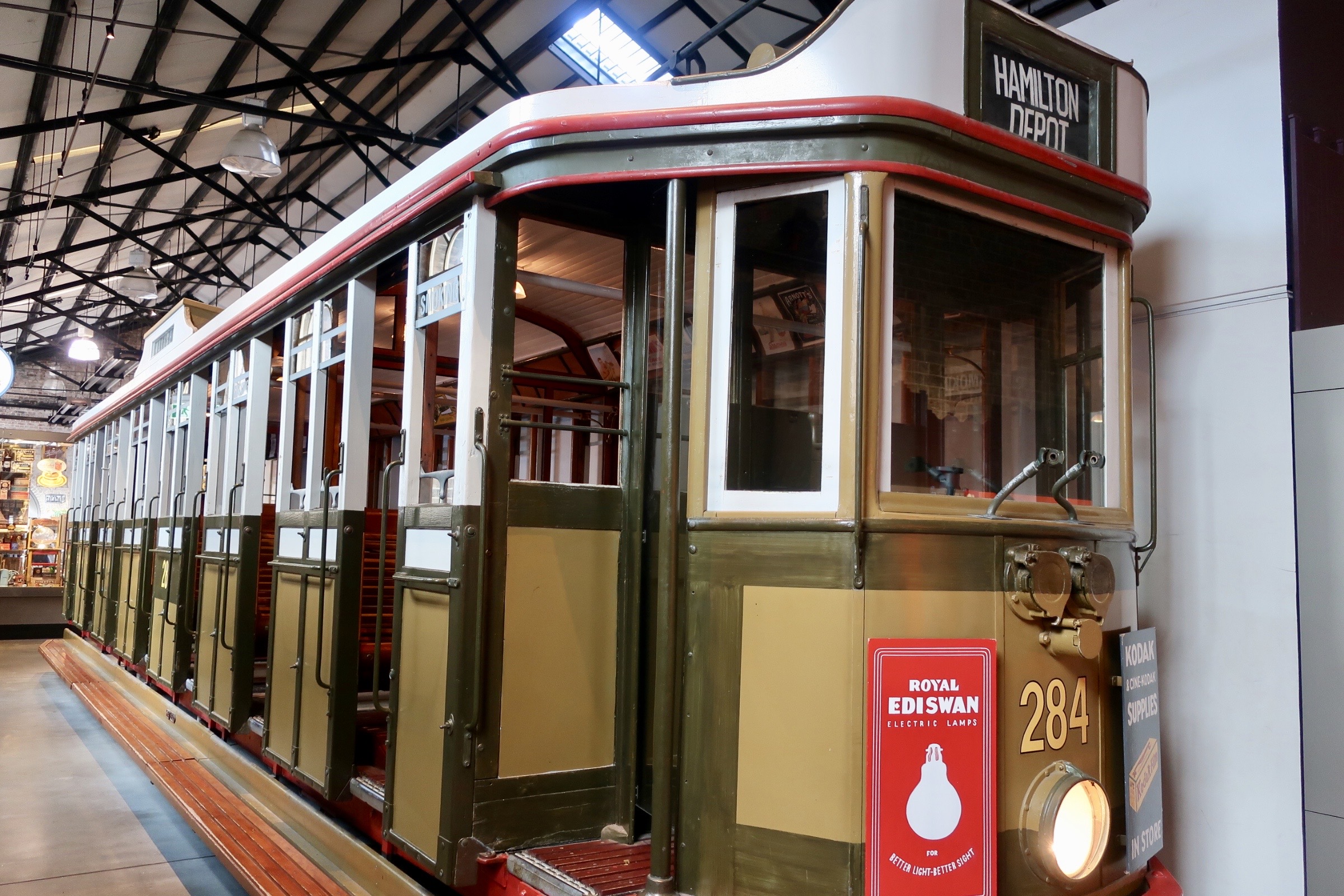
Newcastle had an extensive public tram system, which operated from 1887 until June 1950. From February 2019, the Newcastle Light Rail has been in operation, but the museum reflects the earlier tram era through Tram No. 284. The historic LP class tram represents the city’s former electric tram network, which once operated from Hamilton. This tram is the sole surviving vehicle from the electric fleet that ran from the 1920s, and it had previously been used in Sydney. The depot in Hamilton linked Newcastle suburbs including Wallsend and Lambton. There are authentic period advertisements inside the tram, and these can be viewed in this video from Newcastle Museum. The next item is a direct link to the city’s historic title as Steel City.
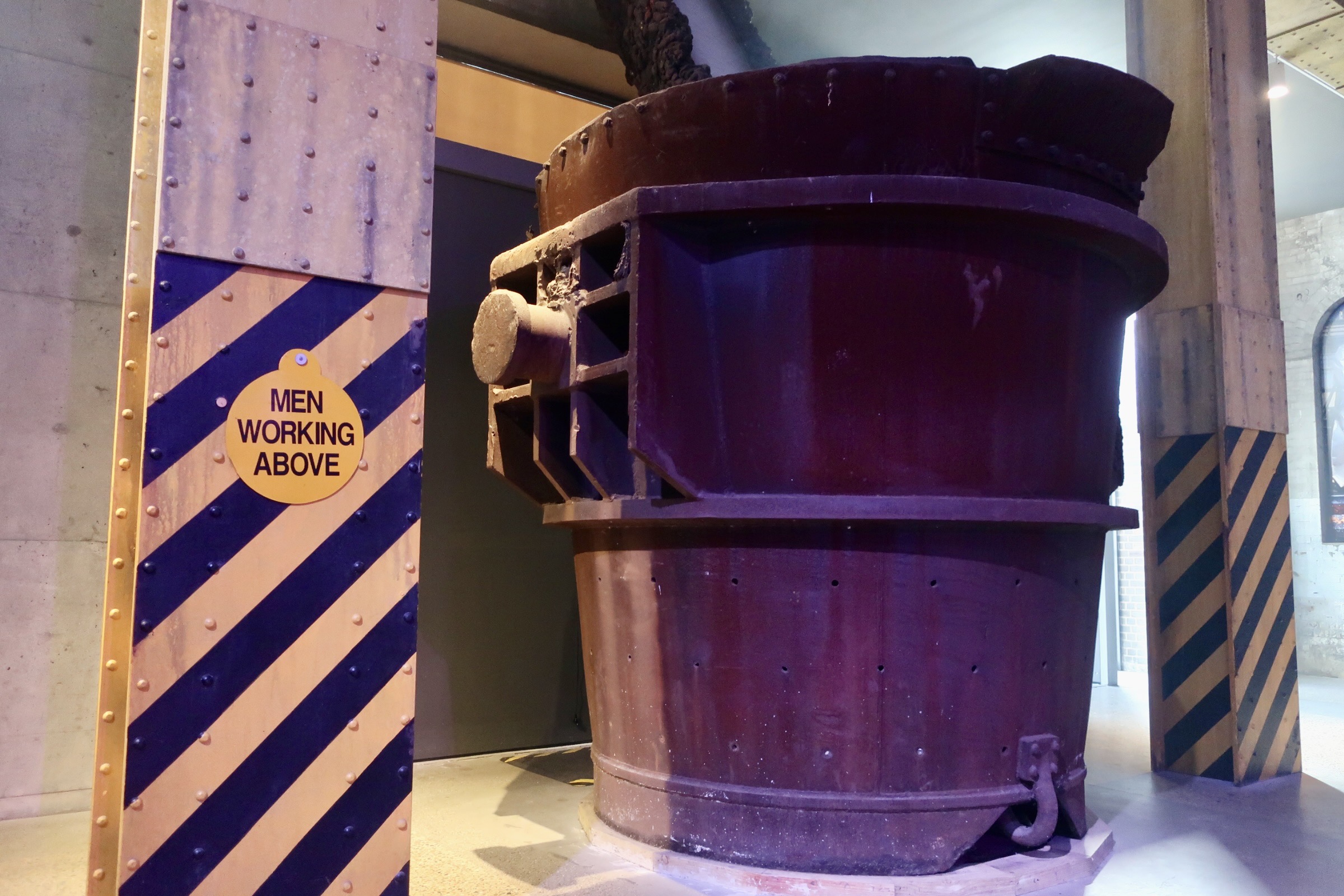
BHP was a major presence and employer in Newcastle from 1915 to 1999. Weighing approximately 60 tonnes, this ladle was used at the Newcastle BHP Steelworks’ Steelmaking Department to transfer molten iron. This is one of many BHP items held in the museum collection, and it plays a pivotal role in the Fire and Earth media presentation. The presentation offers a vivid simulated experience of the steelmaking process, and it can be viewed here. This exhibition brings together coal and BHP: two industries that helped define the development of Newcastle. Other collection items include safety equipment and clothing, ingot moulds, and a time clock for the workers. The final photo links the industrial and domestic spheres.
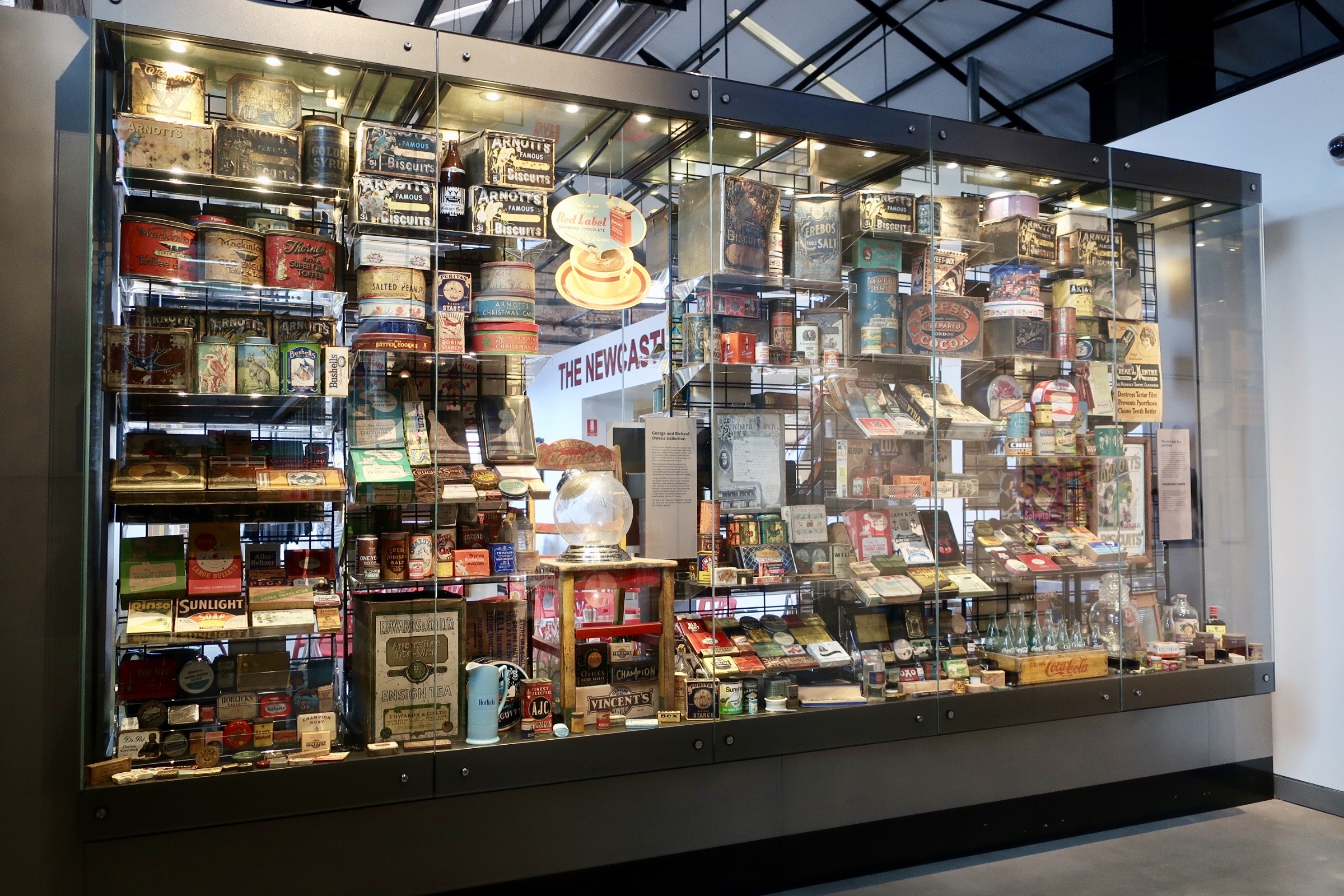
On the domestic front, it is difficult to ignore the wide array of tins and grocery items on display. Some brand names are still familiar, including Arnott’s biscuits. William Arnott was a baker and pastry cook who emigrated from Scotland in 1848. He had a bakery in Morpeth and relocated to Newcastle in 1865 following a series of floods. The business continued to expand, with a factory built in Newcastle in 1875 and more than 80 varieties of biscuits distributed across the colony by the 1880s. The original bakehouse in Morpeth is owned by a descendant of William Arnott and offers heritage accommodation. Arnott’s biscuits remain the most popular Australian biscuits, including Scotch Fingers, Ginger Nuts and Tim Tams.
Together, these highlights show how closely Newcastle’s industrial, transport, manufacturing and domestic histories are connected. The Newcastle Museum is open from Tuesday to Sunday, 10 am to 5 pm, and general admission is free. You can find out more on the Newcastle Museum website, including upcoming exhibitions.
Photo: Model coal ship and train display, Newcastle Museum







Leave a comment